






Interior Architectural Salvage
Interior architectural salvage brings historic structure and grand proportion into domestic rooms through genuine period doors and carved columns.
Interior Architectural Salvage
Interior architectural salvage comprises structural elements rescued from period buildings, spanning the eighteenth and nineteenth centuries. These pieces carry the weight and presence of earlier craftsmanship into modern spaces.
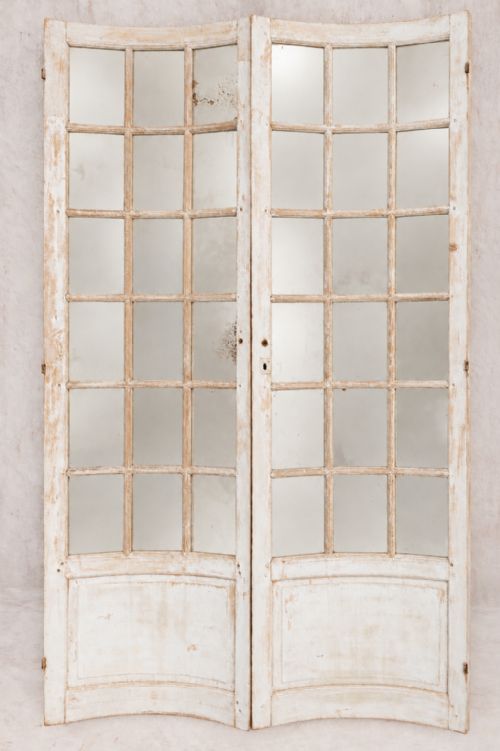
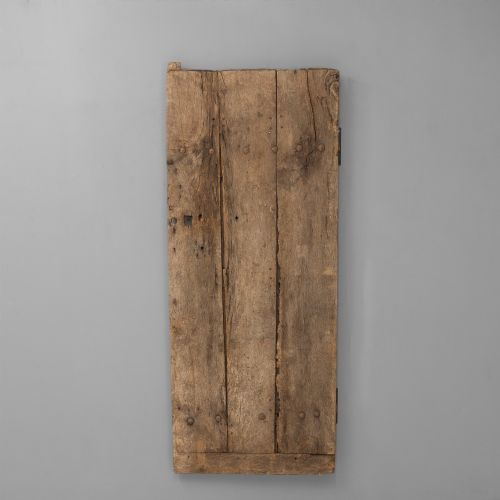
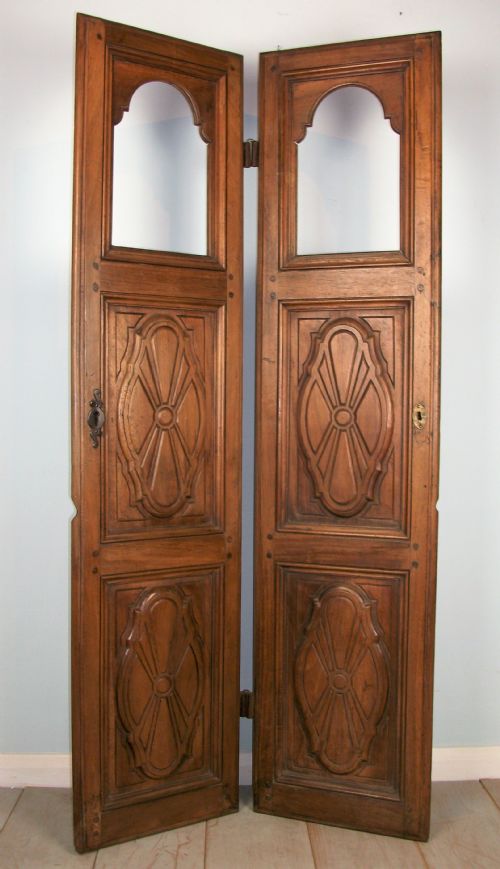
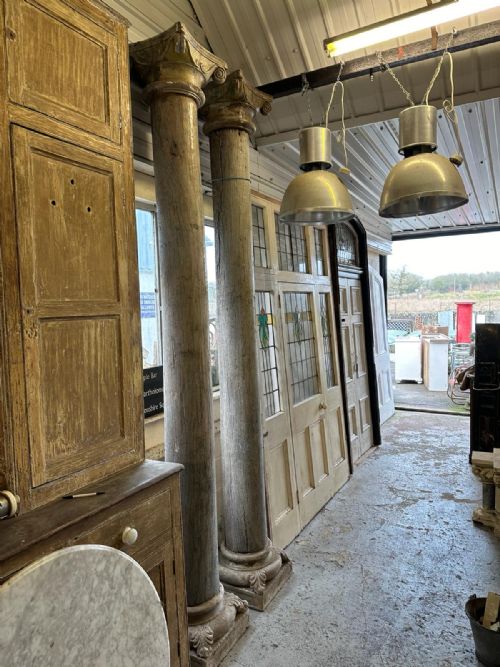
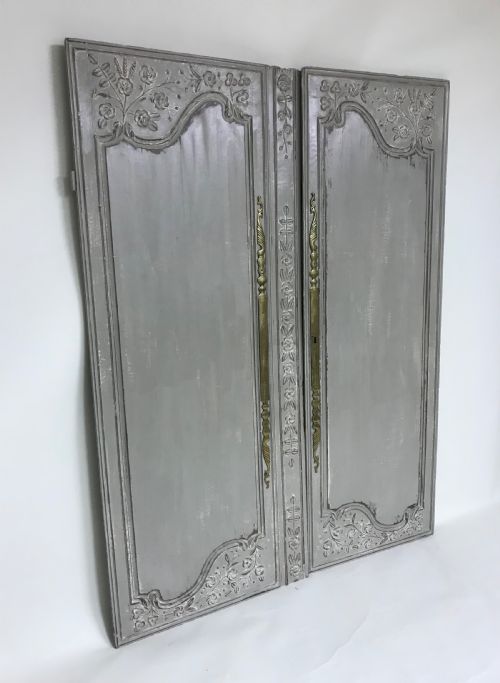
The selection centres on timber doors and carved columns. Buyers frequently encounter nineteenth century wooden doors alongside classical columns bearing stone bases and carved capitals.
Origins stretch across Britain, France, and Italy, offering styles from rustic country to neoclassical and Victorian neo-Renaissance. Each object reflects the distinct architectural vocabulary of its original setting.
Materials and construction
Makers shaped these fixtures from solid timbers including oak, walnut, pine, and softwood. Decorative elements also incorporate unusual substances like leathermaché to render lightweight architectural reliefs of putti.
Structural components combine carved stone bases with hardwood shafts and ionic capitals. Surface finishes range from original paint and wax to bare wood awaiting further treatment.
Interior Architectural Salvage Retail Price Guide 2026
Typical asking prices for interior architectural salvage among the pieces listed under this phrase on Sellingantiques today, from the lower quarter to the upper quarter. They describe what is for sale here now, not the wider market.
Putti moulded from leathermaché hang ready to peer down from eighteenth-century walls, proving that even angels appreciate a lightweight composite.
Distinguishing quality
Quality rests in the depth of hand-carved detail and the integrity of the original material. Elements boasting finely articulated capitals or substantial panelled timber outshine simpler utility pieces.
The survival of original surfaces, whether aged paint or polished walnut, dictates the visual authority of the piece. Matching pairs demonstrate greater compositional balance than single items.
The Interior Architectural Salvage Glossary
- Capital
- The uppermost member of a column, serving to divide the shaft from the structural load above. Fine examples feature hand-carved Ionic volutes.
- Leathermaché
- A moulded composite material utilised for decorative architectural reliefs. It allowed workshops to create intricate figures like putti with durable flexibility.
- Panelled door
- A rigid wooden door constructed with a framed perimeter enclosing thinner internal wooden tablets. These provide both stability and architectural rhythm.
- Portico
- A porch structure leading to the entrance of a building, supported by columns. Salvaged elements from these structures often serve as freestanding decorative pillars.
Interior Architectural Salvage: Frequently Asked Questions
How are architectural columns used indoors?
Columns anchor open-plan spaces, frame wide doorways, or stand as decorative sculptural objects against plain walls. They introduce vertical proportion and historical character to modern rooms.
Pairs of columns can also be mounted symmetrically to define a transition between two living areas without blocking light or air.
Can antique doors still function as room dividers?
Many salvaged doors retain their structural integrity and can be rehung on traditional hinges or modern sliding tracks. They offer a substantial alternative to standard modern internal doors.
Buyers often adapt wider doors or pairs to serve as sliding partitions between kitchens and dining spaces.
How do I care for painted or waxed timber salvage?
Painted surfaces benefit from gentle dusting and occasional cleaning with a dry microfibre cloth to protect fragile historical layers. Waxed wooden doors require periodic application of natural beeswax to nourish the grain.
Avoid harsh chemical cleaners that can strip original patination or soften aged finishes.
How do I identify a neoclassical column?
Neoclassical columns draw inspiration from ancient Greek and Roman architecture, displaying formal proportions and carved capitals such as the Ionic scroll. They often appear in stone or carved hardwood.
These columns reject excessive Victorian ornamentation in favour of clean architectural lines and classical symmetry.