
Inlaid Wooden Storage Chest
An inlaid wooden storage chest is a functional box or cabinet decorated with contrasting timbers, offering both practical utility and decorative craftsmanship.
Inlaid Wooden Storage Chest
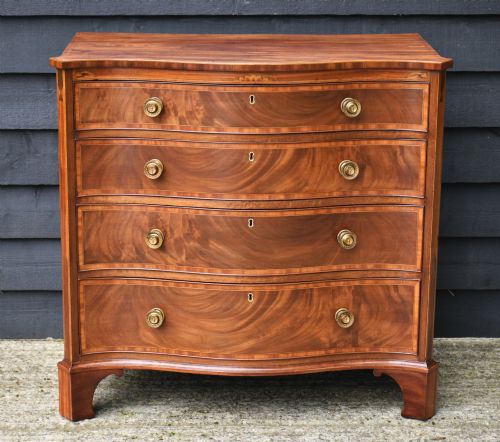
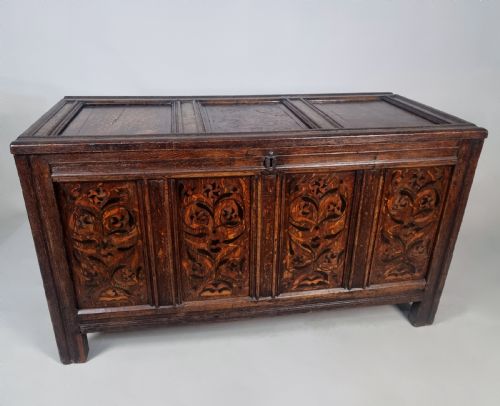
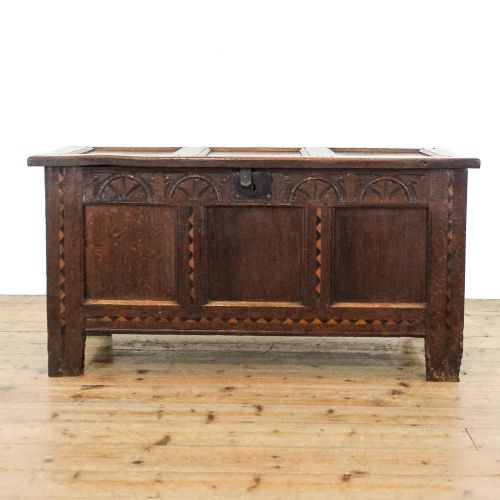
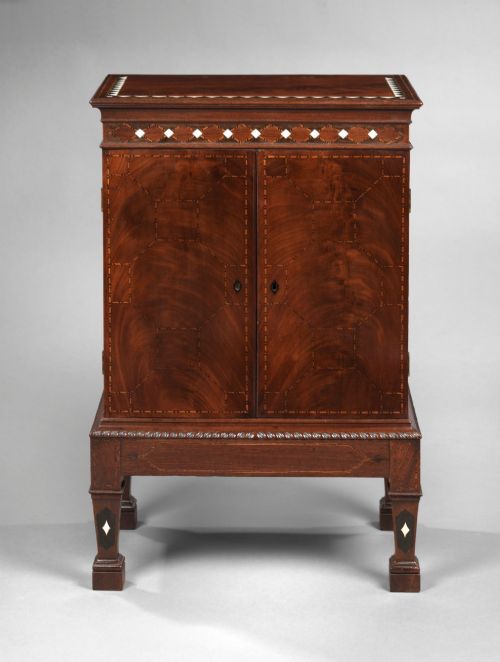
When you search for an inlaid wooden storage chest, you encounter a wide variety of furniture forms designed to hold valuables, documents, linens or household items. These pieces span centuries of cabinet-making, from early oak coffers to refined Georgian chests of drawers and tea caddies.
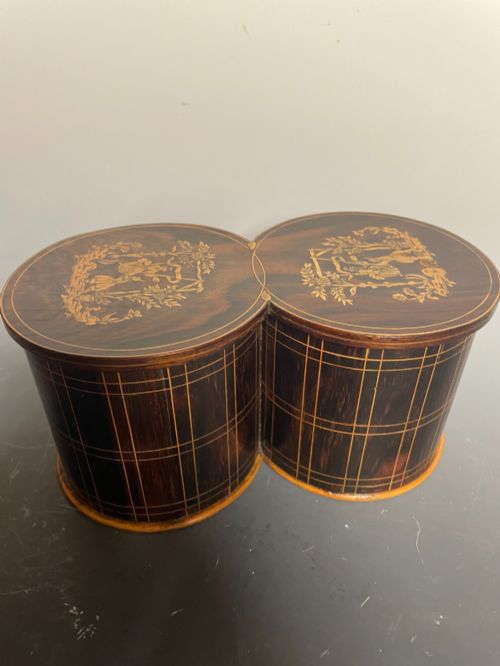
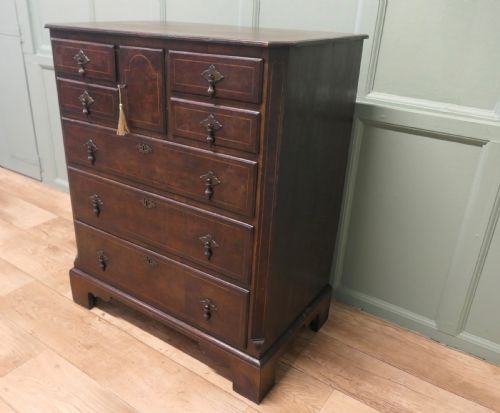
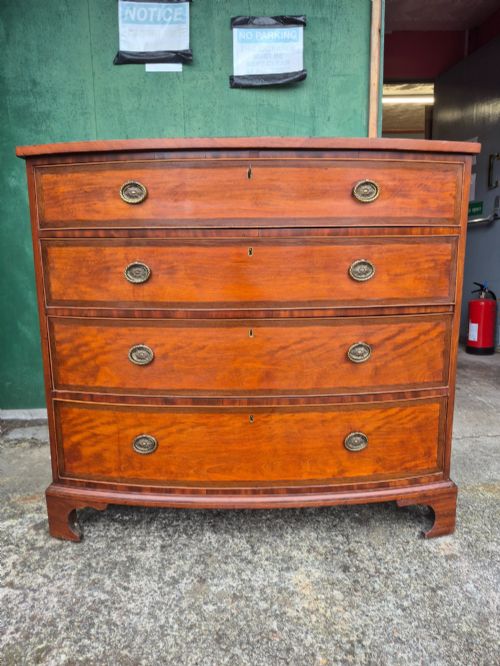
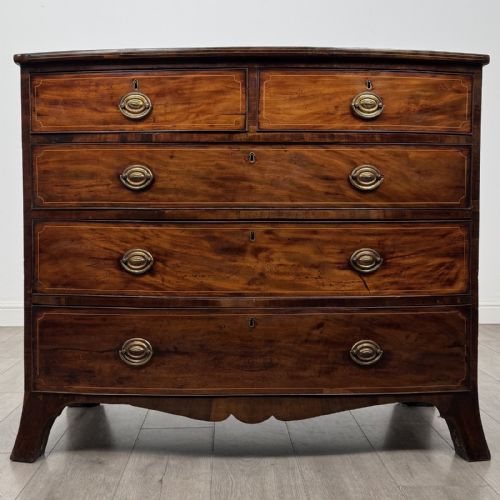
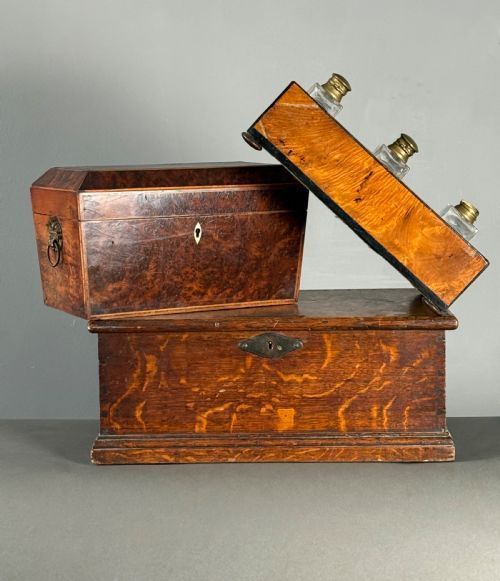
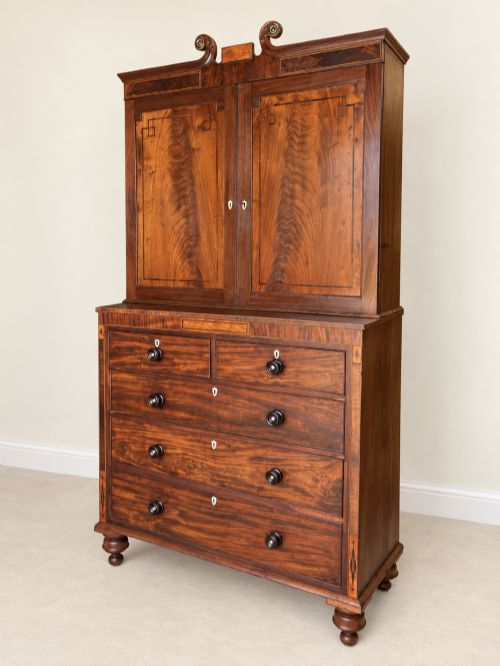
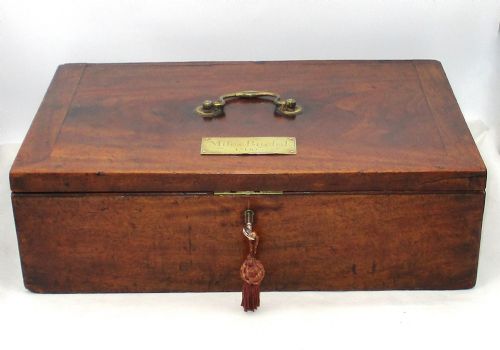
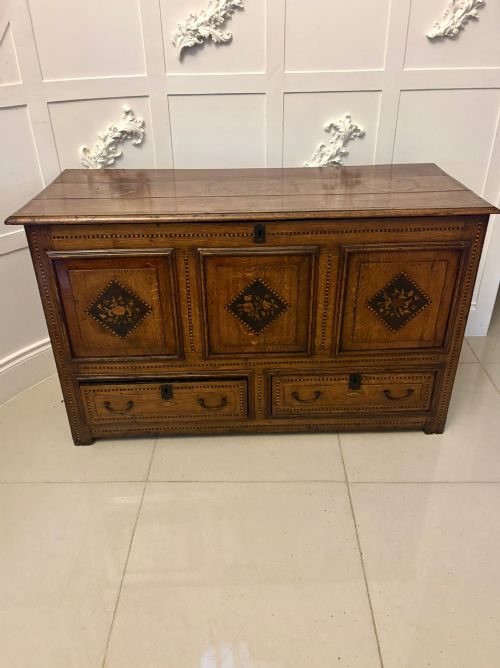
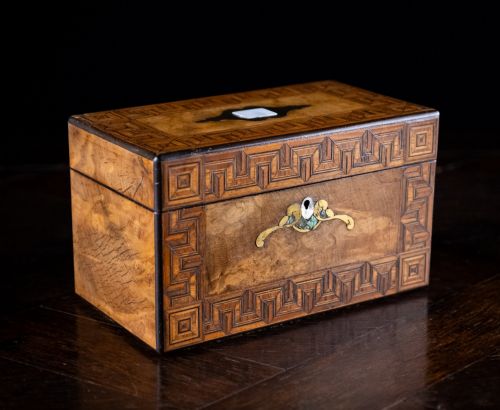
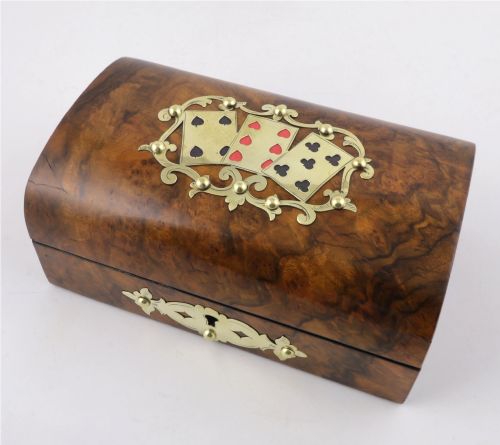
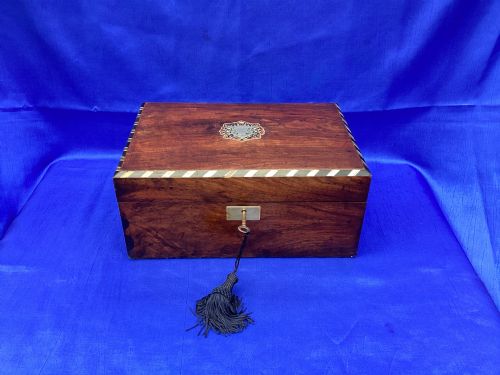
The versions most frequently met on this page include mahogany chests of drawers, oak mule chests, and smaller tabletop boxes such as tea caddies and document boxes. Each form serves a specific storage purpose while displaying the decorative woodworking characteristic of its period.
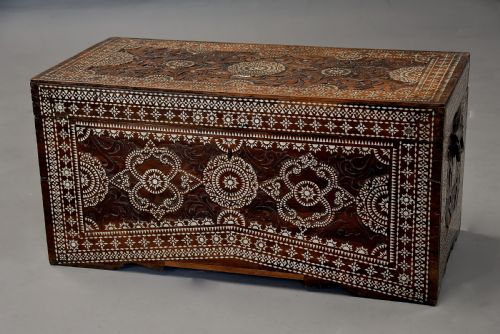
The selection ranges across multiple eras, encompassing 17th-century pieces with marquetry inlay, Georgian mahogany designs, Victorian items and early 20th-century Middle Eastern trunks. This diversity reflects changing domestic needs and decorative tastes over time.
How they were made
Cabinet-makers constructed these pieces primarily using solid timbers and veneers such as mahogany, oak, walnut, satinwood and fruitwood. These woods provided a stable structural base and a varied canvas for decorative surface work.
Decoration relied on inlay techniques incorporating boxwood, ebony, brass, bone and mother of pearl. Artisans cut contrasting materials to fit precise recesses, creating geometric patterns, floral marquetry and parquetry designs across the surface.
Materials recorded across the inventory include mahogany, oak, walnut, satinwood, boxwood, brass, iron, bone and mother of pearl.
What varies in quality
The standard of an inlaid wooden storage chest depends heavily on the precision of the joinery and the execution of the decorative inlay. Crisp, tightly fitted geometric lines or intricate floral marquetry indicate skilled workshop production.
Choice of timber grain and the preservation of original hardware, locks and surfaces contribute significantly to the character of each piece. Secondary woods used in drawer linings and backboards also reflect the overall integrity of the construction.
The Inlaid Wooden Storage Chest Glossary
- Marquetry
- A technique where pieces of veneer are assembled to form decorative pictures or patterns on a wooden surface. This method allows artisans to utilise multiple contrasting timbers.
- Parquetry
- A geometric mosaic of wood pieces used for surface decoration on floors and furniture. It creates repeating patterns across panels and lids.
- Mule chest
- A traditional storage chest featuring one or more drawers at the base beneath the main compartment. This hybrid form bridges the coffer and the chest of drawers.
- Tea caddy
- A small lidded box designed specifically for storing loose tea leaves securely. These containers often include internal compartments and lockable lids.
- Linen press
- A tall cabinet featuring upper shelving enclosed by doors and lower drawers for textile storage. They frequently display figured mahogany veneers and inlaid details.
Inlaid Wooden Storage Chest: Frequently Asked Questions
What is an inlaid wooden storage chest?
An inlaid wooden storage chest is a container or cabinet made from timbers such as mahogany, oak or walnut, decorated with contrasting woods or materials like brass and mother of pearl.
These pieces range from large trunks and mule chests to smaller document boxes and tea caddies, designed to store household possessions securely.
How were these storage chests used?
Historically, these items served practical storage functions in domestic interiors, holding valuables, legal papers, linens, clothing or tea.
Smaller boxes remained on tables or desks, while larger chests and cabinets stood in bedrooms, hallways or living spaces to organise household goods.
How do I care for an antique wooden chest?
Living with these pieces involves keeping them away from direct heat sources and strong sunlight, which can dry out timber and crack veneers.
Regular dusting with a dry, soft cloth helps maintain the finish without the need for heavy modern polishes.
How can I tell the period of a chest?
Dating a piece relies on examining the timber species, construction methods, hardware and the style of the inlay work.
Georgian and Victorian pieces often show specific aesthetic traits, such as flame mahogany veneers or satinwood banding, which help place them in context.