



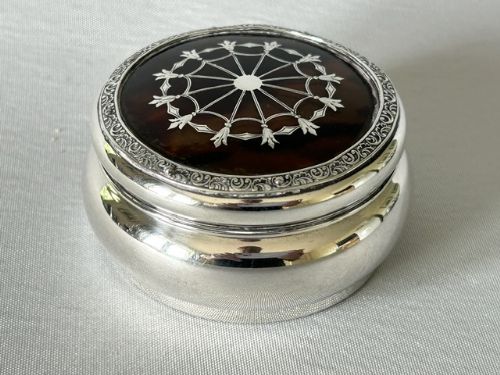

Inlaid Vanity Box
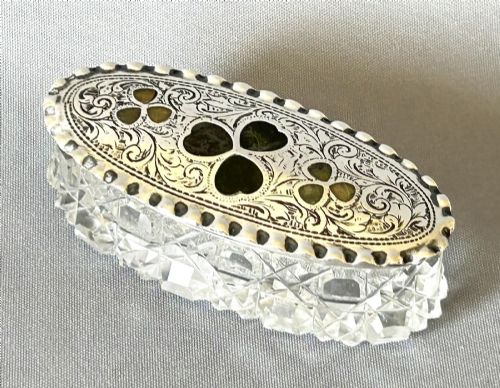
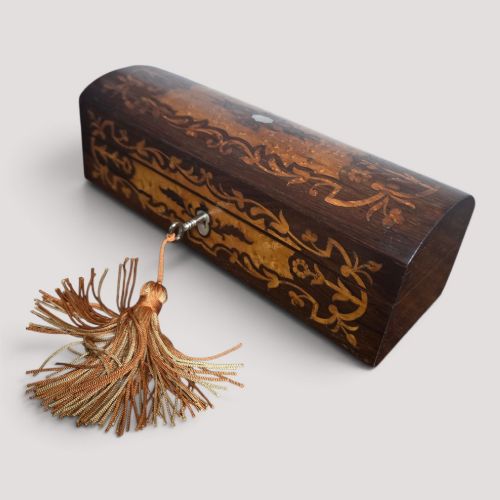
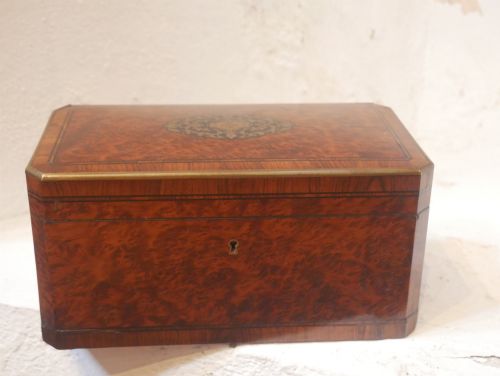
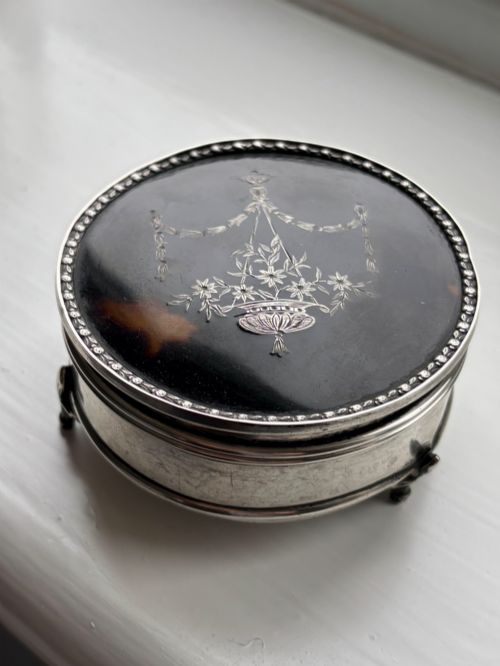
An inlaid vanity box is a timber case decorated with contrasting woods, brass or pearl, designed to hold cosmetics, trinkets and travelling accessories.
Inlaid Vanity Box
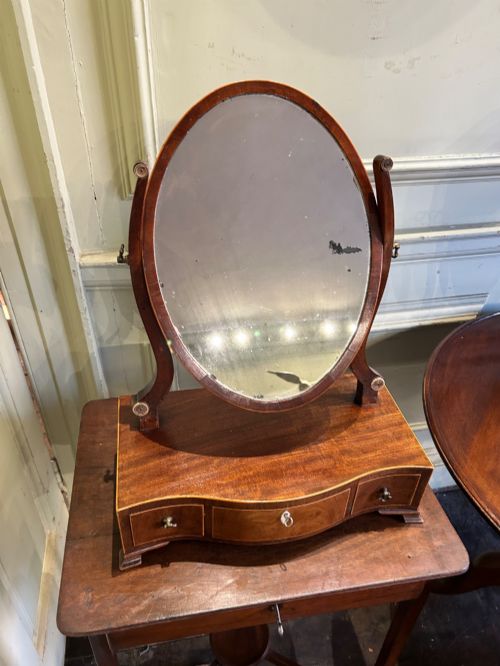
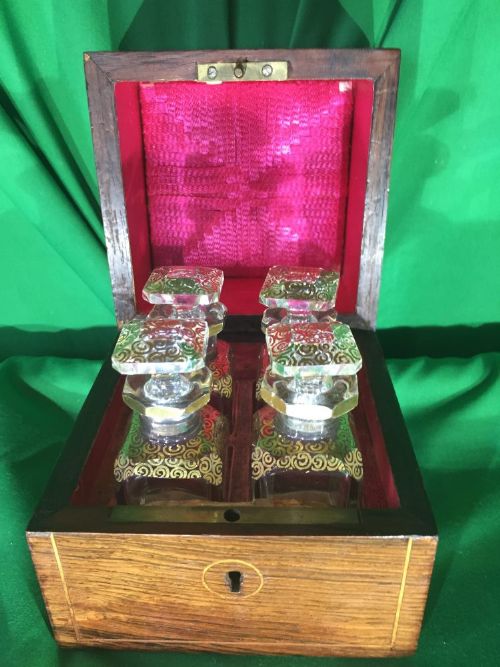
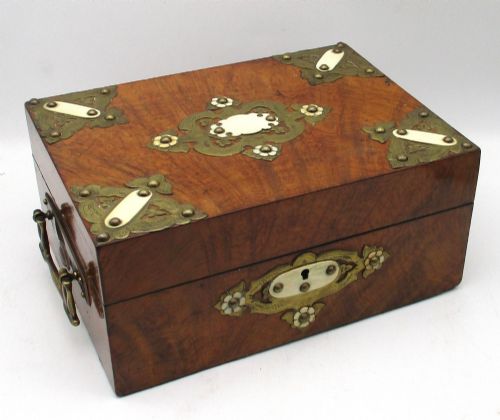
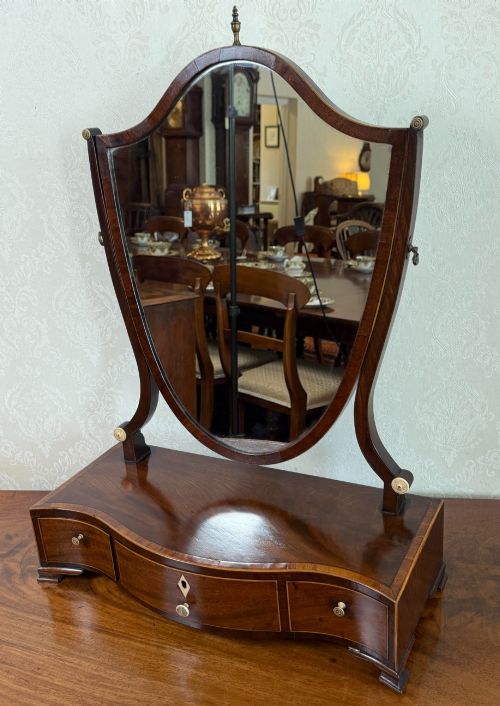
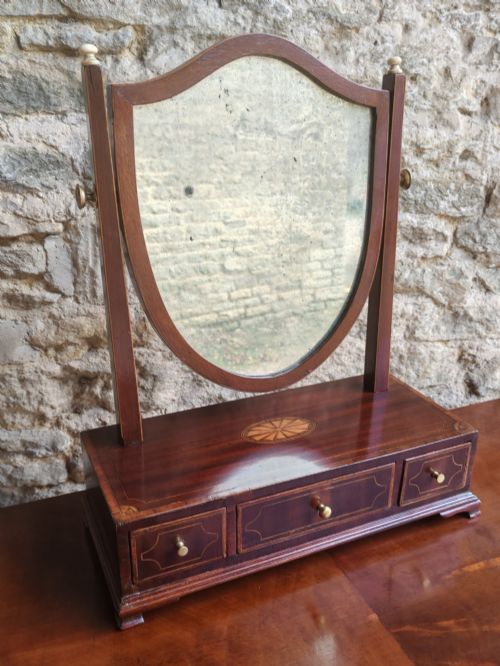
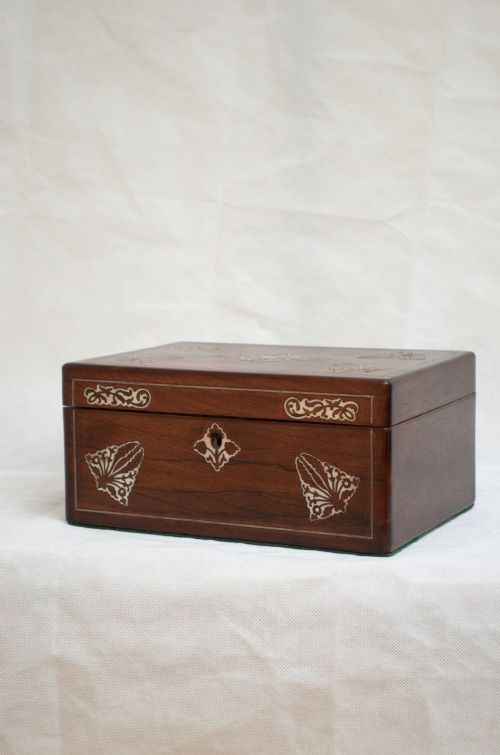
The version most commonly met on this page is the Victorian rosewood or walnut box, often featuring mother-of-pearl or brass inlay, alongside fitted interiors with trays and compartments. Alongside vanity boxes, related forms such as dressing mirrors, toilet mirrors and jewellery caskets appear frequently in the selection.
How they were made
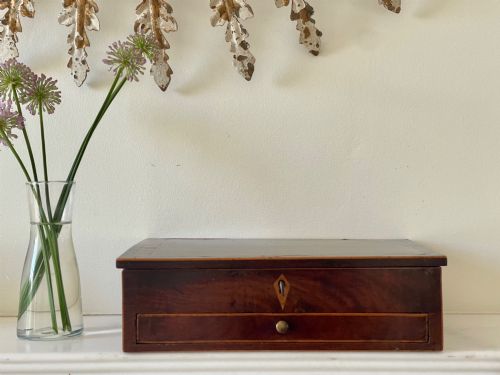
Cabinet makers built these boxes using dense timbers like rosewood, mahogany, walnut and coromandel as a foundational carcass. Surfaces were then embellished using techniques such as marquetry, parquetry and line inlay with boxwood, brass and mother-of-pearl.
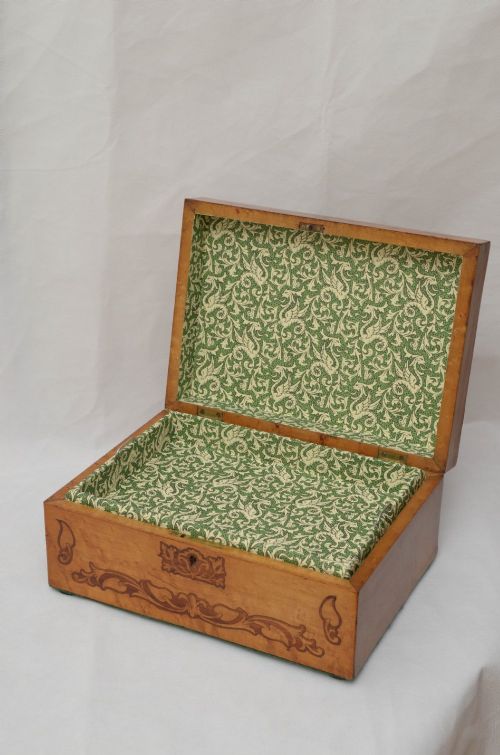
Interiors were lined with velvet, silk or leather, often incorporating fitted trays, glass scent bottles and compartments for razors, cosmetics and jewellery. Metal hardware, including brass stringing, escutcheons and lock mechanisms, integrated structural reinforcement with decorative detail.
Inlaid Vanity Box Retail Price Guide 2026
Typical asking prices for inlaid vanity box among the pieces listed under this phrase on Sellingantiques today, from the lower quarter to the upper quarter. They describe what is for sale here now, not the wider market.
What varies in quality
The distinction between ordinary and exceptional examples lies in the precision of the cabinet work and the fidelity of the timber selection. Flame mahogany, highly figured burr walnut and dense coromandel command greater attention than plain or secondary woods.
Complexity of the interior fittings and the completeness of original components, such as matching glass scent bottles and working locks with keys, elevate an example. The crispness of the inlay and the harmony of the timber grain across the lid and sides indicate the maker's skill.
Tahan·Ollivant and Botsford·Asprey and Co·H Mitchell
The Inlaid Vanity Box Glossary
- Inlay
- A technique where pieces of contrasting material like brass, mother-of-pearl or lighter wood are set flush into recesses cut into the wood surface. This creates decorative geometric or floral patterns across the lid and sides.
- Marquetry
- The art of forming decorative veneers into pictorial or symmetrical designs using various coloured woods and shells. It differs from simple inlay by covering the entire surface of the box.
- Escutcheon
- A small plate of brass or bone surrounding the keyhole of a box. It protects the surrounding timber from wear and often acts as a decorative accent.
- Carcass
- The main structural body of a box before veneers, linings and hardware are applied. The quality of this internal framework determines the long-term stability of the piece.
- Coromandel
- A heavy, durable timber imported from Asia, prized for its dark brown colour and dramatic black grain stripes. It was frequently used for high-end Victorian vanity and dressing boxes.
Inlaid Vanity Box: Frequently Asked Questions
What is an inlaid vanity box used for?
An inlaid vanity box served as a portable container for personal grooming items, cosmetics, jewellery and writing tools during the Georgian, Victorian and Edwardian eras. Ladies and gentlemen utilised them both at home on dressing tables and while travelling.
Inside, compartments held scent bottles, brushes, razors and small trinkets, keeping valuable personal items secure and organised. Today, collectors use them to store modern jewellery or display them as decorative antique objects.
How do I date an antique vanity box?
Dating relies on combining the timber species, the style of inlay and the internal hardware fittings. Georgian boxes tend to feature solid mahogany with simple brass stringing, whereas Victorian examples frequently showcase exotic woods like rosewood and coromandel with mother-of-pearl.
Makers' marks stamped on locks or hinges, along with paper trade labels inside the lid, provide specific attribution. The presence of fitted glass bottles and velvet trays also points towards distinct mid-nineteenth to early twentieth century manufacturing trends.
What is the difference between a vanity box and a jewellery box?
A vanity box, often termed a dressing box or travelling case, traditionally contained a comprehensive set of fitted compartments for grooming items such as glass scent bottles, jars and mirrors alongside jewellery storage. They were heavier items designed for comprehensive personal care.
A jewellery box typically focused purely on ring rolls, open compartments and shallow trays meant specifically for precious gems and ornaments. However, Victorian makers frequently combined these functions into fitted dressing and jewellery boxes.
How do I care for a wooden inlaid box?
Keep wooden boxes away from direct sunlight and dramatic changes in temperature or humidity to prevent the timber from warping and the veneers from lifting. Consistent indoor conditions protect both the external polish and the internal fabric linings.
Apply a microcrystalline wax sparingly to nourish the wood surface and maintain the lustre of the brass or mother-of-pearl inlay. Avoid using modern chemical polishes or soaking the interior fabrics.