
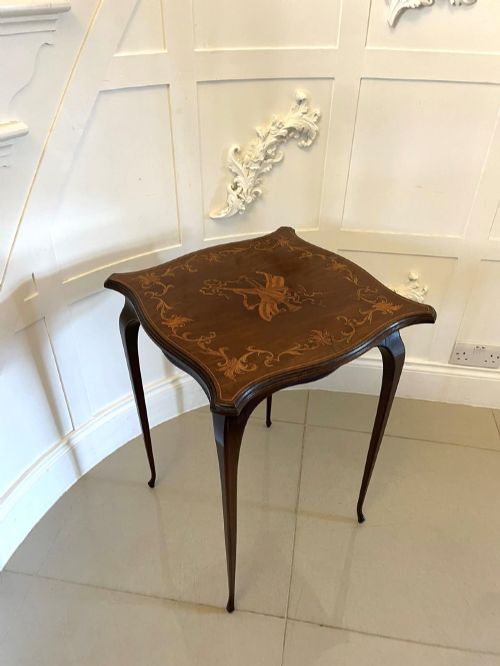
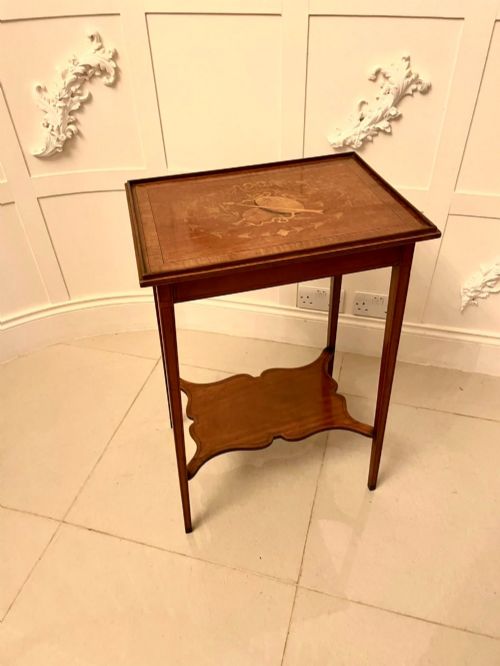
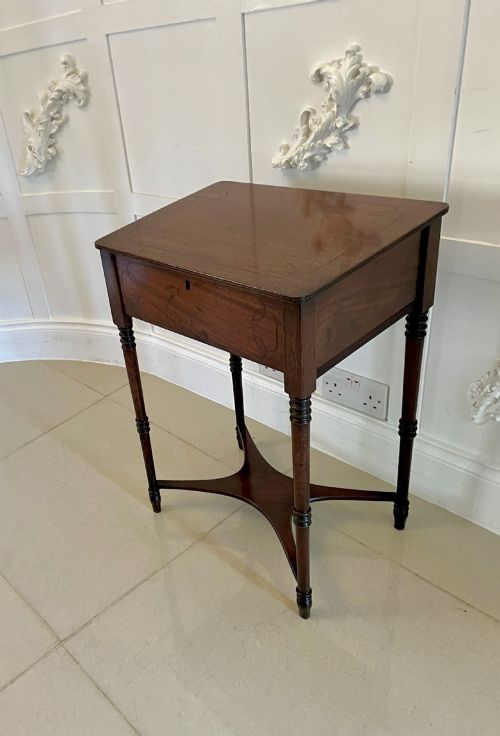

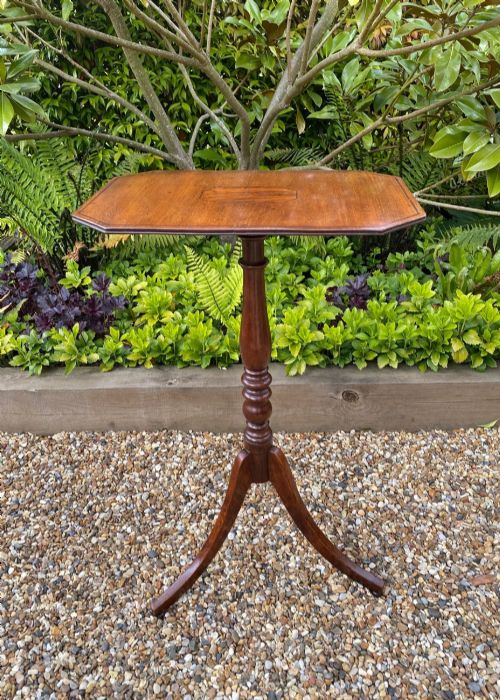


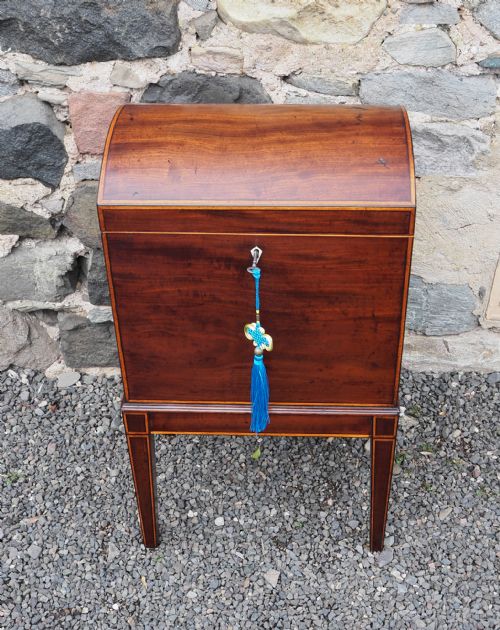
Inlaid Mahogany Wine Stand
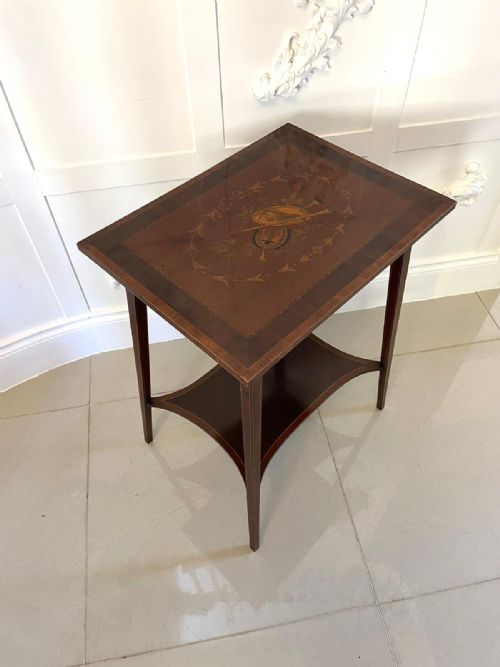
An inlaid mahogany wine stand is a compact table designed for service, offering refined timber and decorative detail that suit a formal room.
Inlaid Mahogany Wine Stand
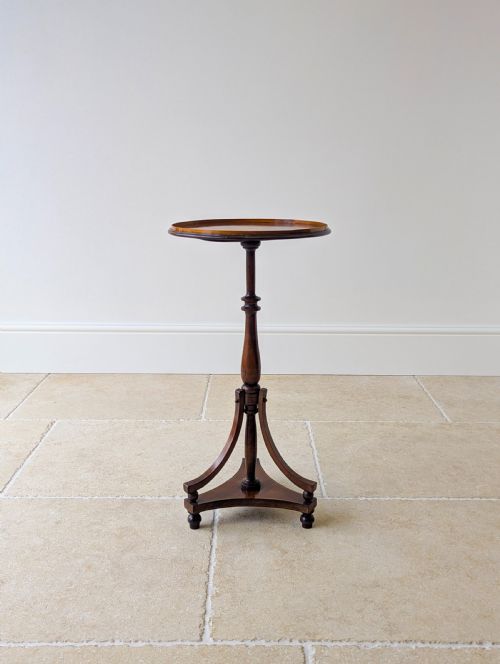
The search phrase encompasses a range of small serving and display tables, primarily taking the form of tripod wine tables, occasional tables, and cellarettes. Examples span from the Georgian and Regency eras through the Victorian period into the Edwardian years and the Sheraton Revival.
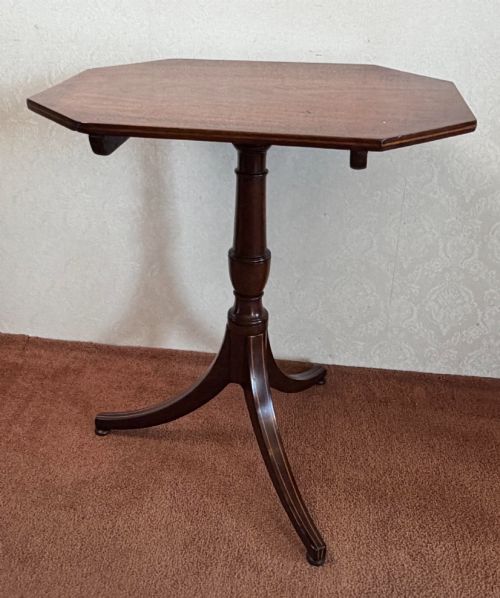
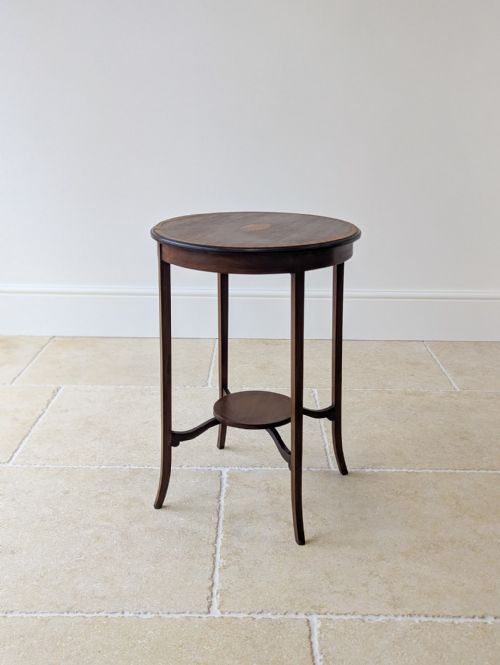
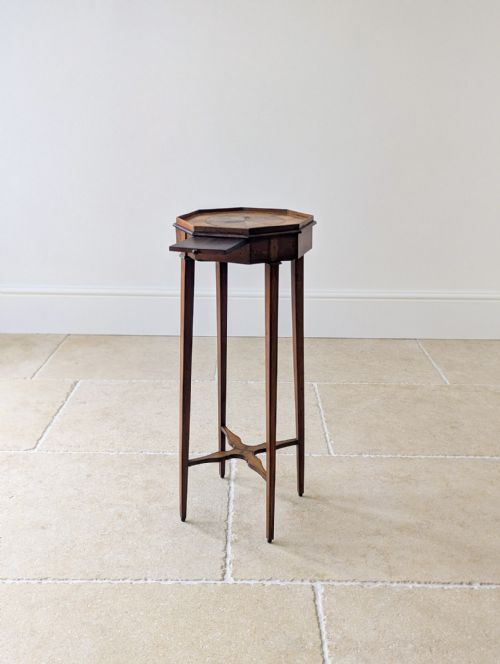
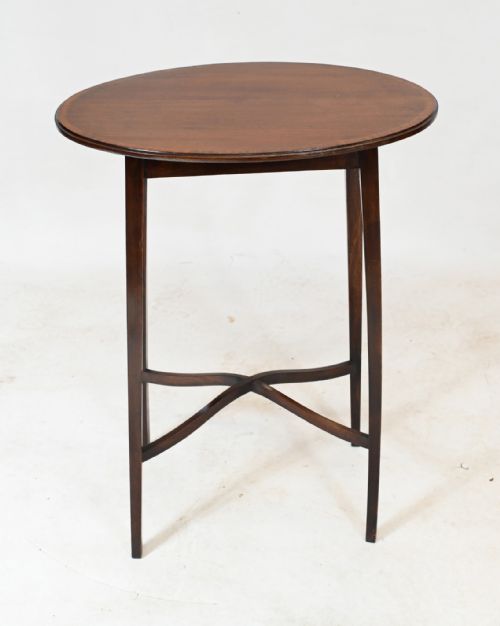
Most items encountered on this page belong to the Edwardian period or the late 19th century, often constructed as light lamp tables or circular occasional stands. Earlier Georgian and Regency iterations tend to be tripod tables or octagonal wine boxes on stands.
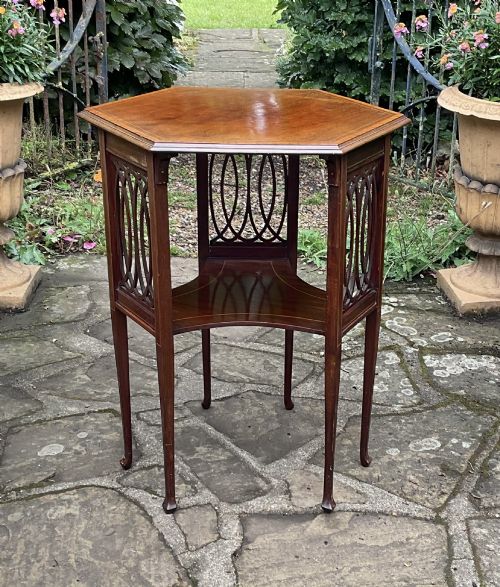
Forms vary from simple round dish-topped tables to tall wine stands and elaborate urn stands. Buyers will also find square and octagonal tops, frequently supported on slender columns with tripod legs.
Materials and construction
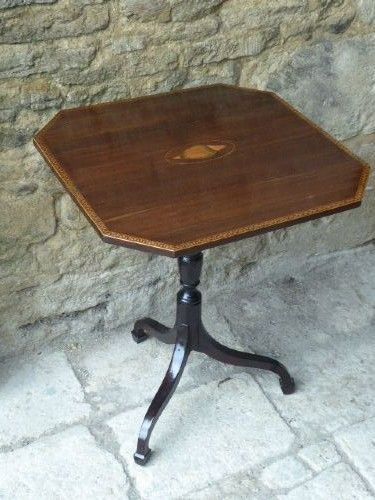
Mahogany serves as the primary timber, occasionally paired with walnut, cherry, or satinwood for contrast. Carpenters frequently incorporated boxwood inlay and delicate stringing to ornament the tops and legs.
Decorative embellishments often include marquetry, shell motifs, and compass roses set into the timber. Brass fittings such as handles and castors appear on the heavier cellarettes and wine cooler boxes.
The listings here span from George III examples dated around 1750 up to Edwardian pieces from 1910, uniting mahogany, satinwood, and boxwood inlay.
Assessing craftsmanship
Quality rests upon the crispness of the wood inlay and the selection of figured mahogany timber for the top. Finely executed stringing and well-defined marquetry distinguish superior examples from simpler production.
Structural integrity in the tripod bases and tilting mechanisms dictates the calibre of a piece. Well-balanced legs and tight joints separate master-carved tables from later or more utilitarian copies.
Gillows
The Inlaid Mahogany Wine Stand Glossary
- Cellarette
- A lockable container used for holding wine bottles, often fitted with a stand and interior sections. These boxes frequently feature brass handles and fine inlay.
- Tripod table
- A small freestanding table supported by a pillar above three spreading legs. Many feature a tipping top mechanism for convenience.
- Stringing
- A narrow inlay of contrasting wood used to create decorative borders along table edges and legs. This technique defines Sheraton Revival and Georgian decorative work.
- Urn stand
- A small, tall table designed to hold a heated water urn for tea service. They often feature raised galleries or octagonal tops.
- Marquetry
- The art of applying pieces of veneer to a structure to form decorative patterns. It appears frequently on Edwardian and Victorian tabletops.
Inlaid Mahogany Wine Stand: Frequently Asked Questions
What was a wine stand used for?
These pieces served to hold glasses, decanters, or cooling vessels during dining and social gatherings. They stood close to guests to facilitate easy service without requiring a larger sideboard.
Over time, their usage adapted into general lamp tables or small occasional stands placed beside seating in drawing rooms.
How do I date an inlaid table?
Dating relies upon examining the timber choice, the style of inlay, and the construction methods beneath the top. Georgian and Regency pieces generally display heavier proportions and hand-cut joinery.
Edwardian items and Sheraton Revival reproductions often utilise lighter satinwood contrasts, brighter finishes, and machine-cut elements typical of the early twentieth century.
Are tipping tops original?
Many tripod tables feature a birdcage or catch mechanism that allows the top to tilt vertically when not in use. This design saved floor space in smaller period rooms.
Inspection of the pivot block and hinge pins reveals whether the mechanism belongs to the original period of manufacture.
Where should I place a wine stand?
Their compact footprint suits placement beside armchairs, in corners, or between windows as lamp tables. The decorative inlaid tops benefit from natural light where the grain and stringing remain visible.
Avoid positioning them in direct sunlight or near heat sources to protect the polished mahogany surface from drying.