



Inlaid Mahogany Panel
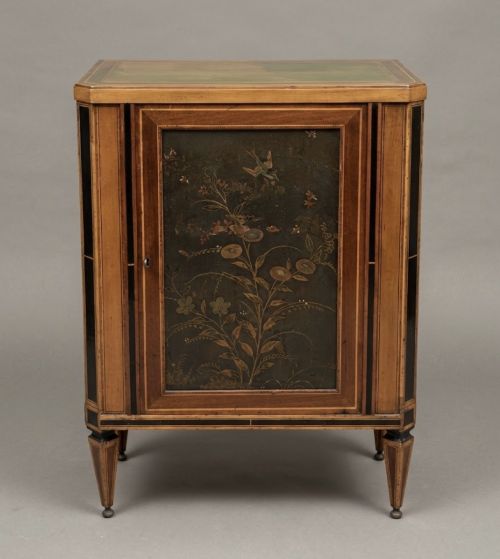
These inlaid mahogany panel pieces are cabinetwork and screens built from rich timber, offering warmth and decorative detail for domestic interiors.
Inlaid Mahogany Panel
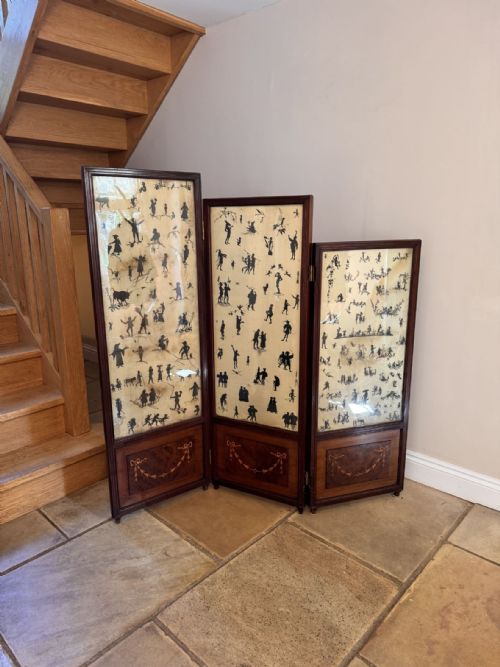
When you search for an inlaid mahogany panel, you encounter larger furniture items like linen presses, wardrobes, sideboards, cabinets, and folding screens that incorporate contrasting wood details. The most common forms on this page are Georgian linen presses and Edwardian folding screens, which combine structural cabinetry with decorative veneer work.
The periods represented stretch from the eighteenth-century Georgian era through the Victorian and Edwardian periods up to nineteen hundred. These pieces range from substantial gentleman's cabinets with swan-neck pediments to multi-fold dressing room dividers and single bedheads.
The craftsmanship reflects distinct stylistic movements including George III, Arts and Crafts, Art Nouveau, and Georgian Revival. Each piece demonstrates how cabinetmakers integrated contrasting timbers into larger functional forms to create visual interest.
How they were made
Makers constructed the primary carcass and panels using solid mahogany or flame mahogany, supplemented by oak for internal framing and secondary elements. This dense primary timber provided a stable dark ground for decorative work.
Craftsmen applied satinwood and marquetry veneers to create contrasting panels and geometric or pictorial details. Some items also incorporate brass, copper, and textile elements alongside the inlaid woodwork to complete the design.
Inlaid Mahogany Panel Retail Price Guide 2026
Typical asking prices for inlaid mahogany panel among the pieces listed under this phrase on Sellingantiques today, from the lower quarter to the upper quarter. They describe what is for sale here now, not the wider market.
Some Edwardian folding screens double as vanity room dividers, hiding morning routines behind polished panels of marquetry.
What varies in quality
The sophistication of the timber selection dictates the visual impact of the piece, with flame mahogany and finely figured satinwood creating a richer surface than plain grain. The precision of the marquetry cutting and the integration of the inlay into the surrounding panel also define the standard of the cabinetmaking.
Proportion and architectural detailing distinguish exceptional examples, particularly on large pieces like linen presses where pediments, cornices, and panel arrangements must balance harmoniously. The architectural integrity of the overall structure remains paramount alongside the decorative surface work.
Shapland and Petter
The Inlaid Mahogany Panel Glossary
- Linen press
- A large storage piece with upper cupboard doors enclosing sliding trays or shelves, sitting above a chest of drawers. This form was traditionally used for storing folded textiles.
- Flame mahogany
- A distinct timber figure resembling leaping flames, created by cutting across the branch junction of the mahogany tree. Cabinetmakers prized this grain for its dramatic visual movement.
- Marquetry
- The art of forming decorative patterns using thin veneers of various woods applied to a structural backing. This technique allows for complex pictorial or geometric designs.
- Satinwood
- A pale, hard timber from tropical trees utilised for contrasting inlay work and banding against darker woods. Its lustrous yellow tone brightens panel designs.
- Pediment
- The decorative gable or crowning architectural feature positioned at the very top of a tall cabinet or linen press. George III examples often featured swan-neck variations.
Inlaid Mahogany Panel: Frequently Asked Questions
What is an inlaid mahogany panel used for?
These pieces function as large storage furniture, room dividers, and beds within domestic spaces. Items like linen presses and wardrobes provide substantial cabinetry for garments and linens, while folding screens create private partitions in dressing rooms.
The decorative inlay adds visual warmth to architectural panels, allowing utilitarian furniture to serve as focal points in period interiors.
How do I tell Georgian from Edwardian examples?
Georgian pieces from the eighteenth century demonstrate formal classical proportions, often featuring flame mahogany, dentil cornices, and architectural pediments on linen presses and gentleman's cabinets.
Edwardian items tend towards lighter construction, frequently appearing as folding screens, double beds, and wardrobes that incorporate subtle satinwood inlay and marquetry within domestic settings.
What woods are used besides mahogany?
Satinwood appears frequently as a contrasting veneer for inlay work, providing a pale golden tone against the darker mahogany ground. Oak is also utilised for internal construction and framing within the cabinetry.
Additional materials such as brass fittings, copper details, and textiles integrate into specific screens and cabinets to complete the structural design.
How do I care for inlaid mahogany furniture?
Protect the wood and delicate veneer work by maintaining stable room humidity and keeping pieces away from direct heat sources and strong sunlight. Regular dusting with a soft, dry cloth preserves the finish without building up heavy wax residues.
Avoid placing damp items directly onto polished surfaces to protect the satinwood and marquetry inlay from moisture damage.