


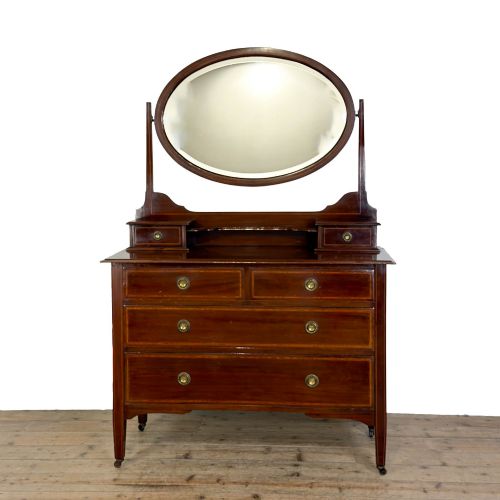


Inlaid Drawer Unit
These inlaid drawer unit pieces combine practical storage with decorative craftsmanship, offering compact chests, cabinets, and dressing tables for contemporary rooms.
Inlaid Drawer Unit
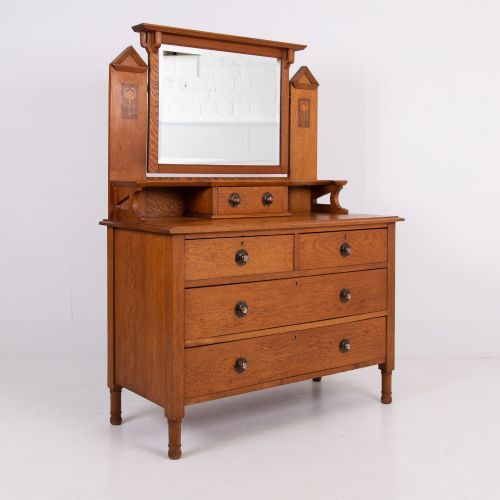
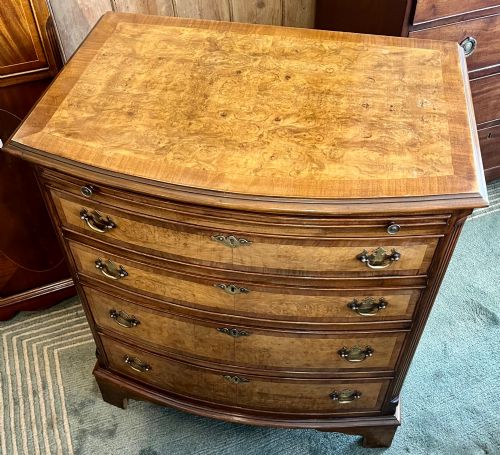
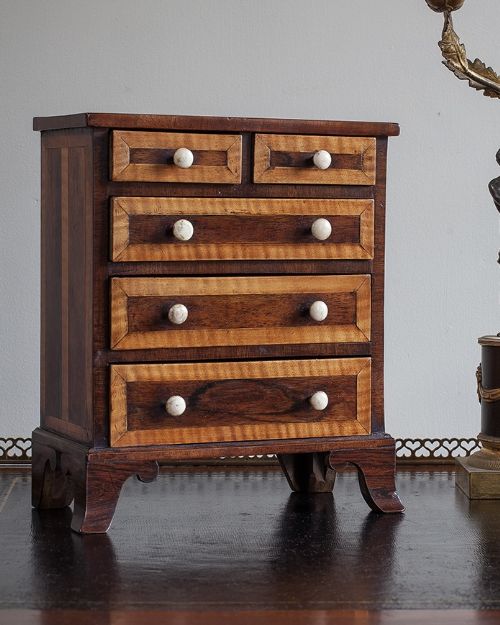
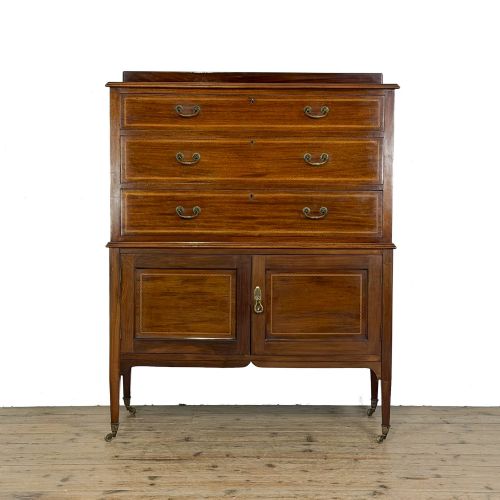
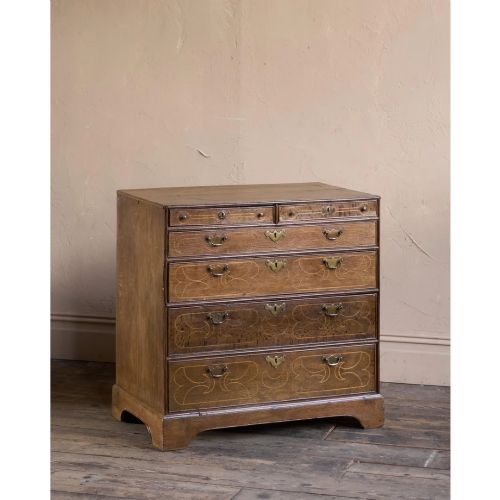
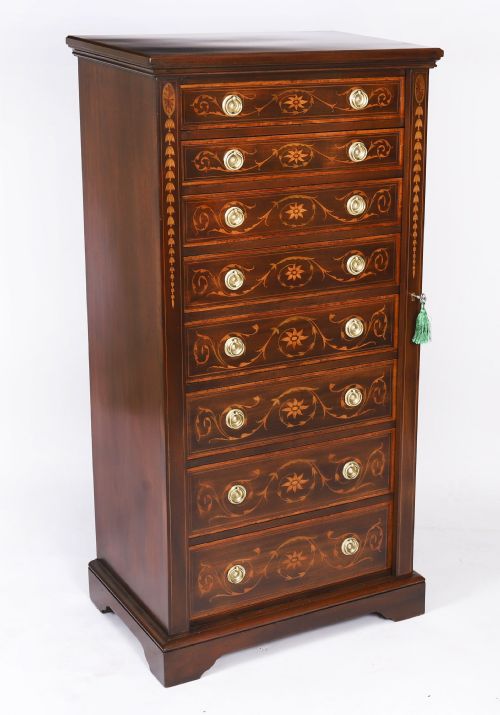
An inlaid drawer unit spans a variety of forms including miniature furniture, collector chests, music cabinets, and standard bedroom chests of drawers. The selection draws primarily from Edwardian, Victorian, and 19th Century origins, alongside earlier examples referencing William and Mary and George III styles.
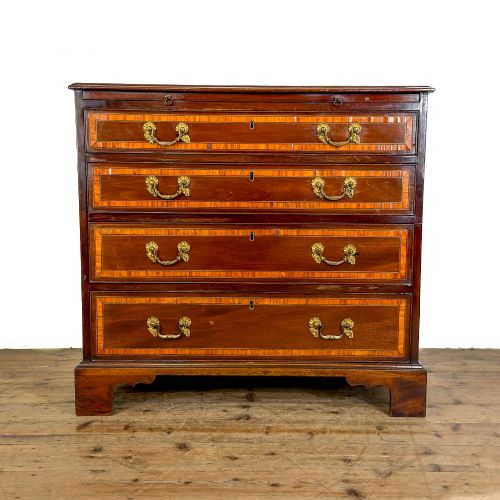
Buyers most frequently encounter Edwardian and 19th Century mahogany and walnut pieces on this page. These functional storage items range from slim single-unit cabinets and bachelor chests to dressing tables with mirrors.
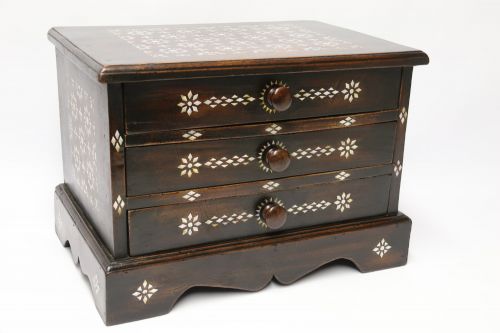
Regional variations also appear through Anglo-Indian hardwood collector chests and Dutch marquetry pieces. Each form serves specific domestic storage needs while displaying distinct period characteristics.
Materials and Technique
Cabinet makers constructed these units using primary timbers such as mahogany, walnut, burr walnut, and satin birch. Hardwoods provided structural stability and a smooth surface suitable for fine cabinet work.
Decorative detailing relies on satinwood inlay, marquetry, and line inlay techniques. Additional components like brass hardware, bone, and glass elements complete the construction of the drawers and cabinets.
Inlaid Drawer Unit Retail Price Guide 2026
Typical asking prices for inlaid drawer unit among the pieces listed under this phrase on Sellingantiques today, from the lower quarter to the upper quarter. They describe what is for sale here now, not the wider market.
Listings feature mahogany and walnut as the primary woods, accompanied by satinwood inlay and brass hardware across Edwardian and Victorian periods.
Quality and Execution
The standard of an inlaid drawer unit depends on the precision of the timber selection and the execution of the inlay work. Finer examples display carefully matched grain patterns, such as burr walnut, and tightly fitted line inlay or marquetry.
Construction integrity defines the upper tier, seen in smooth drawer operation and well-joined corners. The integration of secondary materials like brass handles and bone details also indicates the maker's attention to finish.
J Shoolbred
The Inlaid Drawer Unit Glossary
- Inlay
- A technique where pieces of contrasting material are inserted into a recessed surface to form a decorative design. This method is frequently executed in satinwood on mahogany or walnut carcases.
- Marquetry
- Elaborate veneer work arranged in pictorial or geometric patterns across furniture surfaces. Dutch examples often display floral motifs using various dyed and natural woods.
- Wellington Chest
- A tall, slender chest of drawers secured by a hinged locking side pilaster that fastens all drawers simultaneously. These pieces typically feature multiple shallow drawers.
- Collector Chest
- A specialised cabinet designed to hold specimens, documents, or small valuables in shallow internal compartments. They often appear in hardwood with multiple small drawers.
- Line Inlay
- A narrow strip of contrasting timber embedded in the surface to frame drawer fronts or tabletops. This subtle decoration characterises many Edwardian and Georgian pieces.
Inlaid Drawer Unit: Frequently Asked Questions
What is an inlaid drawer unit?
An inlaid drawer unit encompasses various small cabinetry items, including bedroom chests, music cabinets, and collector chests. These pieces feature contrasting wood inlays or marquetry integrated into the structure.
They offer specialised storage while functioning as decorative furniture items in living spaces and bedrooms.
How do I care for antique wood furniture?
Maintain these pieces by keeping them away from direct sunlight and steady heat sources to prevent timber splitting. Regular dusting with a soft, dry cloth preserves the polished surface.
Avoid using silicone-based polishes or harsh chemical sprays, opting instead for traditional furniture wax when the wood appears dry.
Where were these cabinets used?
These units served multiple domestic functions in bedrooms, parlours, and studies throughout the Edwardian and Victorian eras. Smaller pieces held sheet music, documents, or personal collections.
Larger chests provided standard clothing storage while displaying the refined craftsmanship typical of their period.
How can I identify Edwardian pieces?
Edwardian furniture often utilises lighter mahogany or walnut timbers combined with delicate satinwood line inlay. The styles frequently draw inspiration from earlier Georgian designs but with lighter proportions.
Construction methods from this period incorporate machine-sawn elements alongside hand-finished details, typically dating between eighteen ninety and nineteen ten.