




Industrial Storage Unit
An industrial storage unit brings heavy-duty utility and utilitarian design straight into a modern interior.
Industrial Storage Unit
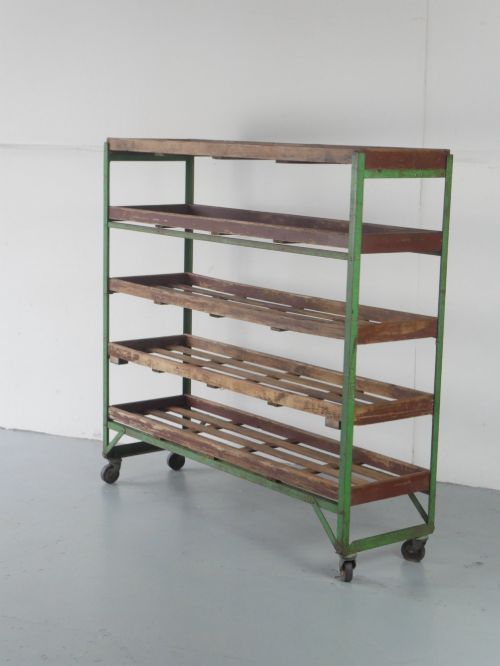
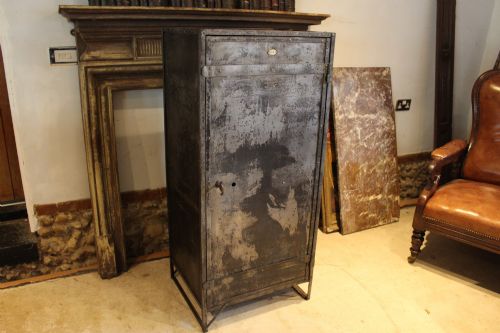
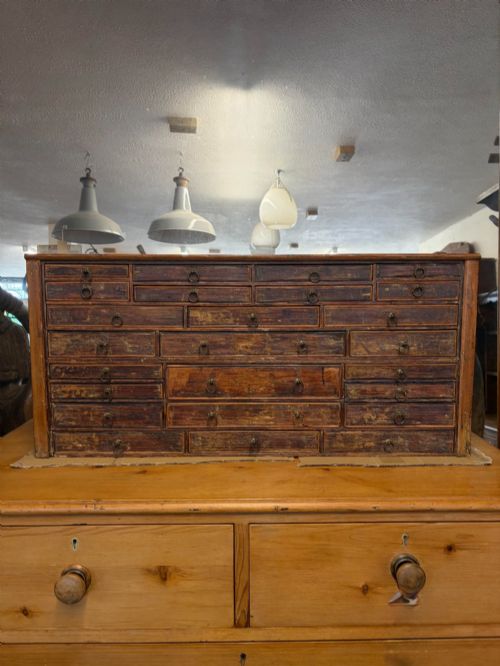
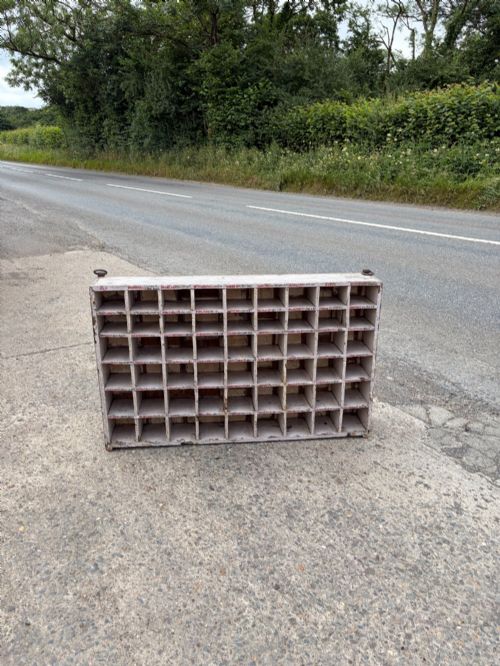
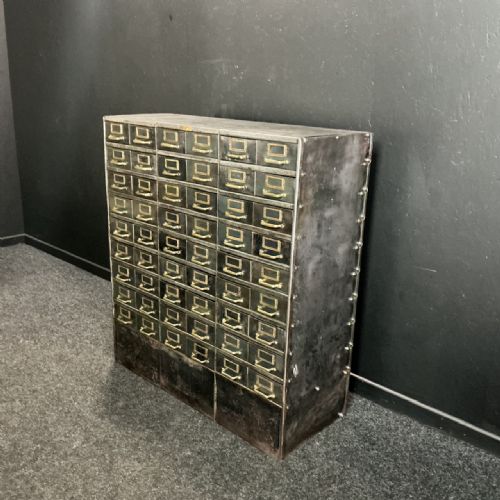
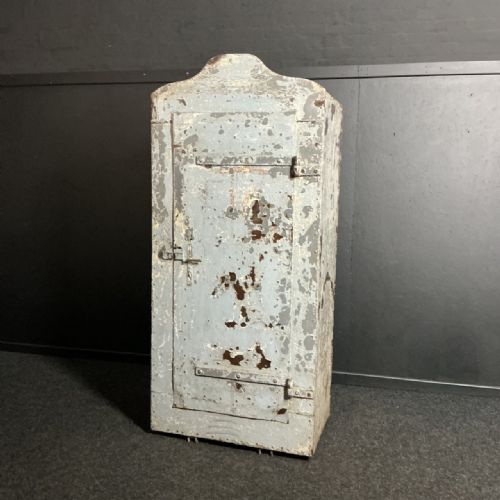
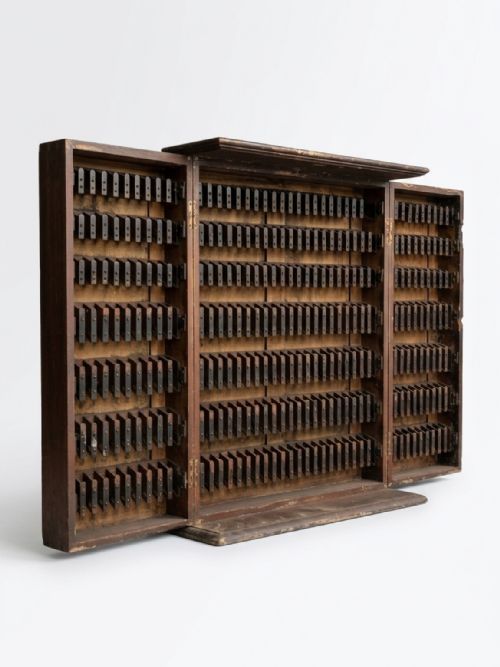
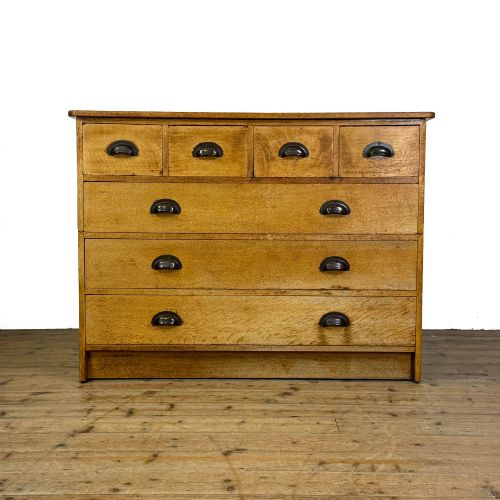
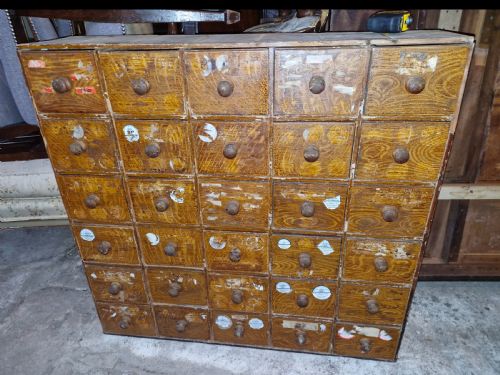
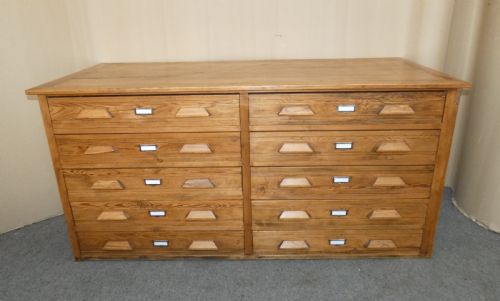
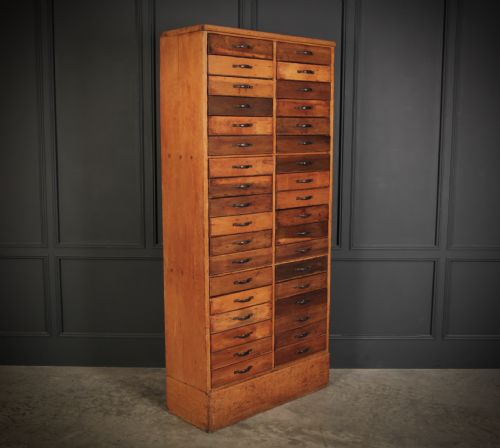
When a buyer searches for an industrial storage unit, they are looking at heavy utility furniture designed for workplaces, shops, and offices. The forms seen on this page range from banks of drawers and pigeon holes to metal cupboards, plan chests, and bakers racks.
You are most likely to meet pieces originating from the nineteenth century, the Edwardian era, and across the early decades of the twentieth century. These incorporate styles spanning Victorian industrial, French industrial, and mid-century utility.
The objects serve practical organizational needs through multi-drawer banks, filing cabinets, and shelving units. Their origins trace back to commercial and institutional environments where robust construction was essential.
Materials and construction
Construction relies heavily on timber and metal combinations, utilising pine, oak, fruitwood, iron, wrought iron, steel, and brass. Many items combine solid wooden carcases with iron or steel framework and fittings.
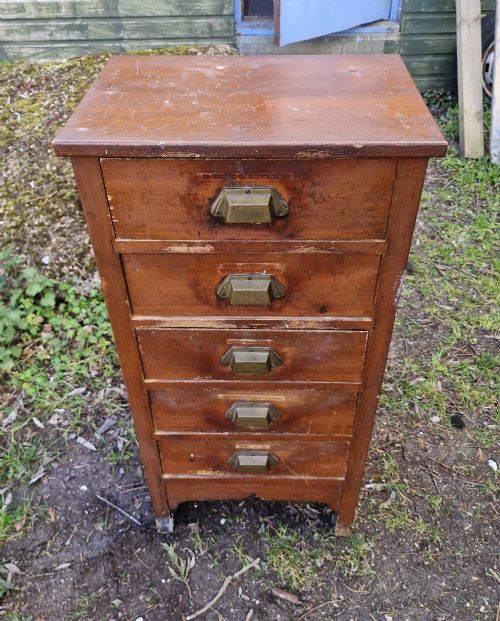
Surfaces frequently show original painted finishes, paint remnants, or distressed patination acquired through decades of commercial use. Hardware consists of period brass handles and patent mechanisms designed for daily workplace demands.
Industrial Storage Unit Retail Price Guide 2026
Typical asking prices for industrial storage unit among the pieces listed under this phrase on Sellingantiques today, from the lower quarter to the upper quarter. They describe what is for sale here now, not the wider market.
Listings feature items built from pine, oak, fruitwood, iron, wrought iron, steel, brass, and painted metal.
Quality and craftsmanship
Quality shows in the integrity of the original hardware, such as period brass handles and proprietary letter files, and the retention of original painted surfaces. Substantial timber construction in species like oak and fruitwood separates standard utility pieces from finer commercial furniture.
The execution of ironwork, from structural bracing to decorative scroll-work on bakery racks, defines the manufacturing standard. The retention of maker markings or patent details adds historical depth to individual cabinets.
Luxmore's of Ilfracombe
The Industrial Storage Unit Glossary
- Plan chest
- A wide, shallow multi-drawer cabinet originally designed for storing architectural drawings and large maps. These feature numerous low drawers to keep paper flat.
- Pigeon holes
- Open-fronted compartments stacked in a grid for sorting documents, mail, or small components. They are typically constructed in timber from the Victorian and Edwardian periods.
- Haberdashery chest
- A glass-fronted or multi-drawer cabinet used in retail shops to display and store small dry goods and clothing accessories. They often incorporate numerous small glazed or panelled drawers.
- Bakers rack
- A tall metal or iron shelving structure used in commercial bakeries for cooling and storing trays. Versions often exhibit intricate scroll-work and heavy iron frames.
- Patent cabinet
- A specialised filing system featuring mechanical indexing mechanisms protected by nineteenth or early twentieth-century industrial patents. These systems organise correspondence using alphabetical or numerical dividers.
Industrial Storage Unit: Frequently Asked Questions
What is an industrial storage unit?
An industrial storage unit is a piece of heavy-duty commercial furniture built for factories, shops, and offices.
These items include multi-drawer banks, metal cupboards, and pigeon holes designed for robust daily use.
How were these units used originally?
They served practical functions in businesses, from sorting railway tickets and storing hardware to holding shop inventory and architectural plans.
Commercial environments required durable storage that could withstand continuous handling and heavy loads.
How do I live with industrial storage?
These pieces integrate easily into modern living spaces as sideboards, kitchen dressers, or office organizers.
Their utilitarian design and mixed materials of wood and metal bring texture and character to contemporary interiors.
How do I date an industrial cabinet?
Dating relies on identifying construction methods, timber species, hardware styles, and patent dates marked on the metalwork.
Nineteenth-century examples often feature hand-cut joinery and heavy iron, while 1930s pieces lean towards steel and streamlined utility.