




Industrial Pine Storage
Industrial pine storage brings together utility furniture and honest timber, offering robust shelving, cabinets and multi-drawer units built for hard work.
Industrial Pine Storage
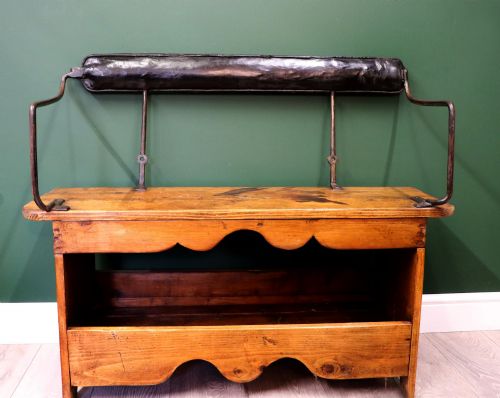
Industrial pine storage encompasses heavy-duty utilitarian furniture designed for commercial, military and workshop environments, spanning the nineteenth century through the early twentieth century. Buyers seeking industrial pine storage encounter diverse forms including banks of drawers, pigeon holes, lockers, plan chests and tool trunks.
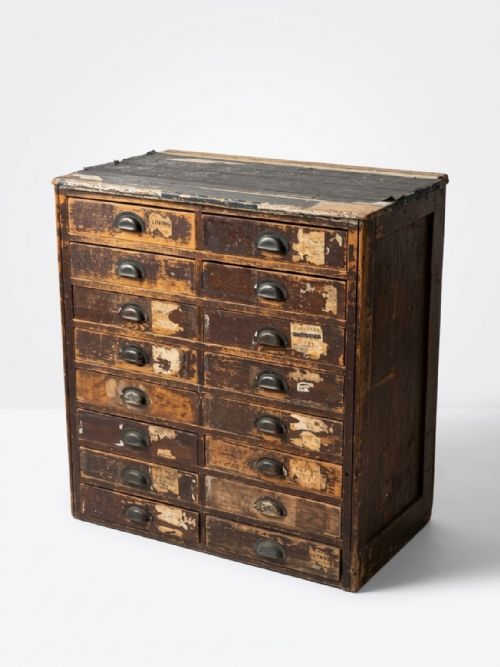
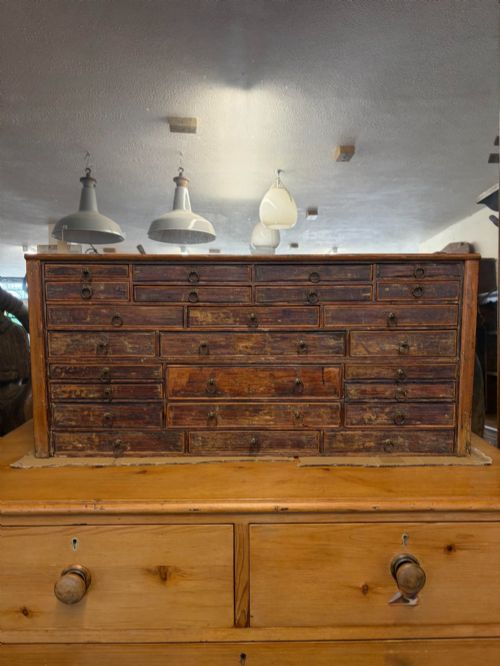
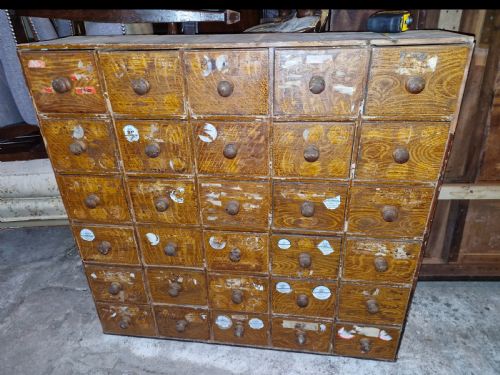
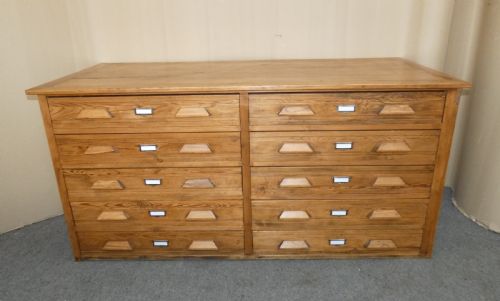
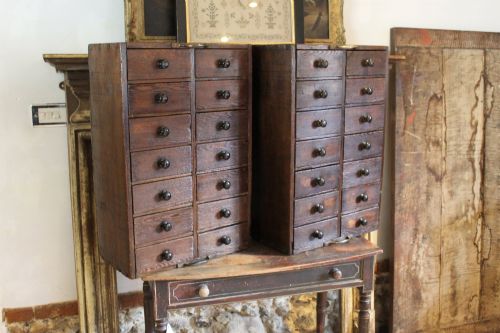
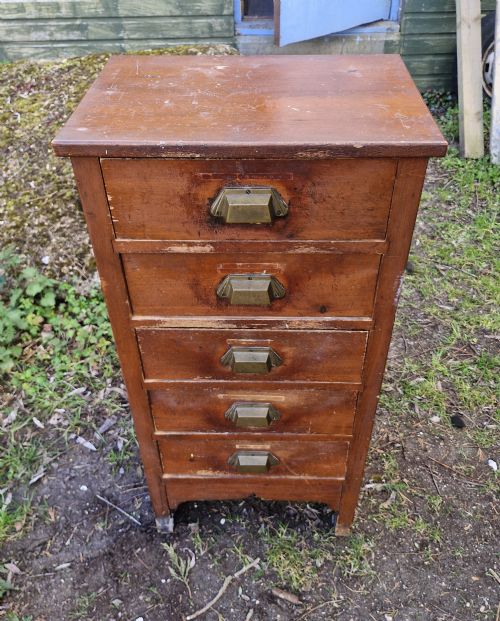
The pieces on this page lean heavily towards multi-drawer shop fittings, tall banks of drawers, and modular pigeon holes originating from Victorian and Edwardian mercantile settings. Workshops, offices and railway companies utilised these items to organise paperwork, hardware and tools efficiently.
Robust proportions define these storage units, constructed from solid pine timbers often reinforced with iron, brass or metal banding. While many retain their bare scrubbed wood finish, others exhibit layers of original paint accumulated through decades of commercial use.
Materials and Construction
Makers built these pieces primarily from solid pine and timber, selected for availability and durability rather than decorative show. Carpenters joined structural members with sturdy joints to withstand heavy daily handling in busy commercial spaces.
Metal components such as iron brackets, brass handles, and corner plates reinforced vulnerable edges on trunks, campaign chests and locker cabinets. Paint layers applied originally for protection often survive in worn, patinated states across shop fittings and drawer fronts.
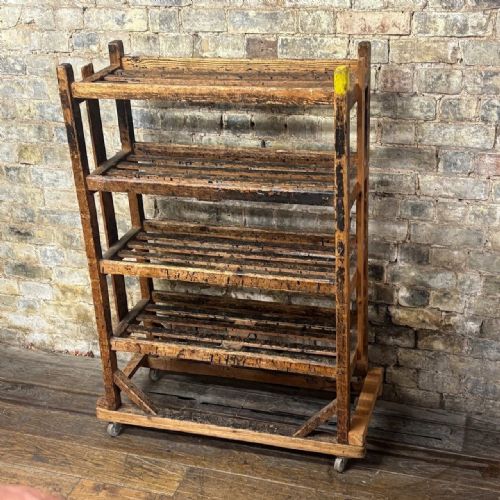
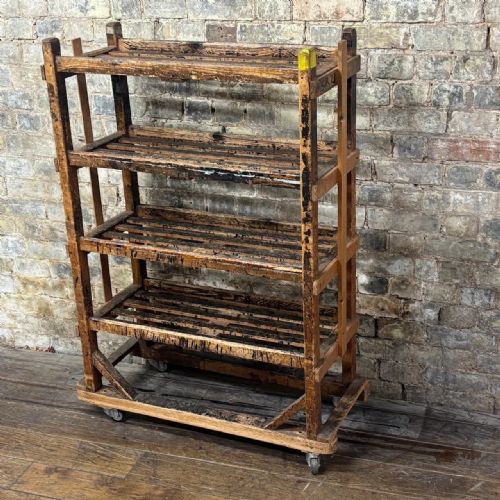
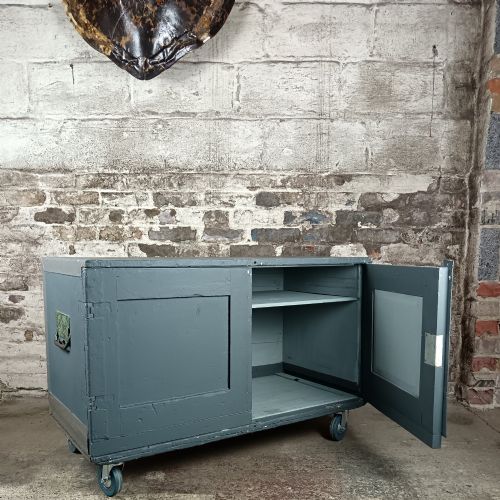
Storage forms range from railway ticket cupboards and shoe trolleys to Haberdashers drawers and proofing cupboards.
Assessing Quality
Quality in these utilitarian pieces rests upon the integrity of the original construction and the survival of working hardware like brass handles and iron pulls. Units retaining their complete set of matching drawers or original pigeon hole dividers command greater interest than those altered over time.
The character of the pine surface tells a story of utility, where honest wear, aged patination and traces of factory or shop paint elevate a piece. Unfussy, straight-grained timber combined with tight joinery marks the difference between standard transit crates and purpose-built commercial furniture.
Luxmore's of Ilfracombe·Gnome Et Le Rhone Engine Company·D Napier And Sons
The Industrial Pine Storage Glossary
- Plan chest
- A large, shallow-drawer cabinet originally designed for storing architectural drawings and maps. These wide units provide expansive flat surfaces and numerous shallow compartments.
- Pigeon holes
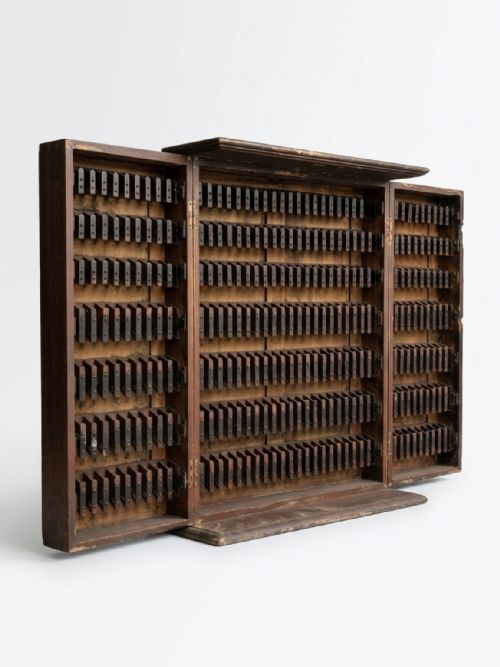
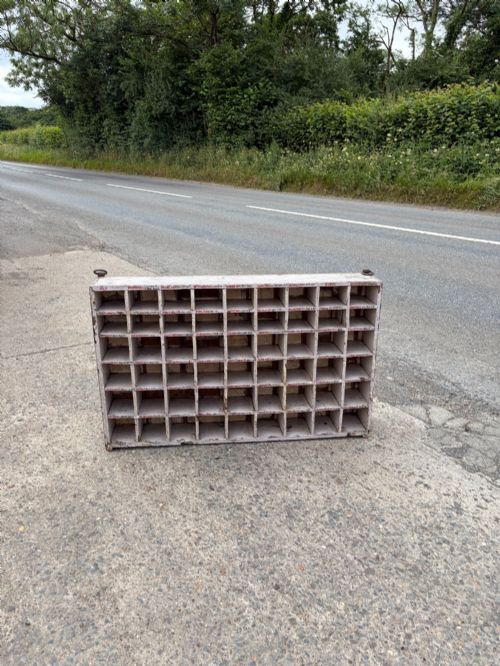
- Modular open compartments stacked in grids to sort paperwork, tickets or small components. They appear frequently in nineteenth and early twentieth-century offices and sorting rooms.
- Campaign chest
- Portable furniture built in sections with recessed brass handles for military transport. Officers used these robust trunks to move personal belongings across campaigns.
- Haberdashers drawers
- Multi-drawer shop fittings featuring numerous small compartments with glass fronts or brass label holders. Merchants used them to display small textiles and notions.
- Shop fitting
- Custom commercial furniture built for retail premises, including tall drawer banks and counter units. These pieces were engineered for intensive daily customer interaction.
Industrial Pine Storage: Frequently Asked Questions
What rooms suit industrial pine storage?
These versatile storage units integrate smoothly into kitchens, home offices and living spaces where practical organisation matters. Banks of drawers and pigeon holes provide substantial surface area and compartmentalised storage for modern domestic use.
The tactile quality of scrubbed pine and aged metal adds a grounded element to contemporary interiors. Placing a large plan chest or shop fitting anchors a room while keeping clutter contained.
How do I care for antique pine?
Protect antique pine surfaces by avoiding direct heat sources and excessive moisture which can warp the timber. Dust regularly with a dry cloth and apply a neutral beeswax sparingly to maintain the natural grain.
Preserve original paint finishes by cleaning gently without harsh chemical solvents. Embracing minor scuffs and marks maintains the authentic character developed through decades of hard service.
How do I distinguish Victorian from Edwardian pine?
Victorian pine storage often displays darker patination, heavier iron hardware and robust dovetail joinery shaped by hand. These nineteenth-century pieces frequently show dense accumulations of utility paint and hard wear from workshops and railways.
Edwardian items tend to feature lighter pitch pine timber, standardised brass fittings and refined construction methods suited for emerging office spaces. Plan chests and carpenters chests from this later period reflect expanding commercial bureaucracy.
Were these pieces made for homes?
Most of these items served commercial, industrial or military purposes rather than domestic ones. Workshops, railway offices, watchmakers and drapery shops commissioned these robust units for heavy inventory management.
Their adaptation into modern homes relies entirely on their practical scale and honest construction. The utilitarian origins ensure every drawer and compartment was engineered for heavy daily handling.