




Industrial Pine Furniture
Industrial pine furniture brings robust utility and honest workshop character into a room, offering practical storage and seating built to endure.
Industrial Pine Furniture
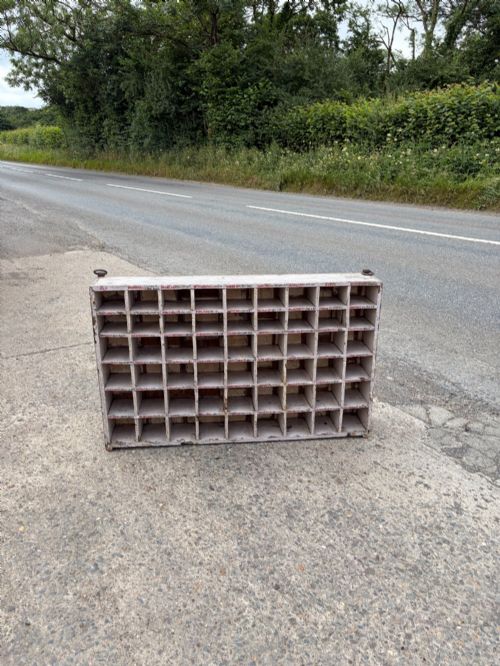
Industrial pine furniture encompasses utilitarian pieces originating from commercial, transport, and workshop settings across the nineteenth and early twentieth centuries. These items include benches, workbenches, pigeon holes, and storage units designed purely for hard daily work rather than domestic display.
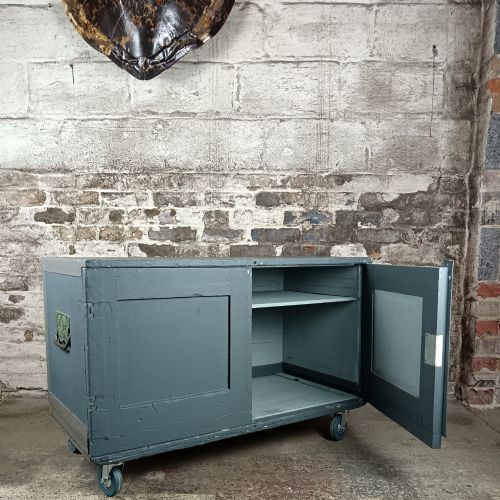
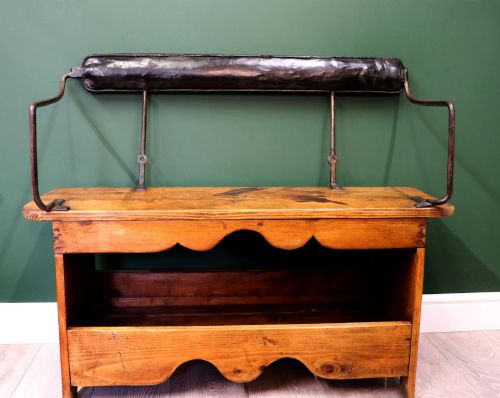
Buyers encounter forms such as reversible transport benches, campaign packing cases, tavern tables with cast-iron bases, and compartmented pigeon hole cabinets. The origins span British, Swedish, and military contexts, reflecting a practical aesthetic shaped by necessity.
The material selection prioritises dense softwoods like pitch pine paired with iron, steel, and brass fittings. This combination yields hardy tables, stands, and chests that carry the honest patination of their former working lives.
Construction and Materials
The construction relies on sturdy pine and pitch pine timbers joined to withstand heavy daily use, frequently combined with cast iron and steel supports. Frameworks incorporate heavy-duty bracing and metal hardware to ensure rigidity under pressure.
Surfaces often retain traces of original paint, unvarnished grain, or earned wear from workshop and transport environments. Fasteners and fittings utilise brass and iron, anchoring the wooden elements securely.
Design focuses entirely on function, resulting in folding stands, modular pigeon holes, and heavy workbenches built with straightforward joinery. Every structural choice serves the practical demands of nineteenth and early twentieth-century trade.
Industrial Pine Furniture Retail Price Guide 2026
Typical asking prices for industrial pine furniture among the pieces listed under this phrase on Sellingantiques today, from the lower quarter to the upper quarter. They describe what is for sale here now, not the wider market.
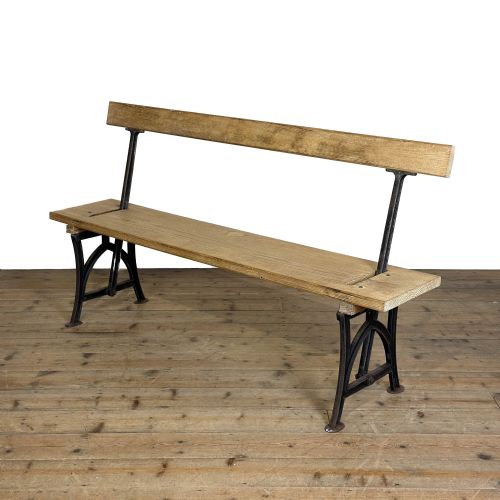
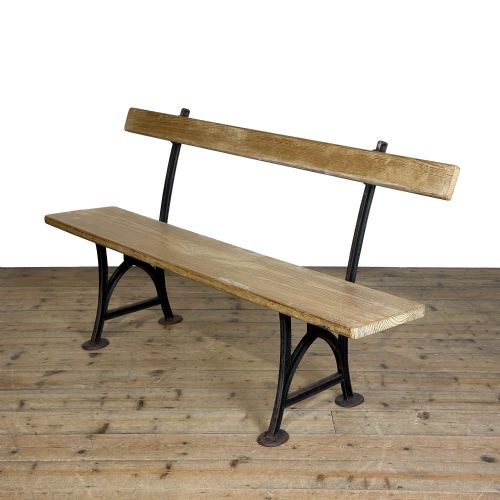
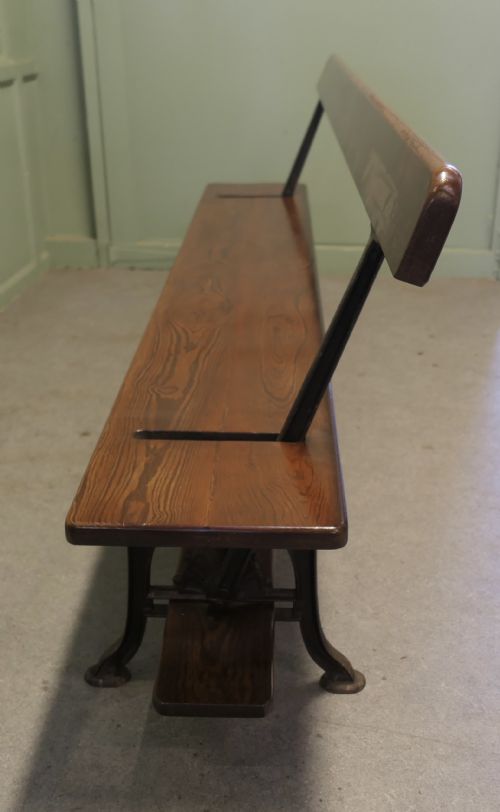
Some benches feature reversible actions designed for tram and trolley bus passengers.
Assessing Quality
Quality rests in the integrity of the original hardware and the depth of surface patination accumulated through active service. Untouched timber surfaces holding genuine workshop wear carry greater character than heavily sanded or overly restored examples.
Structural honesty dictates the merit of each piece, where surviving mechanisms like folding bench stands or reversible seat backs operate smoothly despite their age. The robustness of the underlying iron or cast-iron framework provides a reliable measure of durability.
The Industrial Pine Furniture Glossary
- Pitch Pine
- A dense, resinous variety of pine timber prized for its strength and durability in heavy furniture and flooring.
- Campaign Case
- A portable storage chest or packing trunk built with reinforced corners and handles for transport during military or commercial travel.
- Pigeon Holes
- Compartmented shelving units originally designed for sorting mail, documents, or small parts in commercial offices and workshops.
- Workbench
- A heavy wooden table fitted with vices or tool storage, utilised by craftsmen and artisans for manual labour.
Industrial Pine Furniture: Frequently Asked Questions
What is industrial pine furniture?
Industrial pine furniture comprises utilitarian items built for commercial, workshop, or transport use during the nineteenth and early twentieth centuries.
These pieces prioritise sturdy construction using pine and pitch pine combined with iron or steel, creating durable workbenches, storage units, and seating.
How do I live with these pieces?
Integrating these items into a modern interior involves embracing their robust character and practical storage capabilities.
Their utilitarian forms suit kitchens, hallways, and living spaces where hardworking surfaces and functional shelving add grounded, historic utility.
How can I tell the periods apart?
Dating relies on observing construction methods, hardware types, and materials characteristic of the Victorian, Edwardian, and early twentieth-century eras.
Earlier examples often feature heavy cast-iron bases and hand-forged fittings, whereas later utilitarian pieces reflect streamlined workshop production.
Were these pieces used outdoors?
While many items originated indoors in workshops, shops, and taverns, certain forms like mangle tables and garden stands adapted to exterior use.
Their robust pine timbers and cast-iron frames allowed them to withstand demanding conditions across different working environments.