




Industrial Office Desk
These heavy-working pieces built for business and trade make an industrial office desk a rugged centrepiece for modern workspaces.
Industrial Office Desk
When you search for an industrial office desk, you encounter a robust mix of utilitarian furniture and workspace accessories designed for heavy daily use. The pieces listed span eras from the late nineteenth century through to the mid-twentieth century, capturing the evolution of commercial and trade environments.
You are most likely to meet auxiliary items such as desks, sorting tables, filing cabinets, and pigeon holes alongside task lighting and seating. These items originate from offices, post offices, railways, and workshops, bringing functional workplace history into domestic or contemporary settings.
Materials and construction
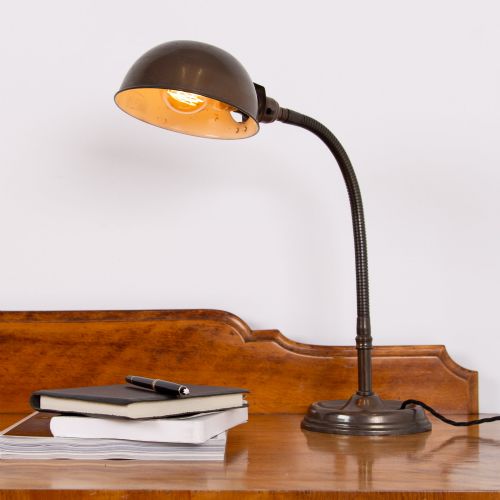
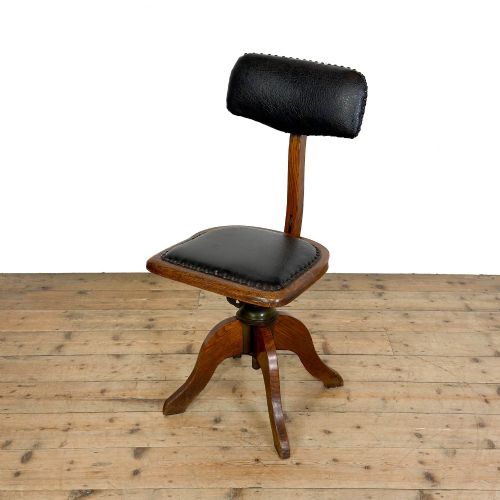
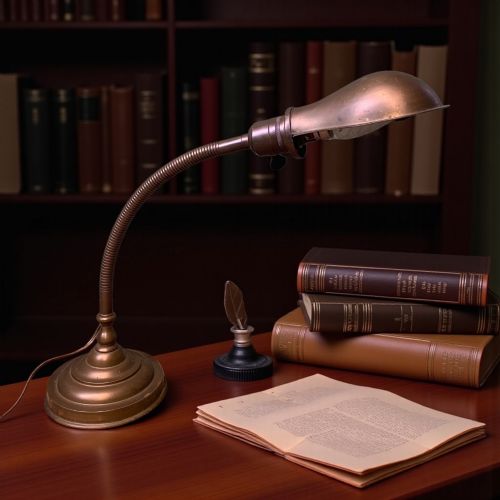
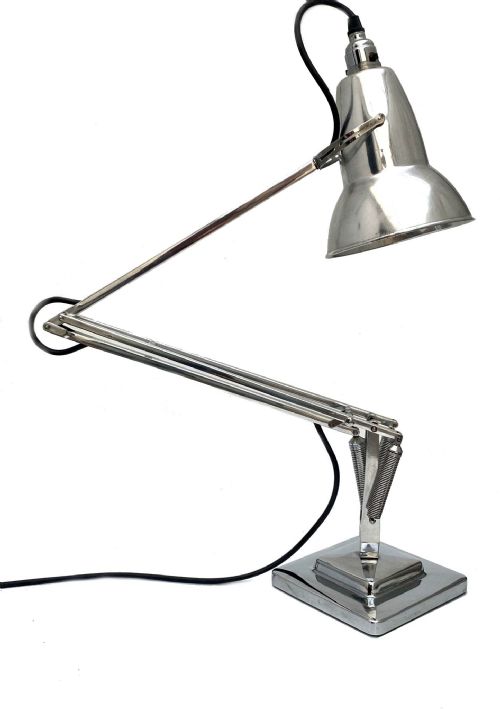
Construction relies heavily on durable metals including steel, cast iron, brass, and chrome, paired with robust timbers like oak and pine. Cast iron provides structural weight and stability for heavy machinery components and chair bases, while brass and chrome appear on adjustable desk lamps and cabinet hardware.
Wooden elements utilise solid oak and pine for sorting tables, pigeon holes, and cabinetry, built to withstand decades of commercial sorting and filing. Metal components are frequently articulated with mechanical joints, spring balances, and adjustable arms as seen in mid-century desk lamps.
Industrial Office Desk Retail Price Guide 2026
Typical asking prices for industrial office desk among the pieces listed under this phrase on Sellingantiques today, from the lower quarter to the upper quarter. They describe what is for sale here now, not the wider market.
Listings span the 1880s to the 1950s, featuring oak, pine, cast iron, steel, brass, and chrome across desks, seating, lighting, and sorting furniture.
Evaluating quality and build
Quality separates through the integrity of mechanical adjustments and the weight of materials used in the construction. Heavier cast iron bases, solid brass fittings, and substantial oak or pine framing indicate higher commercial grades designed for demanding industrial environments.
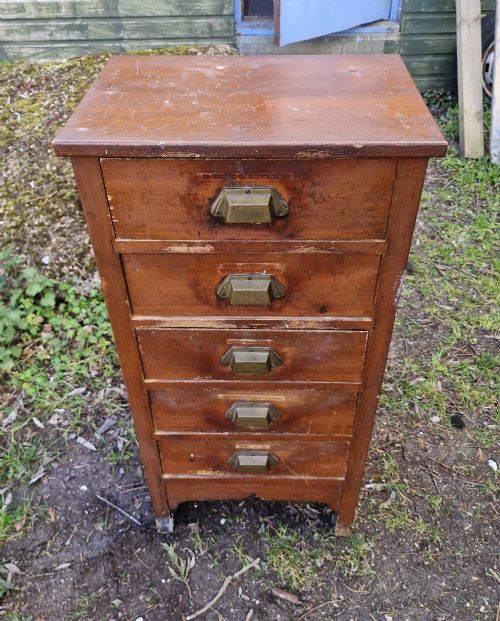
The sophistication of engineering marks the distinction between standard utilitarian items and finer examples. Articulated desk lamps with signed maker mechanisms and filing cabinets retaining original brass handles demonstrate superior period manufacturing standards.
Herbert Terry·Pirouette·Hawkins
The Industrial Office Desk Glossary
- Industrial
- Pertaining to manufacturing, trade, and heavy work environments. Items carrying this description display utilitarian design and robust construction.
- Anglepoise
- A type of balanced spring-arm task lamp invented in the twentieth century. It allows the light source to be positioned precisely via tension springs.
- Pigeon Holes
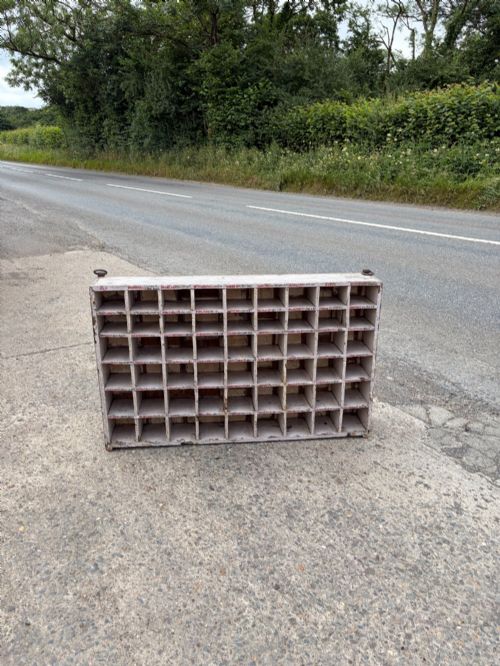
- A set of small open compartments or cubbies used for sorting mail, documents, or paperwork. They are typically constructed from wood in office or postal settings.
- Cast Iron
- An iron-carbon alloy poured into moulds to create heavy, durable components. It provides stability for nineteenth and twentieth-century machinery and furniture bases.
- Art Deco
- A design style popular in the 1920s and 1930s characterised by sleek geometric shapes and modern industrial materials like chrome.
Industrial Office Desk: Frequently Asked Questions
What defines an industrial office desk?
These items are defined by their utilitarian origins in factories, railways, and administrative offices during the nineteenth and twentieth centuries. They prioritise durability and function over ornamentation.
Materials typically include heavy cast iron, steel, oak, and pine, resulting in robust furniture and accessories built for demanding daily commercial use.
How do I date these metal and wooden pieces?
Dating relies on observing construction methods, materials, and stylistic markers such as Art Deco chrome or Victorian cast iron. Patent marks and maker stamps provide precise chronological clues.
Earlier pieces from the late nineteenth century tend to use heavy cast iron and solid oak, whereas 1930s items frequently incorporate adjustable chrome arms and spring mechanisms.
Can I use industrial lighting in a modern room?
Task lamps and adjustable desk lights integrate easily into contemporary workspaces because their mechanical designs remain highly functional. They provide focused illumination and tactile adjustment.
Matching a brass or chrome desk lamp with a wooden filing cabinet or sorting table creates a cohesive workspace rooted in historical utility.
Are sorting tables and pigeon holes practical today?
Sorting tables and pigeon hole cabinets offer extensive compartmentalised storage for stationery, paperwork, or display purposes. Their multiple openings help organise modern desktop clutter.
Constructed from solid pine or oak, these storage units provide sturdy architecture that withstands the demands of contemporary home offices.