





Industrial Metal Tool
An industrial metal tool carries the weight of practical labour, offering a striking sculptural presence for modern interiors.
Industrial Metal Tool
When you search for an industrial metal tool, you encounter heavy utilitarian objects born from workshops, farriers, and traditional trade workrooms. These items transition easily from functional workshop equipment to distinctive sculptural objects within contemporary living spaces.
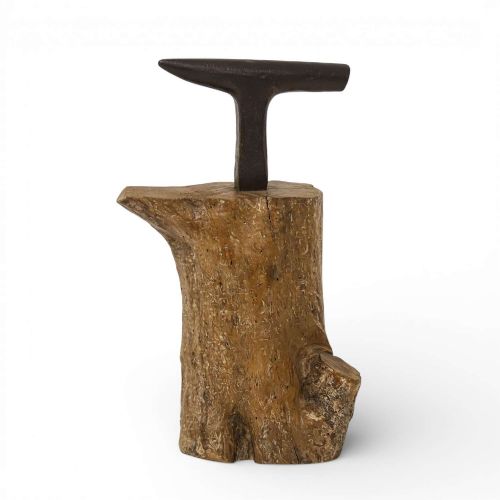
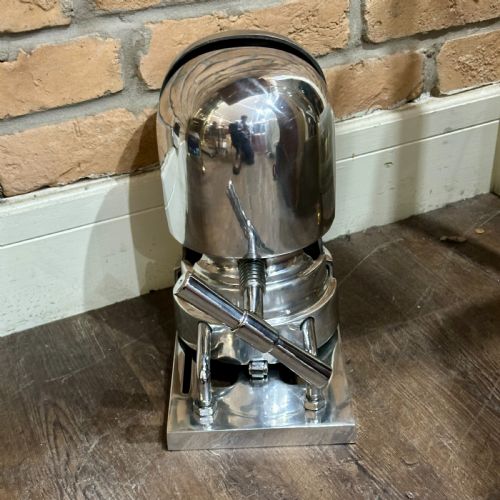
The pieces available here most frequently include cast aluminum millinery moulds and hat blocks from the 1920s, alongside substantial 19th-century blacksmiths' cast iron anvils mounted on fruitwood trunks. You also find specialised workshop equipment such as copper funnels from the Victorian era.
Spanning periods from the mid 19th century through the 1930s, these industrial metal tool pieces represent diverse British trade traditions, embracing styles from rustic farmhouse and Victorian to industrial and art deco.
How they were made
Makers shaped these objects using robust foundational materials including cast iron, wrought iron, aluminum, cast aluminum, and copper. Metal components were frequently paired with organic elements like timber and fruitwood trunks to create stable mounting bases for heavy working tools.
Techniques relied upon durable foundry casting for anvils and hat blocks, allowing molten metal to take complex functional forms designed to withstand daily workshop use. Hat stretchers and millinery moulds required precise shaping to form felt and fabric headwear accurately.
Even a humble copper funnel from 1860 can possess enough presence to command attention in a modern room.
What varies in quality
Quality in an industrial metal tool rests in the crispness of the original foundry casting and the integrity of any integrated wooden mounts. Pieces that retain their original structural surfaces display a far superior character to those altered or overly refinished.
The visual appeal depends heavily on the sculptural form achieved through practical utility, where functional wear and foundry marks enhance the object's presence rather than detracting from its core integrity.
The Industrial Metal Tool Glossary
- Anvil
- A heavy iron or steel block with a flat top upon which metal can be hammered. Blacksmiths relied on this essential tool for shaping hot metal during the 19th century.
- Millinery mould
- A solid form used by hatters to shape and size millinery pieces. These blocks were often cast in aluminum during the 1920s to ensure a durable and smooth working surface.
- Hat stretcher
- A mechanical workshop device utilised to expand hats to the correct size. These metal and timber tools show the ingenious mechanical solutions of the 1930s.
- Farrier
- A craftsman who shoes horses and works with metal hoof care. Farriers utilised specialised heavy iron tools mounted on sturdy wooden trunks.
- Vernacular piece
- An object made to fulfill a local, practical purpose without formal academic design input. These utilitarian items often achieve unintentional sculptural beauty through pure function.
Industrial Metal Tool: Frequently Asked Questions
What is an industrial metal tool?
An industrial metal tool encompasses heavy utilitarian objects originating from traditional trade workshops, blacksmiths, and farriers. These durable items include cast iron anvils and aluminum millinery moulds.
Over time, these practical workshop implements have transitioned into sought-after decorative objects appreciated for their robust materials and sculptural forms.
How were 19th century anvils used?
Blacksmiths and farriers utilised 19th-century cast iron anvils as sturdy working platforms for hammering and shaping hot metal. They were frequently mounted securely onto heavy fruitwood trunks for stability.
These working surfaces endured decades of heavy daily labour in traditional village smithies before finding new life in modern interiors.
What are millinery moulds?
Millinery moulds are solid forms historically utilised by hat makers to shape, stretch, and dry hats. Many surviving examples are cast from aluminum and date to the 1920s.
The precise geometric and organic shapes required for hat making gave these workshop tools a distinctive sculptural quality.
How do I date an industrial metal tool?
Dating these pieces relies on identifying the manufacturing materials, such as early cast iron versus later cast aluminum, alongside specific trade styles like Victorian or art deco. Workshop records and structural fastening methods also help place an object in periods like the 1860s or 1930s.
Comparing the specific form against documented haberdashery and blacksmithing equipment provides further chronological clarity.
How do I style industrial metal tools?
Industrial metal tools integrate easily into contemporary spaces by serving as sculptural standalone decorative objects on tables or open shelving. Their combination of heavy metal and aged timber brings tactile contrast to neutral interiors.
Grouping items like aluminum hat blocks or displaying a mounted anvil highlights their rich textures and historical utility.