

Industrial Metal Antiques
Industrial metal antiques are utilitarian survivors forged in iron, steel and brass that bring structural honesty and hard-wearing character to modern interiors.
Industrial Metal Antiques
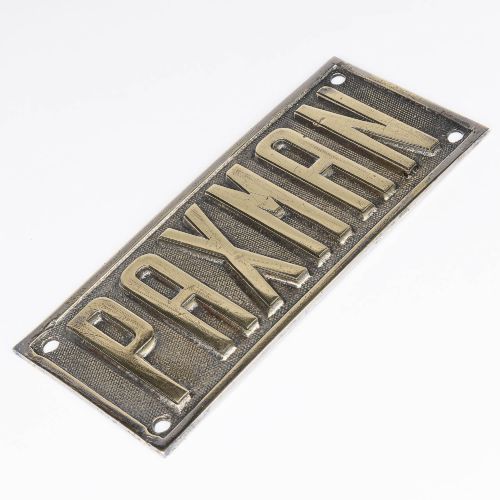
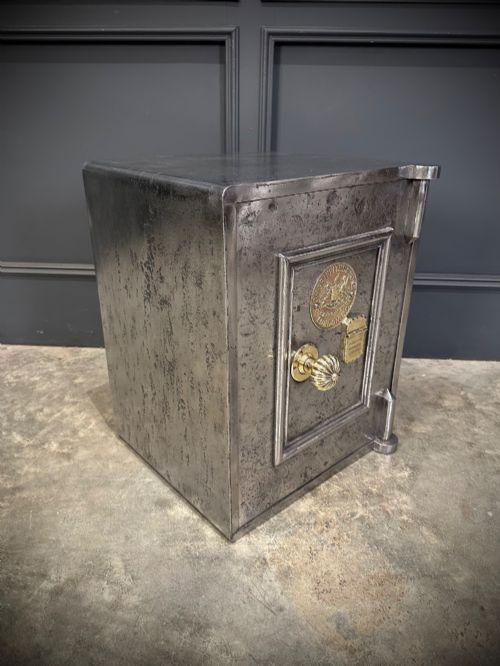
Industrial metal antiques encompass functional objects shaped by trade, manufacture and everyday labour from the Victorian period through to the mid-twentieth century. Buyers seek these pieces for their unpretentious utility and the robust engineering evident in items ranging from heavy safes and bakers' racks to trade signs and bar stools.
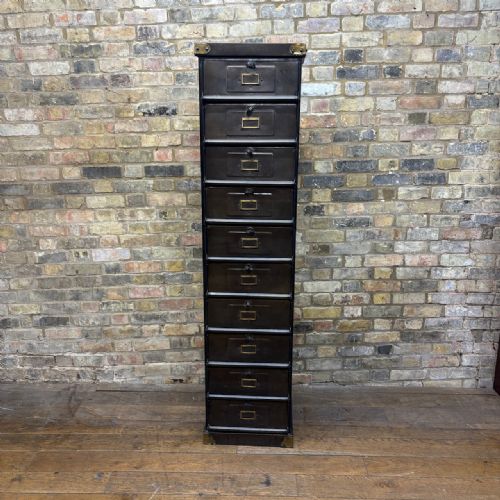
The pieces appearing most frequently on this page stem from the late nineteenth century and the early decades of the twentieth century. These include cast-iron table bases, riveted copper vessels, steel storage cupboards and utilitarian beds designed strictly for purpose rather than decoration.
Origins vary across British workshops, French houses and industrial mills, offering a diverse array of vernacular forms. Whether encountering a farrier's anvil mounted on fruitwood or a heavy gear cog base from a workshop stool, the focus remains on honest materials shaped by real use.
Materials and Fabrication
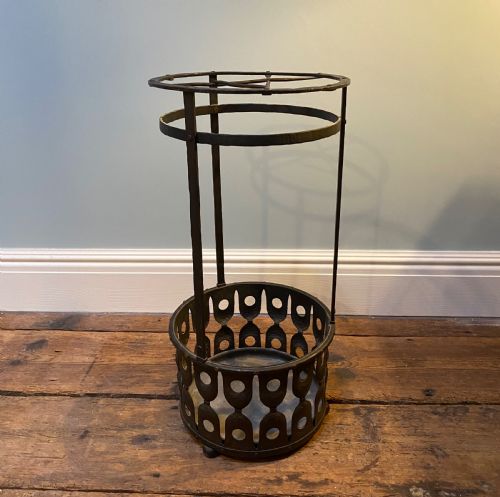
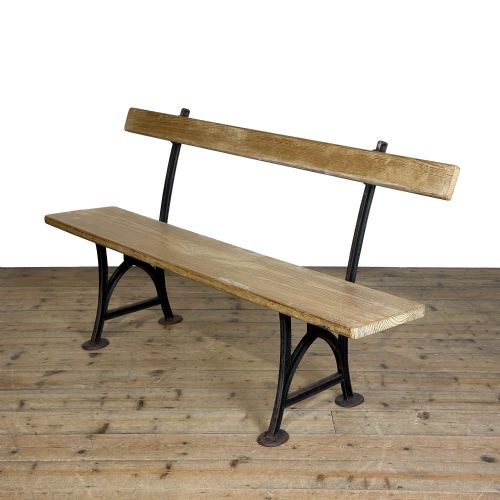
Cast iron, wrought iron, steel and copper form the primary substance of these pieces, often manipulated through casting, forging and riveting. Foundries poured molten iron into sand moulds to create robust structural bases and bench ends, while smiths hammered wrought iron into resilient brackets and frames.
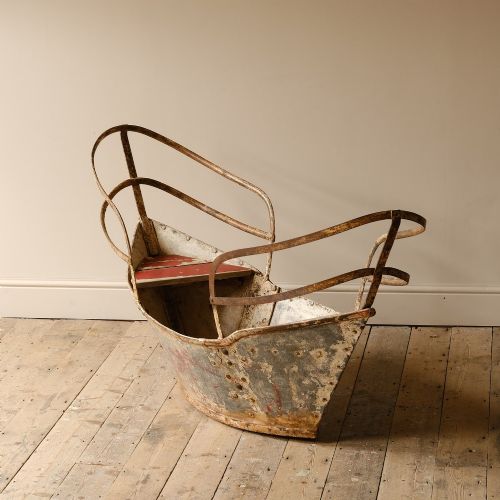
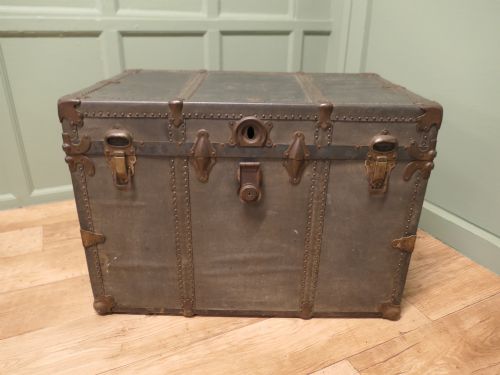
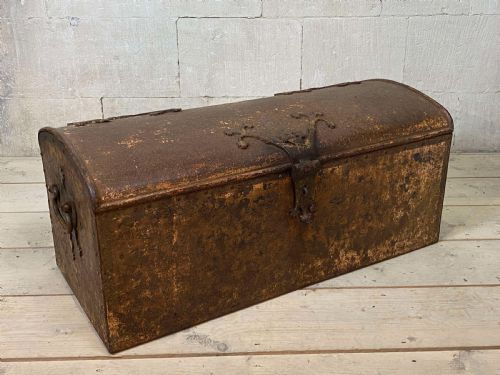
Sheet metal panels were joined with heavy rivets to withstand punishing workplace demands, seen clearly in boilers, trunks and safes. Surfaces frequently retain original painted finishes, enamel layers or natural patination built up from decades of workshop or street exposure.
Industrial Metal Antiques Retail Price Guide 2026
Typical asking prices for industrial metal antiques among the pieces listed under this phrase on Sellingantiques today, from the lower quarter to the upper quarter. They describe what is for sale here now, not the wider market.
Weighing in at a hefty one hundred and forty pounds, the dye maker's mortar certainly earned its keep.
Assessing Quality and Merit
Quality rests in the integrity of the original construction, the thickness of the gauge metal utilised, and the presence of maker's stamps or manufacturer plaques. Pieces retaining genuine working mechanical components, such as functional gears or original locks, command greater interest.
The character of the surface patination distinguishes superior examples, where wear is earned through genuine service rather than artificial distress. Maker attributions through cast lettering or stamped panels elevate the historic value of standard utility items.
Blackstone and Co·James Bruce Glasgow·Tanns Defiance London·John Horner Halifax Pontifex and Stiles·Richard Arkwright Masson Mills·F Whitfield and Co
The Industrial Metal Antiques Glossary
- Cast Iron
- An iron-carbon alloy poured into a mould to form rigid, heavy structural shapes. It is brittle under tension but possesses immense compressive strength.
- Wrought Iron
- Tough, malleable iron worked by hand while hot to produce durable architectural fittings and frames. It resists shock and bending far better than cast alternatives.
- Patina
- The surface texture and coloration developed through age, handling and wear. This layer records the history of use.
- Riveting
- A method of joining metal plates by inserting a metal pin and hammering the tail flat. It provides permanent mechanical fastening before modern welding techniques.
- Vernacular
- Objects made by local craftsmen or manufacturers for everyday functional needs rather than high stylistic movements. These pieces prioritise utility over academic design.
Industrial Metal Antiques: Frequently Asked Questions
What defines industrial metal antiques?
These pieces are utilitarian objects made from iron, steel, brass and copper for factories, shops, offices and domestic workrooms during the nineteenth and twentieth centuries.
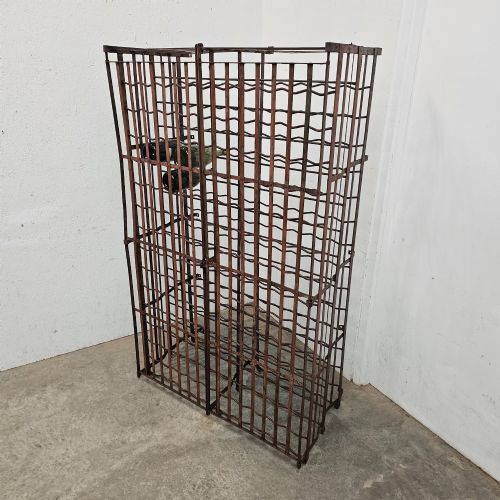
They derive their form entirely from their original function, ranging from heavy storage cupboards and work stools to enamel street signs and wine racks.
How were these metal pieces used originally?
They served practical roles in daily commerce, industry and transport, enduring heavy daily workloads in mills, workshops, trades and public spaces.
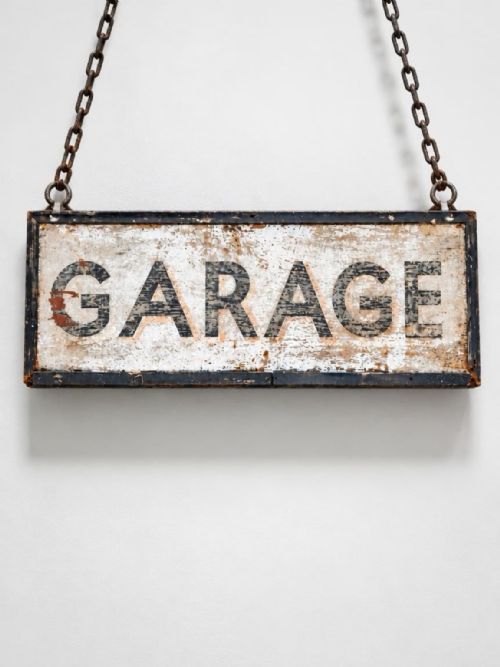
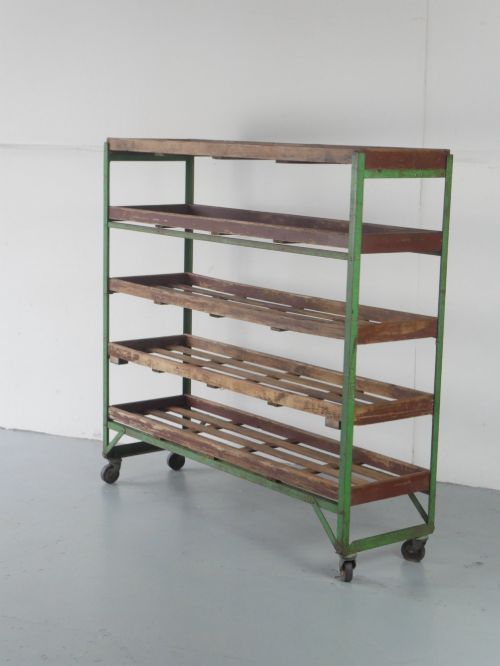
Items such as farrier's anvils, auctioneer signs, dye mortars and bakers' racks were essential tools of trade rather than decorative furnishings.
How do I live with industrial metal antiques?
These robust pieces integrate easily into contemporary spaces by providing functional storage, seating and structural contrast against softer interior textures.
Their durable surfaces require minimal maintenance beyond regular dusting and preserving existing patination without stripping away historic paint or oxidation.
How can I tell the period of a metal antique?
Dating relies on observing manufacturing techniques, such as early cast-iron casting methods, hand-driven rivets, typography on enamel signs, and specific maker marks.
Design styles also shift from ornate Victorian ironwork and Arts and Crafts copper to more streamlined utilitarian twentieth-century engineering forms.