




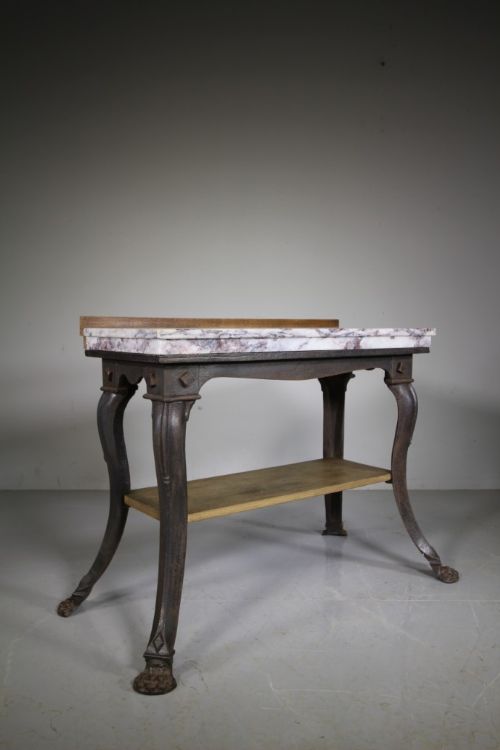
Industrial Iron Stand
An industrial iron stand brings utilitarian strength and structural character into a room, offering functional display space rooted in workshop and commercial history.
Industrial Iron Stand
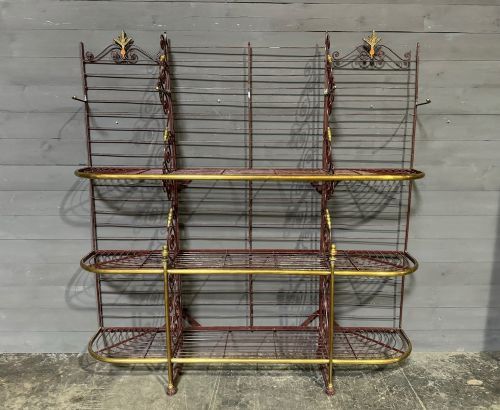
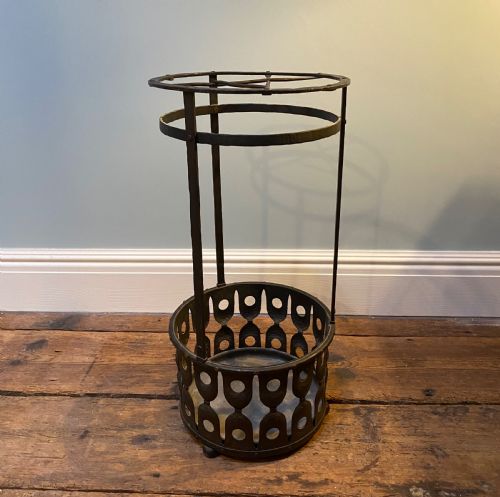
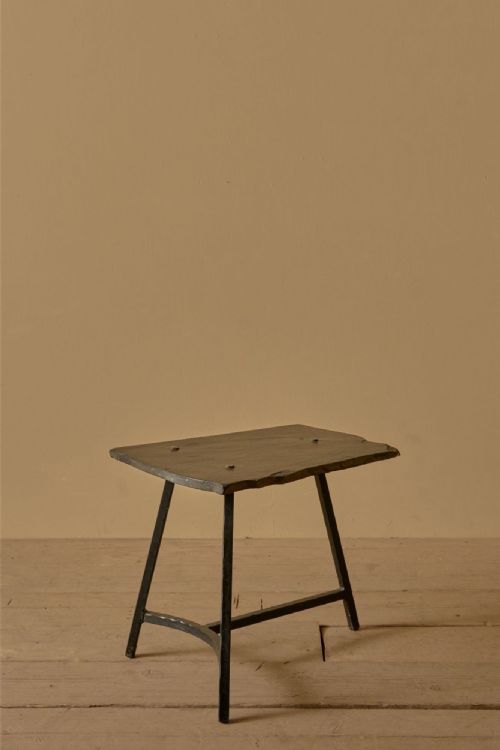
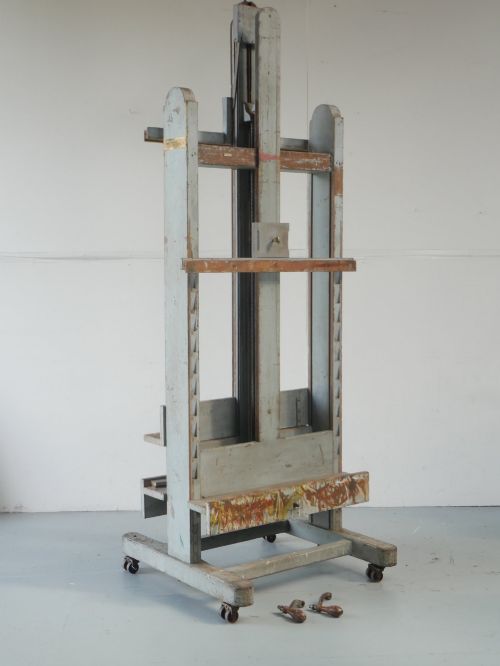
An industrial iron stand encompasses a diverse array of utilitarian objects originating from workshops, retail spaces, and commercial premises during the nineteenth and early twentieth centuries. When searching for an industrial iron stand, buyers encounter pieces ranging from bakers racks and display tables to adjustable studio easels and shop display stands.
The domestic and commercial interiors of the Victorian period and the early twentieth century relied heavily on these robust metal frameworks. Surviving examples reflect specific trades, including millinery, butchery, drapery, and farriery, adapted today for contemporary interior placement.
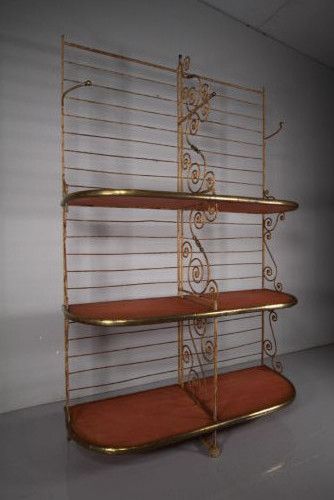
French and English origins dominate the selection, featuring regional characteristics such as Parisian boulangerie racks alongside sturdy British adjustable tables. These pieces bridge the gap between heavy industrial utility and sculptural home furnishing.
Materials and Technique
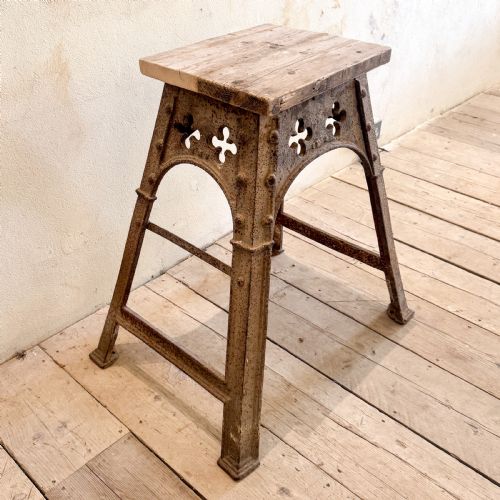
Cast iron and wrought iron form the primary structural backbone for these stands, combined frequently with timber, steel, and brass elements. Blacksmiths and ironfounders utilised casting and forging techniques to create rigid load-bearing frames designed to withstand heavy daily use.
Secondary materials such as marble, slate, glass, and natural timber integrate into table tops, shelves, and backing boards. These diverse surfaces were joined to metal bases using traditional mechanical fasteners, rivets, and mounts suited to demanding trade environments.
Industrial Iron Stand Retail Price Guide 2026
Typical asking prices for industrial iron stand among the pieces listed under this phrase on Sellingantiques today, from the lower quarter to the upper quarter. They describe what is for sale here now, not the wider market.
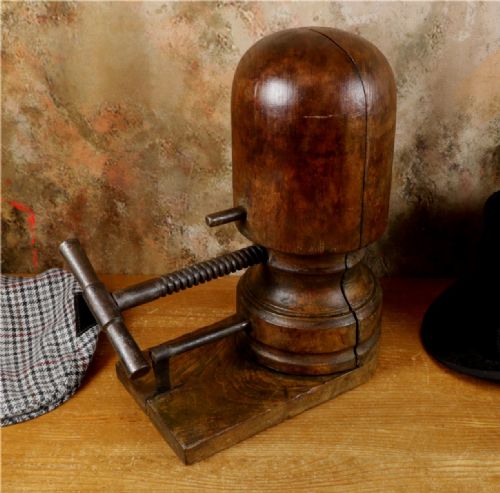
One workshop survivor is an antique milliner's hat sizer designed to stretch felt and shape the crowning glory of historical headwear.
Assessing Quality
The standard of a piece depends heavily on the integrity of its original metalwork and the honesty of its surface wear. Superior examples retain genuine patination acquired through decades of functional use rather than applied decorative finishes.
Mechanical complexity and original adjustability distinguish exceptional pieces from simpler utility items. Stands featuring functional winding mechanisms, swivel joints, or maker stamps demonstrate higher standards of nineteenth and early twentieth-century manufacturing.
Tanns Defiance London·Carters Of London·Fairbanks Scale Co
The Industrial Iron Stand Glossary
- Cast iron
- A hard, brittle alloy of iron and carbon poured into moulds to create rigid structural frames and decorative scrollwork. It provides the heavy foundation for many Victorian display tables and machinery bases.
- Wrought iron
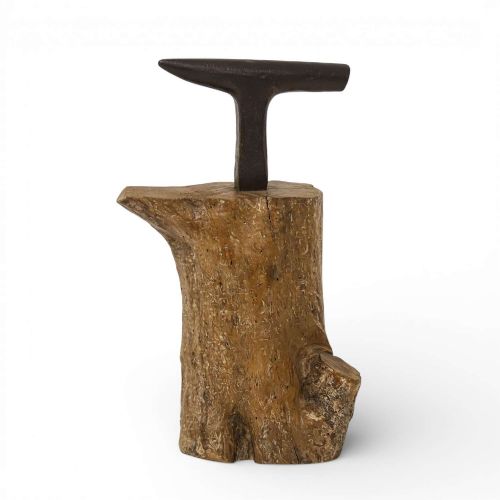
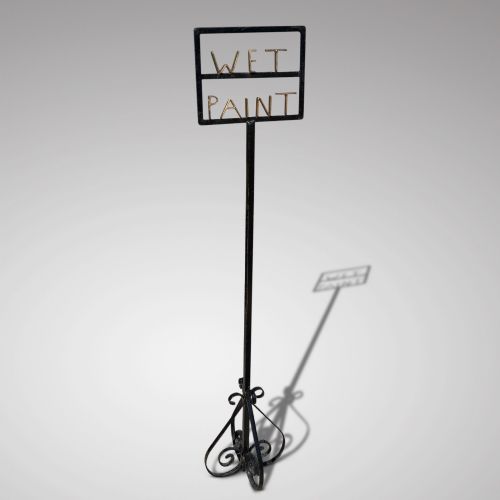
- Tough, malleable iron worked by hand with a hammer and anvil, recognisable by its fibrous grain and bespoke curves. This material appears frequently in structural bakers racks and scrollwork signage.
- Bakers rack
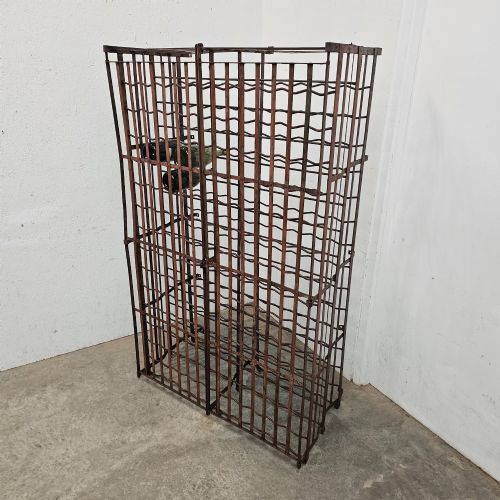
- A tall, open shelving unit constructed from iron and wire mesh, originally used in European bakeries to cool loaves and pastries. They provide versatile vertical storage in modern kitchens.
- Display stand
- A specialised furnishing designed to showcase retail goods, garments, or hats in a shop window or interior. These pieces often incorporate adjustable heights and rotating elements.
- Patina
- The surface sheen and colour acquired by metal, wood, and paint through age, handling, and environmental exposure. Collectors prize untouched patination as proof of authenticity.
Industrial Iron Stand: Frequently Asked Questions
What were industrial iron stands originally used for?
These robust metal stands served functional roles in trade, commerce, and manufacturing environments across the nineteenth and early twentieth centuries. They supported everything from baking trays and heavy shop goods to millinery equipment and artist canvases.
Over time, surviving examples transitioned from commercial utility into domestic spaces. Today, buyers utilise them as practical display units, side tables, and sculptural focal points within modern interiors.
How do I clean and maintain iron stands?
Maintenance requires preserving the existing surface patination while removing surface dust and loose debris with a dry or slightly damp cloth. Avoid harsh chemical cleaners that strip away historical finishes and protective wax layers.
Applying a light microcrystalline wax helps protect exposed iron and timber surfaces from moisture and oxidation. Regular gentle care ensures the original character of the metal remains intact.
How can I tell Victorian pieces from later ones?
Victorian stands typically display heavier cast iron components, hand-forged wrought iron detailing, and traditional mechanical fixings like slotted screws. Their design reflects nineteenth-century trade requirements, heavy manufacturing methods, and classical proportions.
Pieces from the Edwardian era and the 1920s or 1930s often introduce sleeker steel elements, simpler lines, and early industrial machinery adaptations. Examining the manufacturing techniques and material combinations clarifies the era of production.
Are these stands suitable for heavy modern items?
Constructed for demanding commercial trades and heavy industrial use, these stands possess exceptional structural strength and load-bearing capacity. Their original purpose involved supporting heavy blocks, machinery parts, and large quantities of goods.
This inherent durability makes them ideal for holding modern kitchen appliances, televisions, or heavy decorative objects. Their sturdy iron frameworks easily accommodate substantial weight without compromising stability.