




Industrial Architectural Salvage
Industrial architectural salvage brings heavy municipal, factory and fairground pieces into domestic spaces with raw presence.
Industrial Architectural Salvage
Industrial architectural salvage gathers heavy metal elements, street signs and structural fragments pulled from nineteenth and early twentieth century buildings and sites. These pieces carry the utilitarian marks of their original working lives, from municipal yards to fairground rides and factories.
Buyers meet cast iron brackets, sheet metal clock faces, iron hay racks and zinc-framed window mirrors across the selection. The forms reflect both functional engineering and public display, spanning Victorian Gothic details to robust 1930s utilitarian structures.
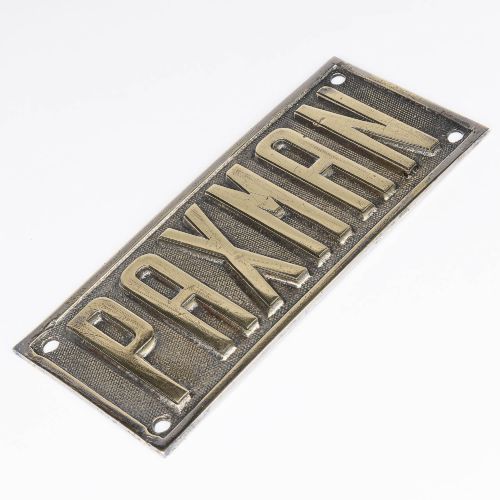
Origins stretch across British workshops and French municipal sites, offering substantial wall art, lamp posts and architectural panels. Every item retains the distinct texture of its industrial or civic function.
How they were made
Foundries shaped heavy cast iron and wrought iron into structural brackets, architectural panels and lamp posts using traditional moulding techniques. Sheet metal and zinc provided durable surfaces for exterior signs and mirror frames.
Original painted finishes, weathered patinas and hand-lettered paper elements record decades of exposure to industrial environments. Brass hardware samples demonstrate precise commercial mounting on wooden display boards.
Industrial Architectural Salvage Retail Price Guide 2026
Typical asking prices for industrial architectural salvage among the pieces listed under this phrase on Sellingantiques today, from the lower quarter to the upper quarter. They describe what is for sale here now, not the wider market.
A nineteenth-century boat ride piece brings the noise and motion of old fairgrounds straight onto a wall.
What varies in quality
Quality rests in the integrity of the original metal casting and the character of surviving surface paint. Heavy cast iron components with crisp, uncompromised moulding stand apart from heavily weathered or structurally compromised examples.
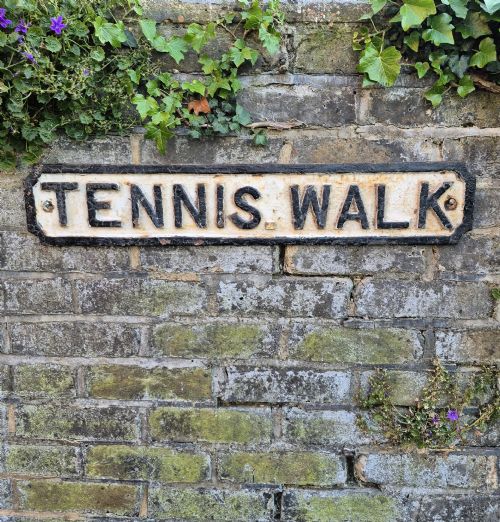
The sophistication of the original design dictates the visual weight of the piece, whether in the fine lettering of a street sign or the scale of a French tower clock face. Intact hardware and original structural fixings preserve historical context.
Gerwin & Co Birmingham·Revo Tipton
The Industrial Architectural Salvage Glossary
- Cast iron
- Molten iron poured into a mould to form rigid architectural panels, brackets and lamp posts. This material provides immense structural weight and durability.
- Wrought iron
- Iron beaten and worked by hand into utilitarian shapes such as hay racks. It offers fibrous strength and distinct manual forging marks.
- Architectural salvage
- Elements rescued from demolished or altered buildings for reuse in interior and exterior design. This category preserves historical building fabric.
- Fairground art
- Large decorative or operational structures sourced from amusement rides, including carved wooden or metal transport pieces. These objects display vibrant vernacular aesthetics.
Industrial Architectural Salvage: Frequently Asked Questions
What is industrial architectural salvage?
Industrial architectural salvage consists of heavy metal fixtures, signs and structural components rescued from utilitarian and municipal buildings. These items were built for function rather than display.
Today, they are repurposed in homes and gardens for their robust materials and historical utility.
How were these metal pieces used originally?
Cast iron panels, brackets and lamp posts provided structural support and street lighting for Victorian and Edwardian towns. Street signs and clock faces directed public movement and time.
Other items like hay racks served agricultural purposes in farm buildings before retirement.
How do I style heavy metal salvage at home?
Large architectural panels and window mirrors anchor open walls and reflect light in industrial or modern spaces. Street signs and clock faces introduce strong focal points.
Pair heavy iron brackets with simple wooden shelving to balance the raw industrial weight.
How do I identify the period of salvage pieces?
Dating relies on material manufacturing techniques, such as nineteenth-century casting methods versus 1930s utilitarian production. Stylistic markers like Victorian Gothic detailing also pinpoint origins.
Maker marks, lettering styles and original paint layers help narrow the exact era.