

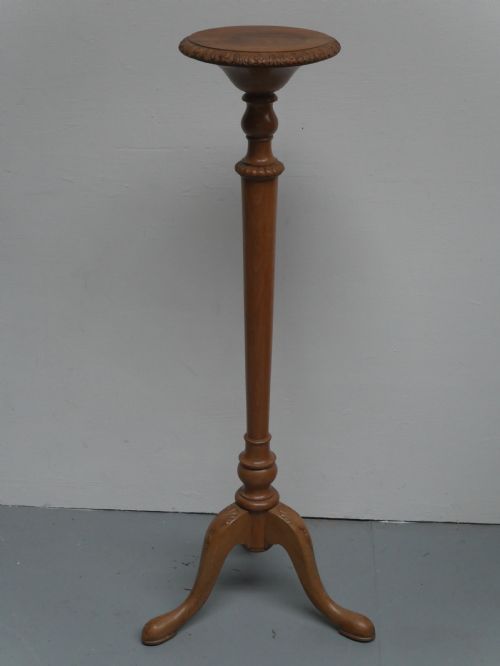


Indoor Plant Pedestal
An indoor plant pedestal lifts greenery above the floor, showing a practical Victorian or Edwardian timber frame that suits a corner of the room.
Indoor Plant Pedestal
An indoor plant pedestal provides a raised surface to display potted plants and jardinieres within a room. When you search for an indoor plant pedestal, you encounter freestanding stands designed to hold heavy planters at a convenient height.
The pieces listed here span the Georgian period through to the 1930s, with Edwardian and Victorian examples appearing most frequently. These tall supports take the form of plant stands, jardiniere stands, and planters paired with matching pedestals.
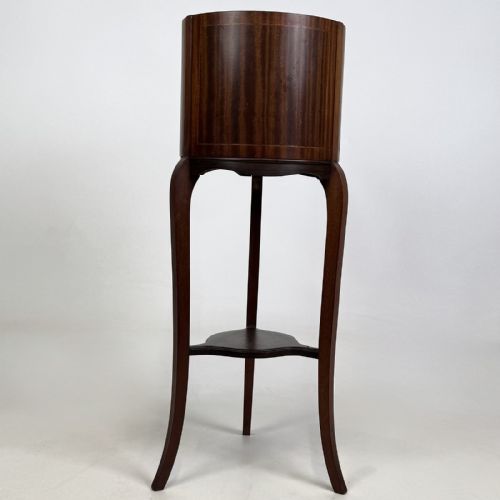
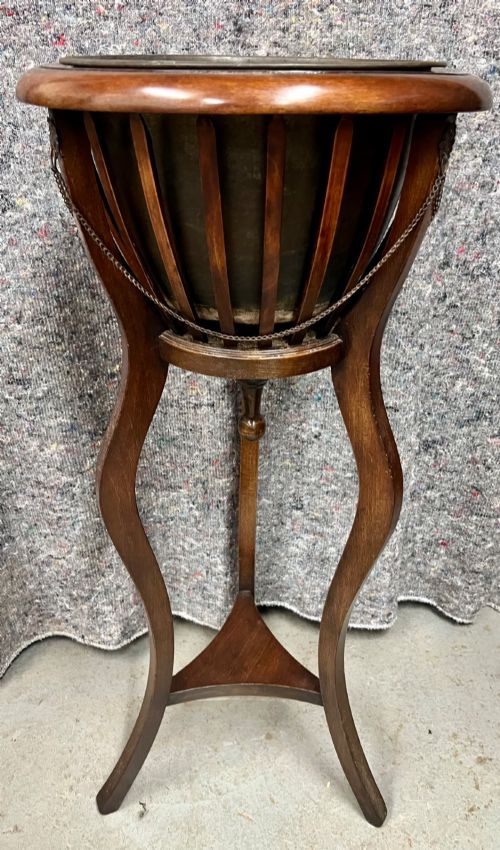
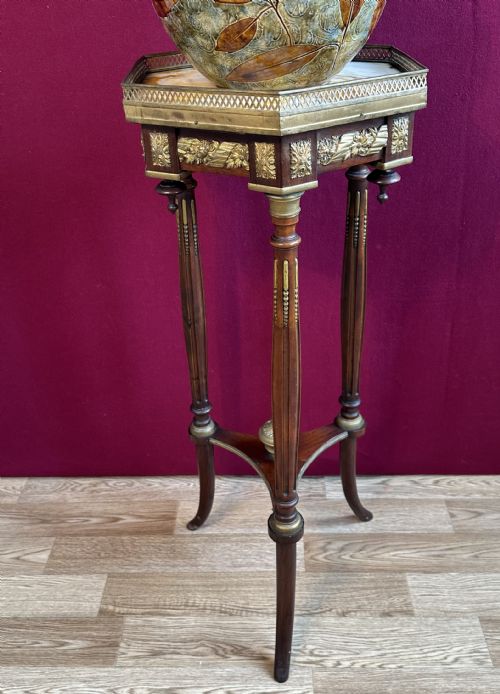
Makers constructed these supports in forms ranging from simple cylindrical columns to elaborate tripod tables and coopered barrels. Their primary function remains displaying decorative foliage, though many serve adequately as display columns for vases or sculptures.
Materials and construction methods
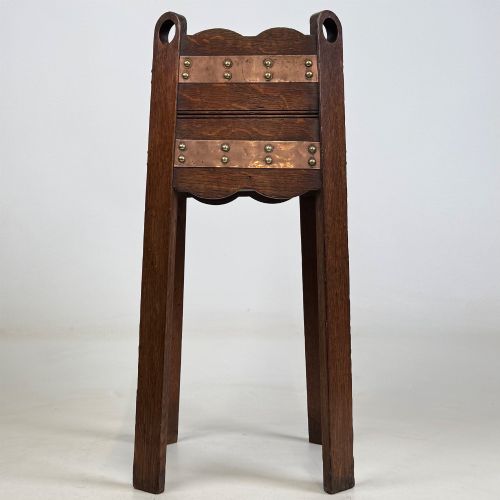
Makers relied heavily on dense hardwoods such as mahogany, oak, and walnut, often shaping them with turned columns or carved details. Selected pieces incorporate decorative elements like box tree inlay or contrasting brass fittings to enhance the timber grain.
Metal and stone alternatives also feature across the inventory, including cast iron, copper, and carved alabaster. Coopered barrel construction appears in oak examples, utilising tight-fitting wooden staves bound with metal hoops to hold moisture-heavy planters.
Indoor Plant Pedestal Retail Price Guide 2026
Typical asking prices for indoor plant pedestal among the pieces listed under this phrase on Sellingantiques today, from the lower quarter to the upper quarter. They describe what is for sale here now, not the wider market.
What separates the fine examples
Quality rests in the choice of timber and the precision of the joinery rather than the sheer height of the stand. Pieces displaying carefully matched mahogany veneers, crisp carving, or meticulous brass banding stand apart from plain utility stands.
Stability under weight marks the distinction between a robust display piece and a fragile stand. Well-balanced tripod bases or heavy weighted columns ensure the stand safely supports a loaded jardiniere without wobbling.
The Indoor Plant Pedestal Glossary
- Jardiniere
- An ornamental pot or container for plants and flowers. These vessels often sit atop a matching pedestal.
- Coopered
- Constructed from wooden staves joined edge-to-edge and bound with metal hoops. This technique is typical of barrel-style planters.
- Inlay
- A decorative technique where contrasting materials are inserted into recessed portions of the base timber. Box tree wood frequently provides this contrast.
- Alabaster
- A fine-grained, translucent stone used for carving decorative objects. Stands carved from this material offer a pale, smooth finish.
Indoor Plant Pedestal: Frequently Asked Questions
What is an indoor plant pedestal used for?
An indoor plant pedestal elevates potted plants, ferns, and floral arrangements to eye level within a living space. This elevation protects flooring from water drainage while showcasing the plant as a decorative focal point.
Historically, homeowners used these stands in drawing rooms and hallways to display prized indoor specimens. They continue to serve this exact function in modern interiors.
How do I date an indoor plant pedestal?
Dating relies on identifying the prevailing styles, woods, and construction methods associated with specific decades. For instance, heavy mahogany with satinwood inlay points toward the Edwardian era, while coopered oak often indicates vernacular craftsmanship.
Examining the underside, screw types, and tool marks helps confirm the period of manufacture. Comparing the silhouette against known Victorian or Georgian design books provides further clarity.
Are these stands sturdy enough for heavy plants?
Most antique pedestals were engineered to support substantial earthenware pots filled with damp soil. Solid oak, mahogany, and cast iron variants offer significant weight capacity and stability.
Tripod bases and wide columnar designs distribute weight evenly across the floor. Checking the tightness of the joints ensures the stand remains secure under load.