



Indian Painted Lamp
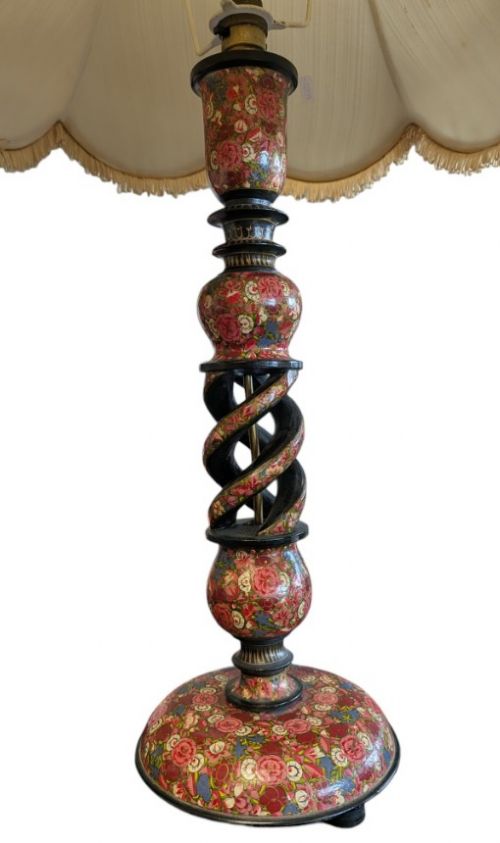
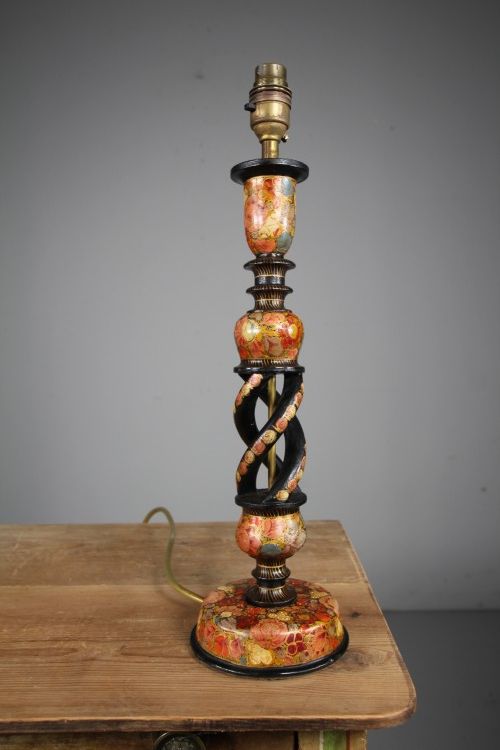
These indian painted lamp pieces bring vivid Kashmiri folk art colour and intricate pattern directly into a room.
Indian Painted Lamp
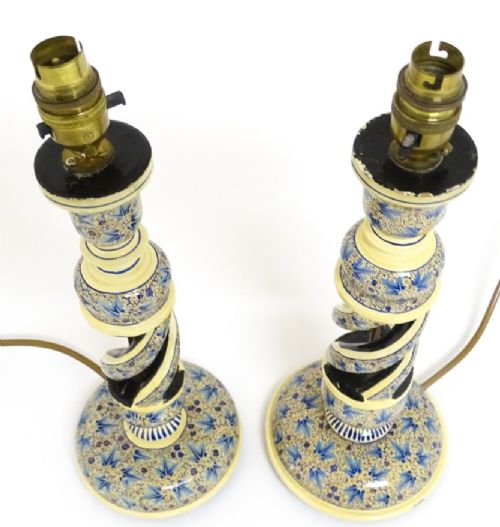
An indian painted lamp delivers vibrant colour and traditional patterns straight from Kashmir into your interior spaces. These items take the form of table lamps and tall twist designs rooted in early twentieth century and Victorian periods.
Most examples you encounter on this page date from the nineteen twenties and nineteen thirties, alongside Victorian brass painted pieces and nineteenth century work. They often appear as pairs or singular statement items alongside the occasional red lacquer table.
The dominant origin across the listings is Kashmiri, spanning Kashmiri folk art and Anglo-Indian styles. Makers utilised wood, papier-mache, lacquer, and brass to build these distinctive decorative objects.
How they were made
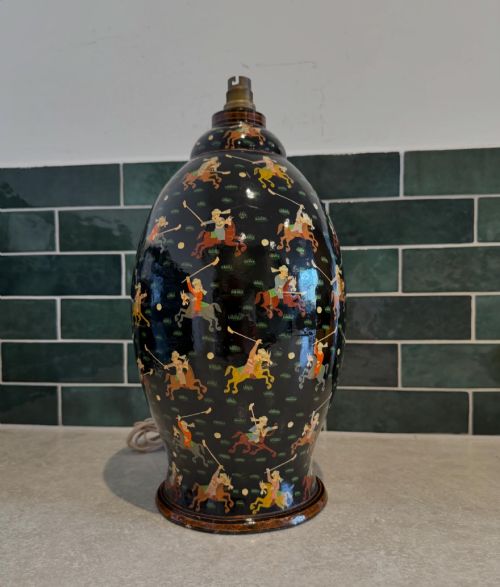
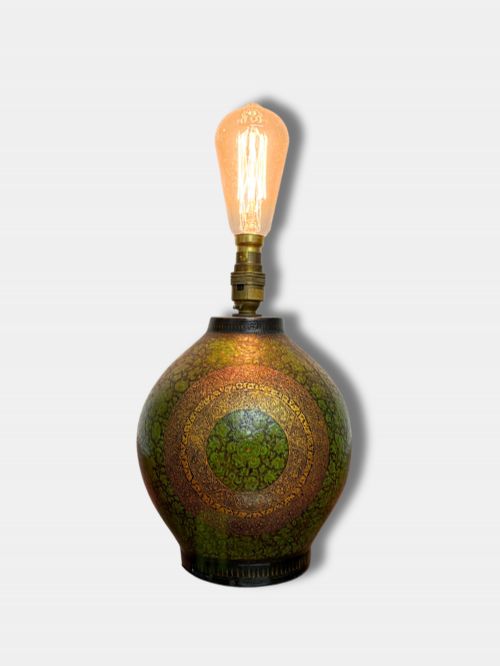
Makers shaped these bodies from wood, carved wood, and papier-mache, applying layers of lacquer and gilt gold paint over the surfaces. Papier-mache provides a smooth ground for intricate hand-painted detailing.
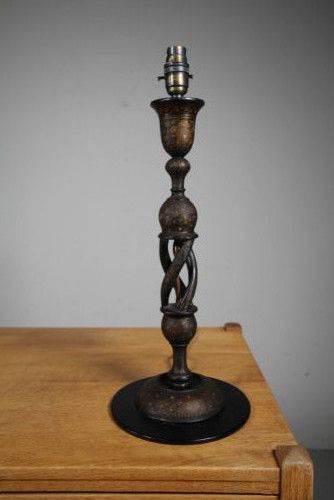
Brass serves as an alternative structural material for painted lamps, offering a heavier metallic base for the decoration. Artisans finished wooden forms with twist turnings and hand-painted motifs in green, red, and gold pigments.
Indian Painted Lamp Retail Price Guide 2026
Typical asking prices for indian painted lamp among the pieces listed under this phrase on Sellingantiques today, from the lower quarter to the upper quarter. They describe what is for sale here now, not the wider market.
Materials across the inventory include lacquer, brass, wood, papier-mache, fabric, carved wood, and lacquered wood.
What varies in quality
The finesse of the hand-painted detailing and the crispness of the gilt gold application set the standard for these objects. Finer pieces display tighter patterns and richer colour saturation across the lacquer or papier-mache surface.
Proportion and scale also separate standard domestic items from enormous or tall twist examples that require greater skill to turn and balance. The integrity of the underlying carved wood or papier-mache determines the overall solidity of the body.
The Indian Painted Lamp Glossary
- Lacquer
- A durable resin finish applied to wooden and papier-mache surfaces. It protects the hand-painted pigments underneath and provides a glossy sheen.
- Papier-mache
- A composite material made from paper pulp or layers of paper bound with glue. Artisans moulded this substance to form lightweight lamp bodies before painting.
- Anglo-Indian
- A design style blending British Victorian forms with traditional Indian craftsmanship. This aesthetic frequently appears in decorative objects imported during the colonial period.
- Twist
- A spiral carved column shape utilised on wooden lamp standards. This technique creates dynamic movement along the vertical axis of the piece.
Indian Painted Lamp: Frequently Asked Questions
What periods do these lamps come from?
The available selection spans the Victorian era, the nineteenth century, and the early twentieth century. Most examples cluster around the nineteen twenties and nineteen thirties.
These dates reflect traditional manufacturing periods in Kashmir and the broader British colonial influence on Indian export goods.
How do I care for papier-mache lamps?
Papier-mache requires gentle dusting with a dry cloth to protect the delicate lacquer and hand-painted surface layers. Keep these items away from direct moisture and extreme temperature fluctuations.
Avoid chemical cleaning products that might lift the gilt gold or soften the underlying painted finish.
What materials make up these lamp bodies?
Makers constructed these objects primarily from wood, carved wood, papier-mache, and brass. Surfaces received coatings of red or green lacquer combined with gilt gold paint.
Some examples also incorporate fabric elements and specialised lamp holders appropriate to their period of manufacture.