



Indian Folk Painting
These indian folk painting works bring vivid narrative and vibrant pigment to interiors, offering an authentic slice of traditional storytelling.
Indian Folk Painting
When you search for indian folk painting, you encounter a diverse array of objects spanning temple hangings, wall cloths, and decorated containers. These pieces capture traditional motifs, often illustrating Hindu stories or mythological figures through bold visual storytelling.
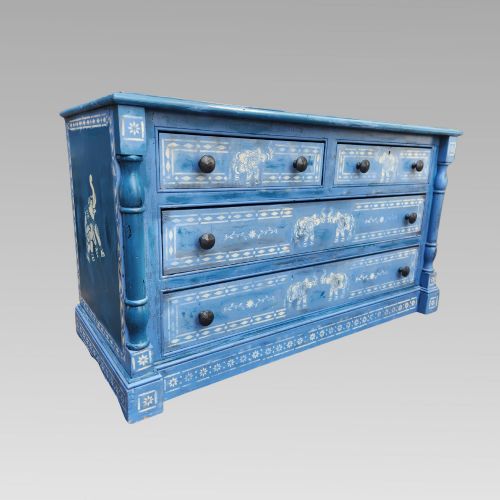
The selections available here range widely across the nineteenth and early twentieth centuries, including Edwardian examples alongside pieces from the 1920s and 1930s. You will find textile wall art, painted wooden cabinets, and papier-mache vessels repurposed as lamps.
Many of these works originate directly from regional traditions such as Rajasthani styles and traditional Kalamkari methods. They serve as striking focal points in modern interiors, blending historic craftsmanship with distinct cultural narratives.
How they were made
Makers utilised natural materials including cotton, wood, and pine as surfaces for intricate application. Pigments and paint were carefully layered onto textiles, paper pulp, and carved wooden structures to create enduring visual depth.
Techniques combine traditional hand-painting methods with fine carving on structural elements like cupboards, chests, and architectural finials. Artisans applied bright polychrome finishes to give figures and narrative scenes a lasting vibrancy.
Indian Folk Painting Retail Price Guide 2026
Typical asking prices for indian folk painting among the pieces listed under this phrase on Sellingantiques today, from the lower quarter to the upper quarter. They describe what is for sale here now, not the wider market.
Listings feature items dated from the 19th century through the 1930s, incorporating materials like cotton, pine, papier-mache, and terracotta.
What varies in quality
The distinction between standard and exceptional pieces rests upon the fineness of the brushwork and the preservation of the original pigment. Works featuring crisp narrative detail and intact polychrome surfaces command greater visual presence.
Structural integrity also plays a role, particularly in larger items like cupboards and chests where original hardware and stable timber construction elevate the piece. The complexity of the mythological scenes depicted adds further distinction.
The Indian Folk Painting Glossary
- Kalamkari
- A traditional style of hand-painted or block-printed cotton textile produced in India. This technique often employs earthy pigments to depict elaborate mythological narratives.
- Polychrome
- The practice of decorating architectural elements or sculptures in a variety of bright colours. It enhances the visual dynamism of wooden figures and furniture.
- Papier-mache
- A composite material consisting of paper pieces or pulp bound with glue, moulded into shapes and painted. It provides a lightweight yet sturdy base for decorative vessels.
- Tent Pole Top
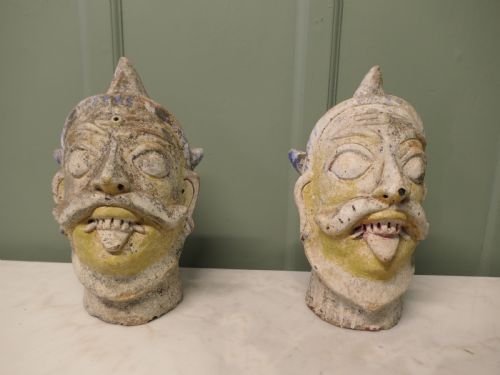
- An architectural finial traditionally carved from wood or terracotta to ornament large structures. These decorative elements display regional sculptural motifs.
Indian Folk Painting: Frequently Asked Questions
What subjects appear on these painted works?
The artwork frequently depicts traditional Hindu stories, deities such as Krishna, and scenes involving mythological figures.
These narratives are expressed through textile wall hangings, wall cloths, and painted panels designed to convey cultural histories.
How are these painted objects used in interiors?
Smaller items like painted papier-mache containers function effectively as converted lamp bases on side tables.
Larger painted cupboards, chests of drawers, and textile wall art serve as striking focal points in living spaces.
How do I care for antique painted textiles?
Keep textile wall hangings and painted wall cloths away from direct sunlight to preserve the natural pigments.
Ensure rooms maintain stable humidity levels to protect both the delicate cotton fibres and the painted wooden elements.
How do I date these traditional pieces?
Dating relies on examining the specific type of pigment, the wear on the wooden or cotton substrate, and stylistic markers.
Pieces on this page largely span the nineteenth century through to the 1930s, reflecting distinct period aesthetics.