


Impressionist Street Scene Oil
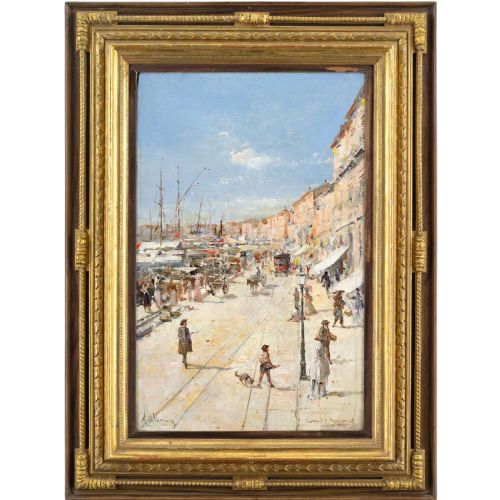
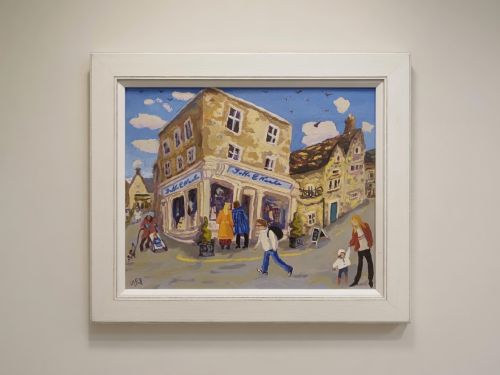
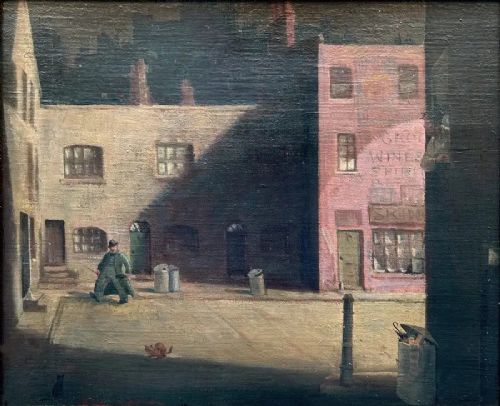
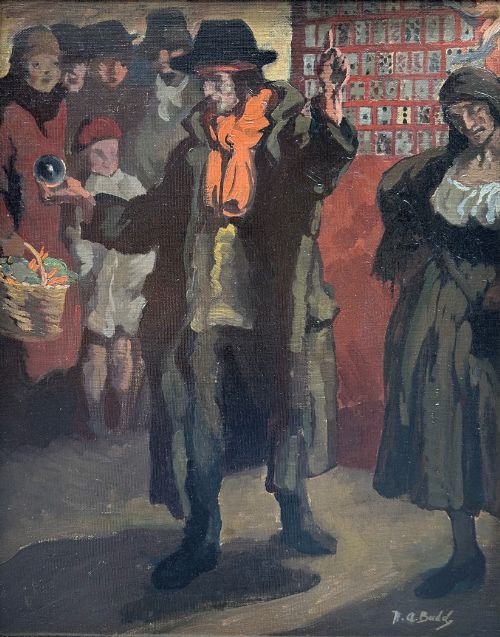
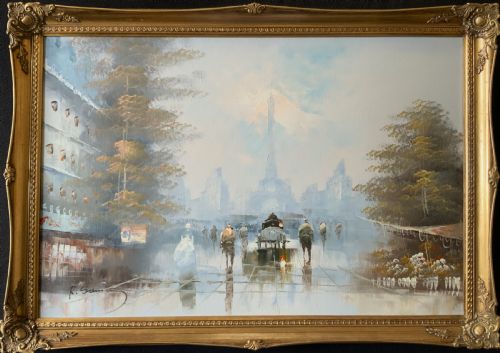
An impressionist street scene oil brings the bustle of city squares and sunlit pavement directly onto the wall in rich pigments.
Impressionist Street Scene Oil
An impressionist street scene oil captures urban life, town squares, and architectural vistas through loose brushwork and vibrant light effects. These works span from the nineteenth century through the mid-twentieth century, recording European and global cityscapes.
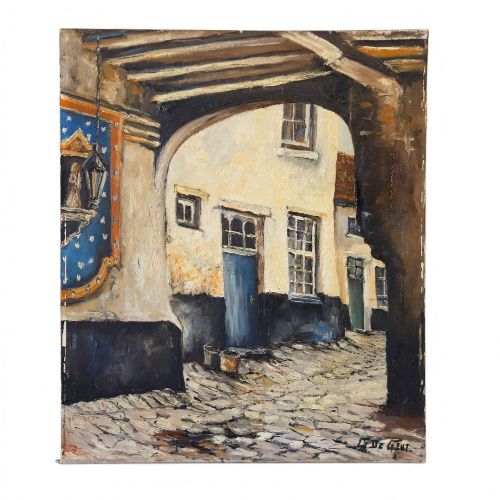
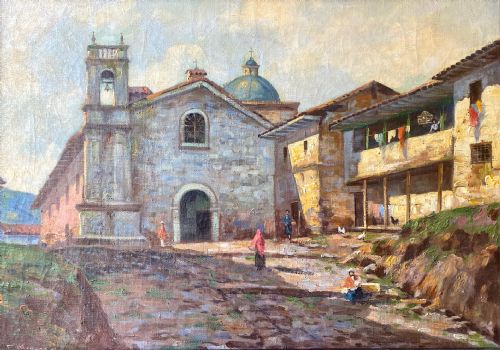
The version most commonly met on this page is the Parisian boulevard or provincial town view rendered on canvas, often housed in a gilded frame. Such paintings range from quiet Flemish lanes and Mediterranean coastal towns to bustling Latin American plazas.
Makers and painters represented here include named artists working in distinct regional styles such as Post-Impressionism and Mid-Century Modern. Each piece documents a specific urban or village atmosphere through the lens of individual artists.
How They Were Made
These works are painted primarily with oil paint on canvas or wood panels, utilising the slow drying time of oils to blend pigments directly on the support. Artists apply thick impasto or thin washes to capture fleeting effects of light and shadow.
Many surviving examples are mounted in period frames made of gilded wood or gilt wood, which complement the tonal range of the painted scenes. The physical support varies between stretched canvas and rigid board.
Styles represented include Post-Impressionism, 20th Century Realism, and Mid-Century Impressionism.
What Varies in Quality
The strength of composition and the handling of light separate more accomplished works from simpler decorative pieces. Finer examples demonstrate a confident control of perspective and atmospheric depth within the urban setting.
The interaction between the painted surface and the original frame also affects the overall integrity of the piece. Superior paintings maintain clear definition in figures and architecture despite the loose impressionistic brushwork.
Augusto Alberici·Lucy Pratt·Francisco Sancha·Herbert Ashwin Budd·L. De Gent·Caroline Burnett·Victor Gabriel Gilbert·Merio Ameglio·Cecil R. Doyly-John·Eduard Leon Cortes·V. Zirakian·Donald Wood·Paul Paul·Christiaan Pieter Snyders·Letitia Marion Hamilton·Antal Berkes
The Impressionist Street Scene Oil Glossary
- Impressionism
- A style of painting that focuses on the accurate depiction of light in its changing qualities and ordinary subject matter. It relies on small, thin, yet visible brush strokes.
- Canvas
- A closely woven fabric used as a support surface for oil paintings. It is typically stretched over a wooden frame before painting.
- Impasto
- A technique where paint is laid on an area of the surface in very thick layers. This texture causes paint to stand out from the surface.
- Gilt Wood
- Wood that has been treated with a thin layer of gold leaf or gilt. It is commonly found on traditional picture frames.
- Post-Impressionism
- A predominantly French art movement that developed from Impressionism. Artists extended Impressionism while rejecting its limitations.
Impressionist Street Scene Oil: Frequently Asked Questions
Where were these paintings displayed?
These oil paintings were typically created for domestic interior display, hanging in sitting rooms and galleries to bring outdoor urban atmosphere inside. Collectors placed them to catch domestic light and enhance room decor.
Over time, cityscapes found homes in both traditional and contemporary interiors, serving as conversational focal points on living room or hallway walls.
How do I clean an oil painting?
Dust accumulation on canvas or wood panels should be removed gently using a soft, dry artist brush without applying pressure. Liquid cleaners must be avoided to protect fragile pigment layers.
Professional conservators should handle any deep cleaning or varnishing removal to prevent accidental damage to the original oil paint surface.
How do I date a street scene oil?
Dating relies on stylistic clues, framing materials, and the recorded active periods of identified artists. Clothing styles and architecture depicted within the scene also offer chronological markers.
Backings, stretcher bars, and framing construction methods provide additional physical evidence for determining the age of the piece.
Are these works signed by artists?
Many of the listed paintings bear signatures or monograms applied by the artist within the composition, often located in a lower corner. Unsigned works rely on stylistic attribution and archival records.
Signatures vary from clear legible lettering to cursive initials integrated into the texture of the street scene.