




Impressionist Pastel Art
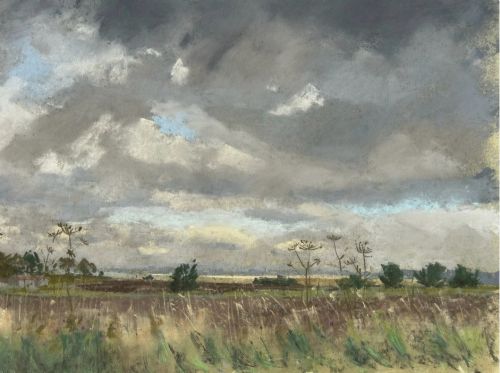
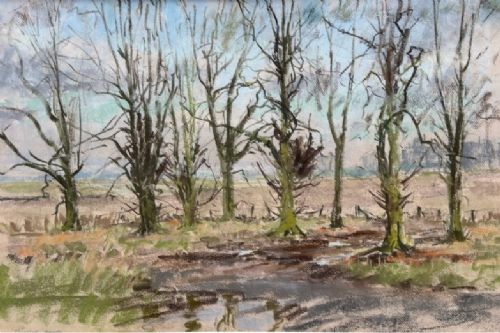
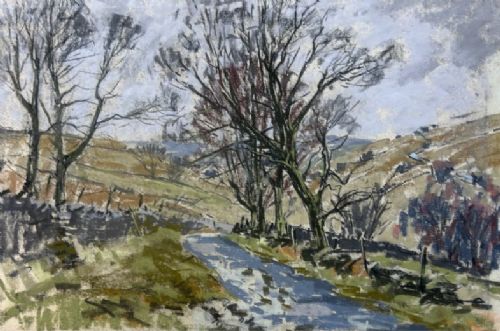
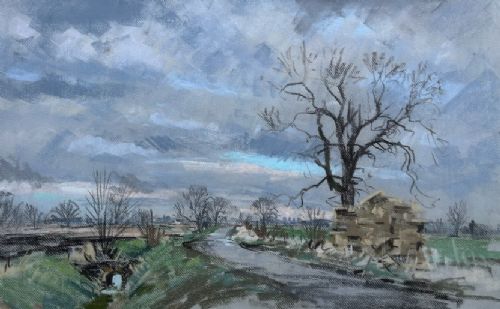
Impressionist pastel art captures fleeting light and atmosphere through powdery pigment on paper, offering buyers intimate moments rendered by twentieth-century hands.
Impressionist Pastel Art
When searching for impressionist pastel art, buyers encounter works executed primarily on paper, wood, and canvas, spanning from the late nineteenth century through to the mid-twentieth century. The selection ranges from British impressionism and modern British schools to continental European and Canadian scenes.
The most common formats on this page include framed artwork, wall art, and pastel drawings depicting landscapes, townscapes, harbours, and portraits. Pieces often bridge movements such as post-impressionism and mid-century modernism.
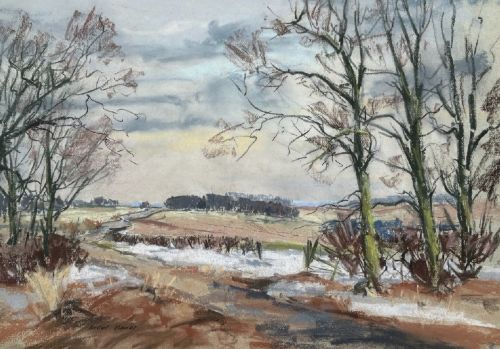
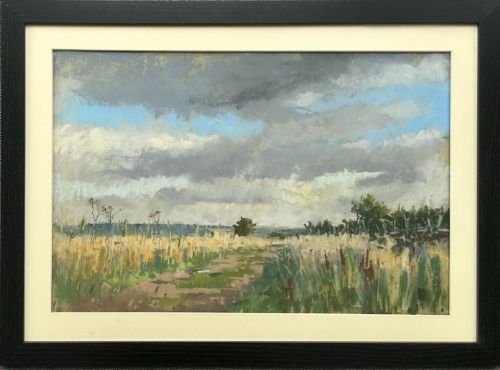
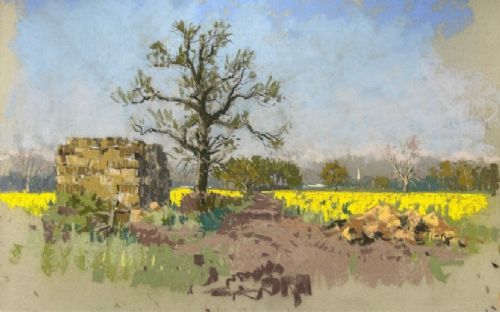
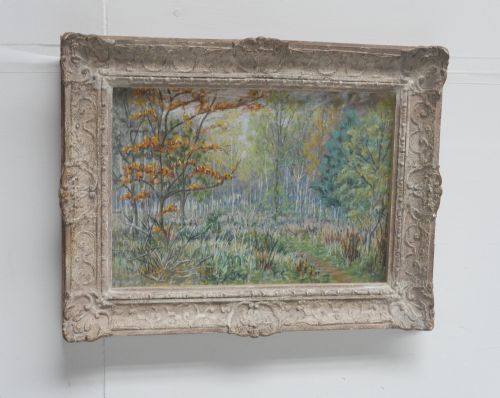
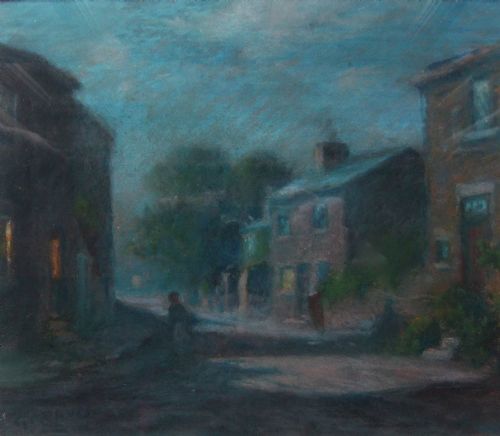
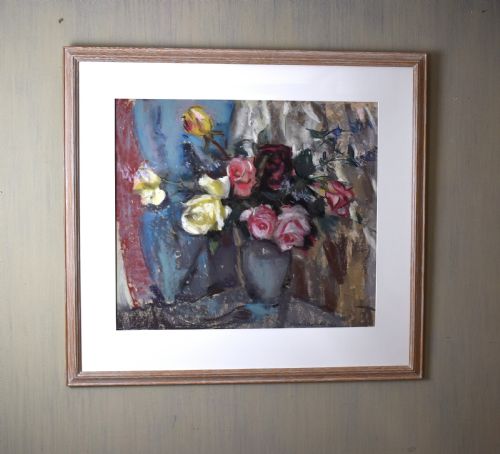
Subjects vary from quiet woodland and river scenes to bustling city streets and floral still lifes. Each piece reflects the characteristic loose handling of pigment associated with impressionist traditions.
Materials and technique
Artists form these works using pastel sticks on paper or card, frequently combining pastel with watercolour or oil paint to build layered depth. The friable pigment is typically protected beneath glass within wood or gilt wood frames.
The technique relies on rapid marks and blended strokes rather than hard lines, capturing transitory effects of light, weather, and time of day. Support boards and canvases provide rigidity where heavier oil paint or mixed media is introduced alongside the pastel.
Impressionist Pastel Art Retail Price Guide 2026
Typical asking prices for impressionist pastel art among the pieces listed under this phrase on Sellingantiques today, from the lower quarter to the upper quarter. They describe what is for sale here now, not the wider market.
One piece captures a snowy Rouen harbour, proving that even French impressionists occasionally preferred a heavy woollen coat to a sunlit garden.
Judging quality
Quality rests upon the sureness of the hand and the artist's ability to render atmosphere and light with economy of stroke. Superior works display a confident deployment of tone and colour harmony that brings the subject to life without overworking the surface.
The preservation of the pigment layer also distinguishes finer examples, as unstable powdery mediums require careful framing to prevent loss. Strong provenance and attribution to recognised regional or international schools elevate the standing of any individual piece.
William Greaves·Gyrth Russell·Berthe des Clayes·Lena M Alexander·Henry Wimbush·Walter Holmes·Augustus William Enness·Gaston Bouy·Delâtre·Angus Rands·Lamorna Birch R.A.
The Impressionist Pastel Art Glossary
- Pastel
- A dry painting medium consisting of powdered pigment combined with a binder. It is applied directly to paper to create rich velvety colour effects.
- Post-Impressionism
- An art movement developing roughly from the late nineteenth century that rejected impressionist naturalism in favour of more expressive forms and symbolic use of colour.
- Gilt wood
- Wood coated with a thin layer of gold leaf or gold-coloured pigment. It is commonly found on traditional frames enclosing works on paper.
- Framed artwork
- A completed piece enclosed within a protective border and glazing. This format secures delicate pastel surfaces against physical disruption.
Impressionist Pastel Art: Frequently Asked Questions
What is impressionist pastel art?
It is artwork created using dry pigment sticks on paper, capturing light, movement, and atmosphere through loose, expressive marks rather than precise detail.
The style developed in the late nineteenth century and continued through the twentieth century across British, European, and Canadian schools.
How should I hang pastel art?
Pastel works require protection behind glass and sturdy framing to prevent the powdery pigment from shifting or collecting moisture.
Keep them away from direct sunlight to preserve the fugitive colours of the original pigments over time.
How do I identify periods?
Dating relies upon framing styles, artist signatures, paper types, and the stylistic markers of movements such as mid-century modernism or post-impressionism.
Subject matter and regional dress or architecture also provide reliable clues to the decade of creation.
Were these works used as studies?
Some pastels served as quick preparatory sketches for larger oil paintings, while others were completed as finished exhibition pieces in their own right.
The presence of a signature or elaborate framing often indicates the artist intended the pastel to stand alone.