



Impressionist Oil on Board
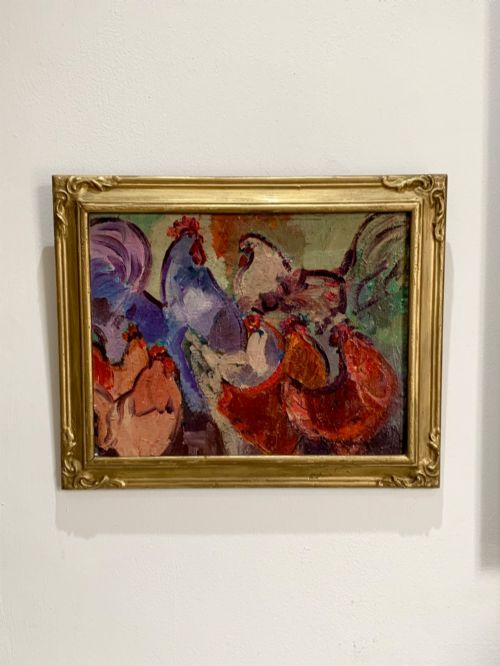
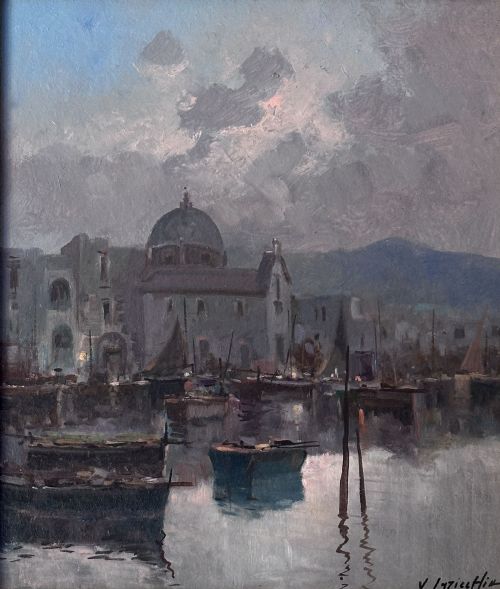
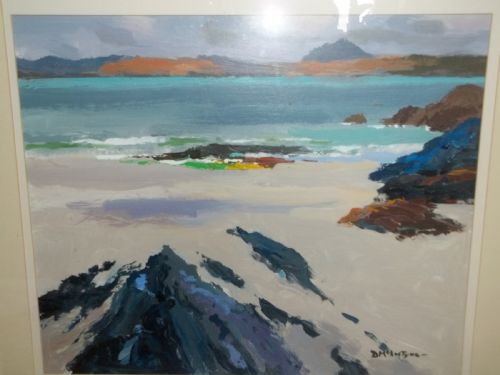
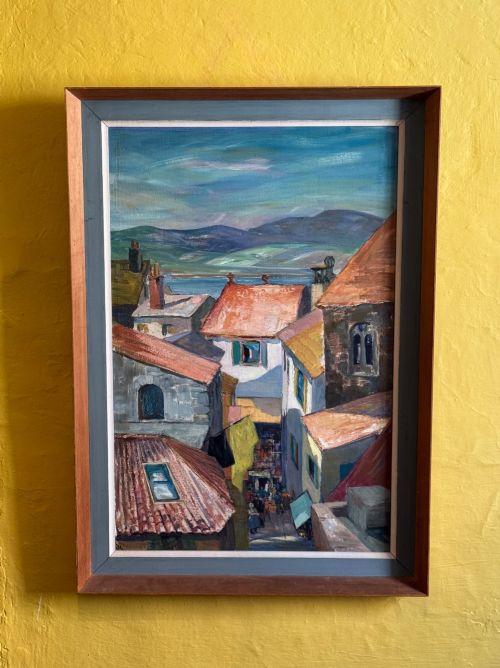
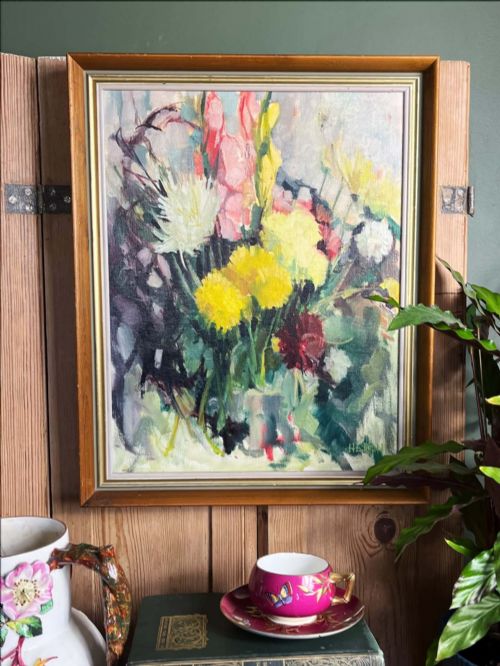
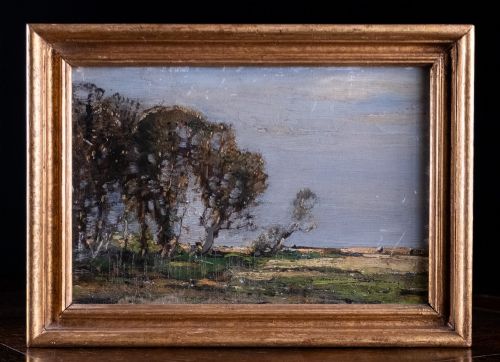
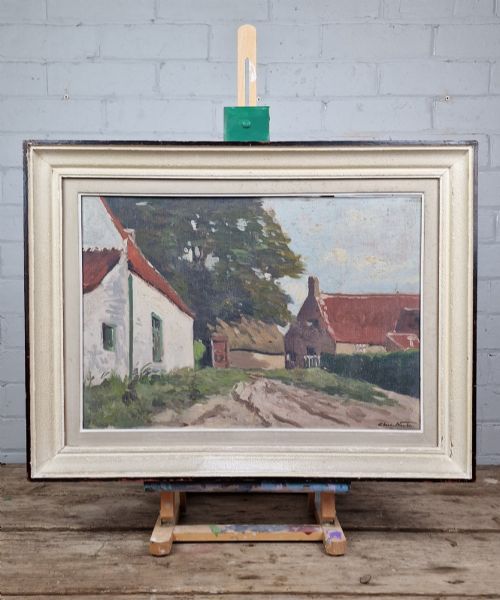
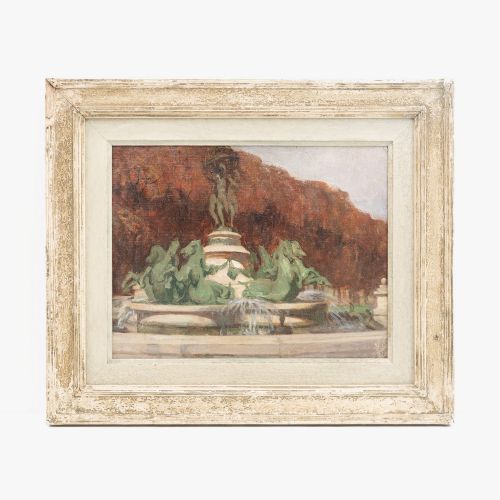
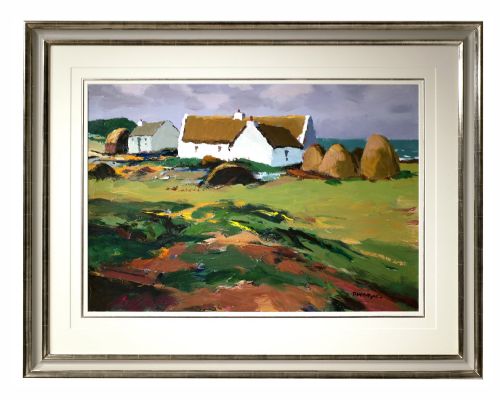
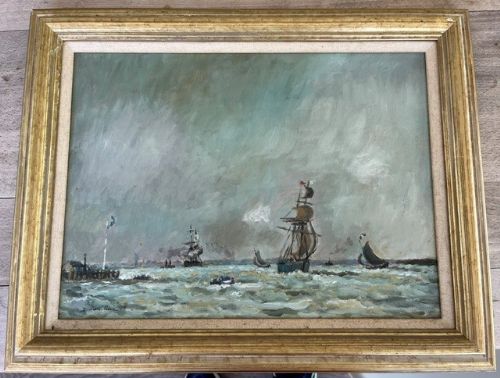
When you seek an impressionist oil on board, you find vibrant strokes and swift captures of light across landscapes, street scenes, and intimate interiors.
Impressionist Oil on Board
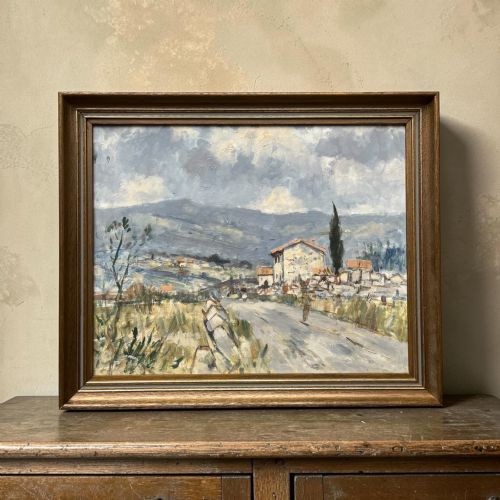
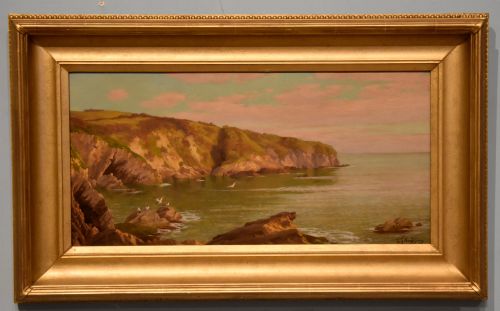
An impressionist oil on board captures fleeting atmospheric effects and rapid studies of light, shifting away from rigid academic detail. These works frequently record plein air observations, preserving the immediate mood of a landscape or coastal view.
The selections available here span from the Edwardian era through mid-century modern movements, encompassing British, French, and Scottish regional schools. Buyers encounter diverse subjects ranging from quiet farmyards and Yorkshire moors to bustling Parisian streets and sunlit Norman cliffs.
Most pieces utilise rigid supports rather than stretched fabric, offering a sturdy surface that readily accepts thick, textured pigment. This format suits artists who prefer swift application and portability for outdoor painting expeditions.
How They Were Made
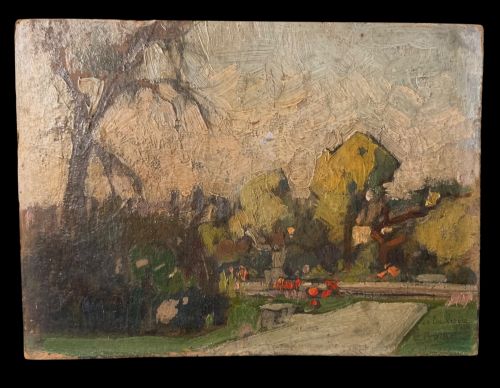
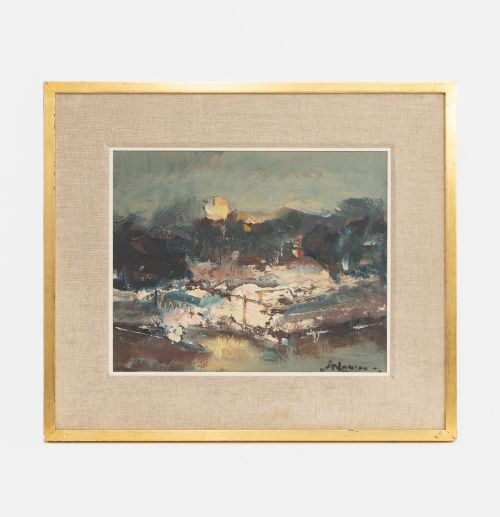
Artists apply oil paint directly onto prepared wooden panels, thick card, or canvas board using brisk brushwork or palette knives. This technique builds physical depth through layered pigments while retaining the swift energy of the initial application.
The underlying support provides rigid resistance, allowing painters to work wet-in-wet without the flex associated with stretched fabric. Gilt and wooden frames frequently accompany these panels, completing the presentation.
Impressionist Oil on Board Retail Price Guide 2026
Typical asking prices for impressionist oil on board among the pieces listed under this phrase on Sellingantiques today, from the lower quarter to the upper quarter. They describe what is for sale here now, not the wider market.
What Varies in Quality
Superior examples demonstrate confident handling of tone and light, where every brushstroke contributes to the atmospheric tension of the scene. Lesser works often rely on formulaic repetition rather than genuine observation of natural colour relationships.
The strength of the composition and the artist's ability to suggest form with minimal detail elevate a panel from a simple sketch to a compelling collector's piece. Preservation of the pigment layer without extensive overpaint ensures the original touch remains visible.
Kershaw Schofield·Charles Houben·Donald McIntyre·Alexander Jamieson·William JB Jenkins·Florence Adelina Hess·William Greaves·Herbert Royle·Peter Jackson·William Hatherell·Henry Sanders·Ernest Higgins Rigg·John Falconar Slater·George Smith RSA·Albert de Belleroche·Donald Wood·Hermoine Hammond·Maurice Vaumousse·Emile Walters
The Impressionist Oil on Board Glossary
- Impressionism
- A nineteenth-century painting style focusing on the accurate depiction of light and its ephemeral qualities. Artists utilise small, thin yet visible brush strokes.
- Plein air
- Painting outdoors to capture direct observations of natural light and landscape. Practitioners work quickly before atmospheric conditions shift.
- Impasto
- Paint applied thickly to a surface, leaving areas where the strokes stand out visibly from the board. This technique adds tactile dimension to water or foliage.
- Post-Impressionism
- A predominantly French art movement developing roughly between the late nineteenth century and early twentieth century. Painters extend Impressionism while rejecting its limitations.
- Canvas board
- A stiff board covered with primed canvas fabric, providing a portable and durable alternative to stretched canvas. It gained popularity among outdoor painters in the nineteenth and twentieth centuries.
Impressionist Oil on Board: Frequently Asked Questions
How do I clean an old oil painting?
Surface dust can be gently removed with a very soft, dry brush, taking care around any textured impasto.
Professional conservators should handle deeper cleaning to avoid damaging the delicate pigment layers.
Are these works original paintings?
Every piece featured here is an original hand-painted work created directly by the artist upon the board.
Such panels capture unique creative decisions rather than mechanical reproductions.
How should I frame a board painting?
Traditional wooden or gilt frames complement the historic character of these mid-century and earlier panels.
Ensure proper ventilation within the frame to protect the wooden support from moisture.
What distinguishes board from canvas?
Boards offer a completely rigid foundation that eliminates the sagging risks associated with fabric stretched over wooden bars.
This firmness supports vigorous knife work and thick paint application.