


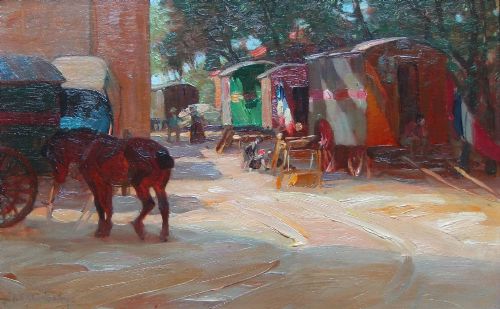

Impressionist French Landscape Art
Impressionist french landscape art captures fleeting atmospheric effects across rural fields and riverbanks through visible, expressive brushstrokes.
Impressionist French Landscape Art
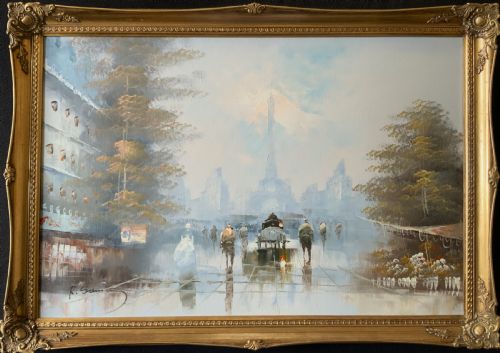
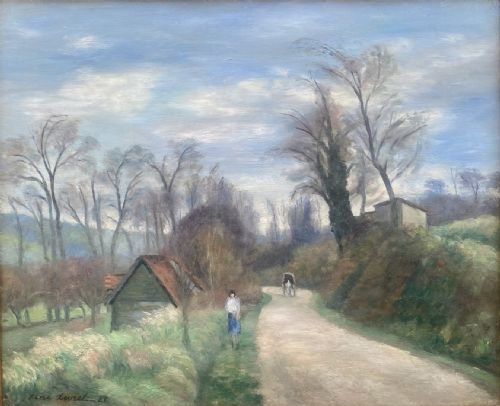
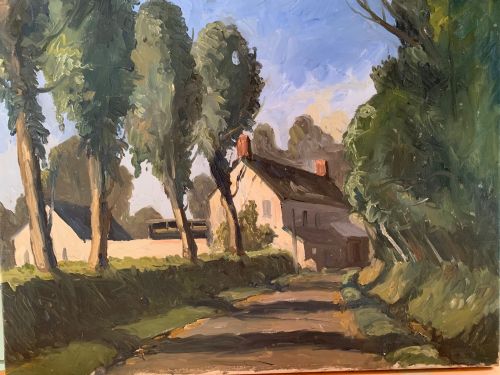
Impressionist french landscape art encompasses canvas paintings, watercolours, and mixed media works capturing rural and urban scenes across France.
The selections on this page span from the nineteenth century through the mid twentieth century, including movements like Post-Impressionism and the Barbizon School.
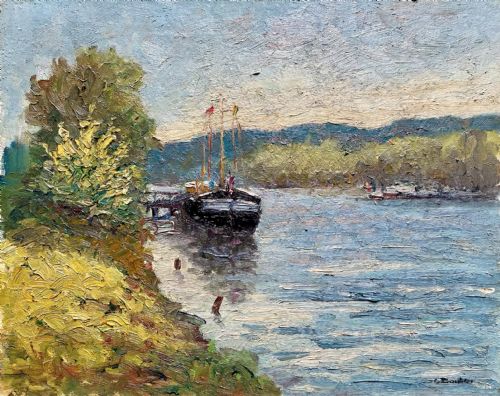
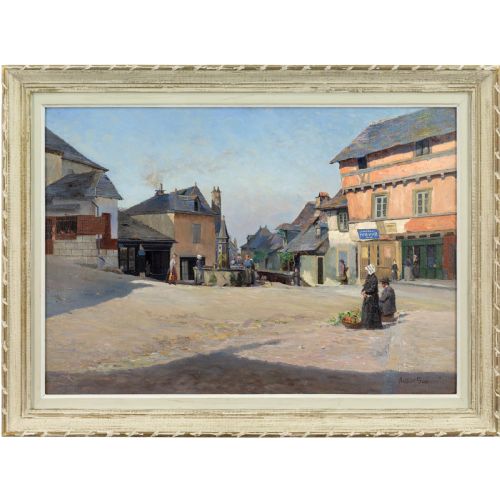
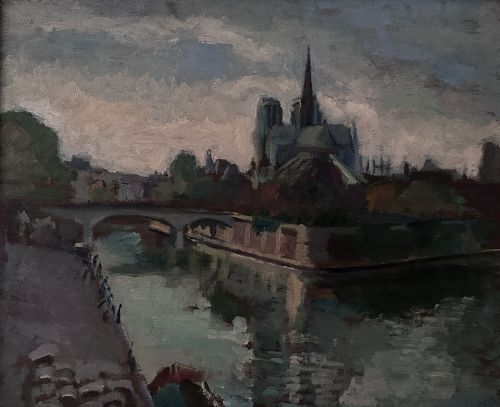
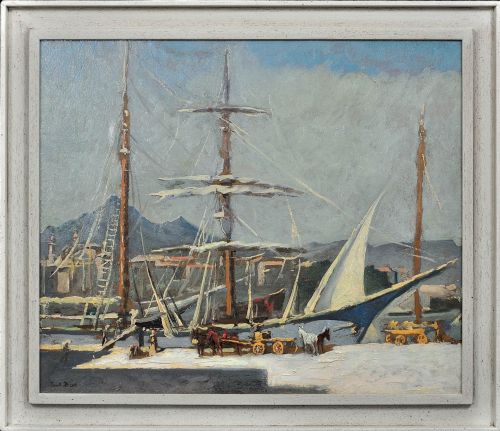
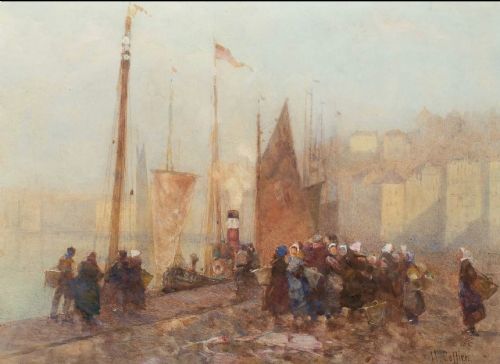
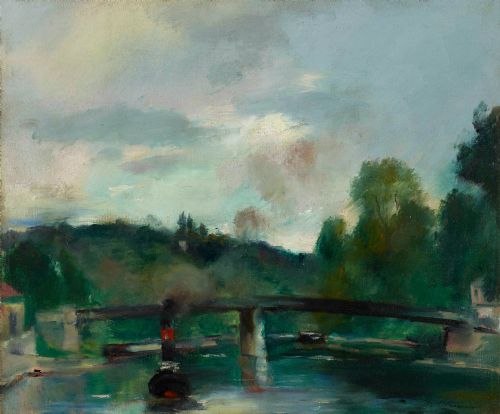
Common forms depict river views, coastal harbours in Normandy and Brittany, city squares, and pastoral countryside settings.
Materials and technique
Painters utilised oil paint applied to canvas, wood panels, or paper, often building thick textured layers to capture light.
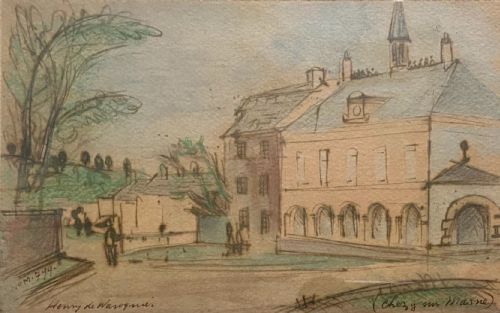
Watercolour and gouache on paper record transparent washes and rapid preparatory marks.
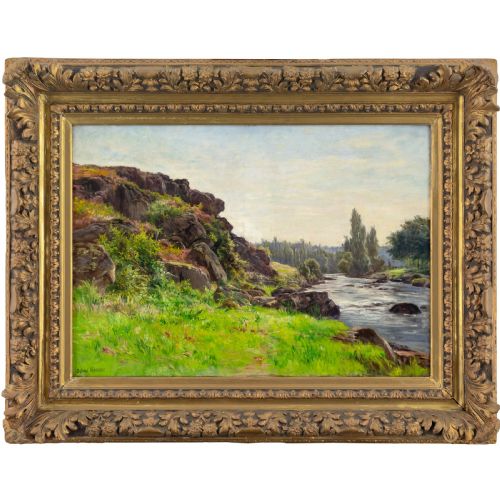
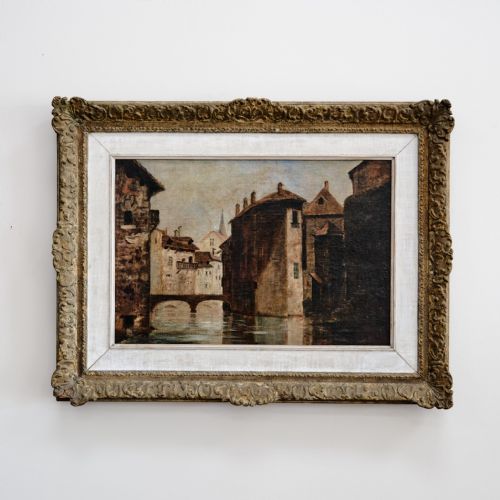
Works frequently sit within period frames constructed from gesso and gilt wood.
Listings feature works executed on canvas, wood panels, and paper using oil paint, watercolour, and ink.
Assessing quality
Quality rests upon the confidence of the brushwork and the artist's ability to render light and atmosphere convincingly.
Compositional balance and the preservation of the original paint surface differentiate masterworks from standard decorative pieces.
The integrity of the period framing and clear provenance further influence the standing of an individual work.
Gabriel Mathieu·Arthur Gué·Paul Bret·Hector Caffieri·Henri Ottmann·Rene Levrel·Erich Mercker·Paul Désiré Trouillebert·Henry de Waroquier·Paul Ehrenberg·Paul-Élie Gernez·Caroline Burnett·Honore Cavaroc·Charles Clair·Henri Jaques Delpy·Paul-Jean Anderbouhr·Gaston Cornil·Raymond Moritz·Louis Suire·Gustave Vidal·Jean-Baptiste Olive·Raymond Picque·William Lee Hankey·Raimond Louis Lecourt·Fred Pailhes
The Impressionist French Landscape Art Glossary
- Barbizon School
- A nineteenth century French art movement focused on realistic landscape painting en plein air. These artists laid foundational techniques for later impressionist painters.
- Post-Impressionism
- A French art movement that developed from impressionism while rejecting its limitations. Artists extended impressionist use of vivid colours and thick brush application.
- Gesso
- A plaster mixture used as a smooth base for painting on wood panels or canvas supports. It creates a stable surface for oil application.
- Provenance
- The chronological history of the ownership of a work of art. Documented records confirm authenticity and previous exhibitions.
Impressionist French Landscape Art: Frequently Asked Questions
What subjects appear in these works?
Paintings show rural countryside vistas, riverbanks, and bustling city streets. Coastal harbours in Normandy and Brittany also feature prominently.
Scenes range from quiet pastoral landscapes to active ports with working figures and vessels.
How should I display these paintings?
Hang pieces on interior walls away from direct sunlight to protect pigments and paper supports. Maintaining stable room humidity prevents canvas and wood panel warping.
Pair works with appropriate period frames to complement the visual weight of the brushwork.
How do I identify the period?
Examine the support materials, stretcher frames, and framing styles typical of nineteenth or mid twentieth century workshops. Pigment analysis and artist signatures provide further chronological markers.
Stylistic shifts from Barbizon realism to Post-Impressionist abstraction help narrow the date of execution.
Are works signed by artists?
Many examples feature artist signatures or studio stamps on the front or reverse of the canvas. Documentation and exhibition labels occasionally accompany historical pieces.
Unsigned works rely on stylistic attribution and period materials for identification.