

Impressionist Floral
Impressionist floral works capture the fleeting light and colour of garden blooms through loose, expressive brushwork.
Impressionist Floral
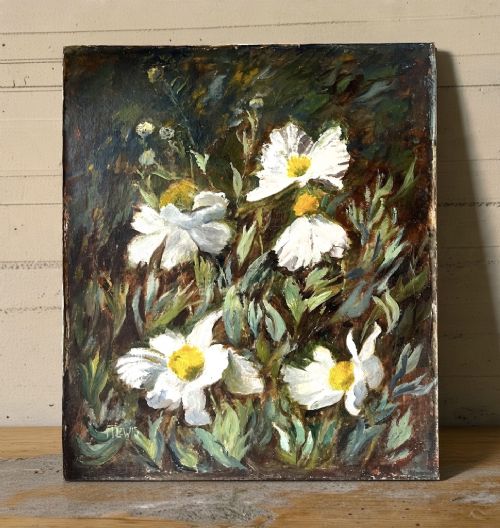
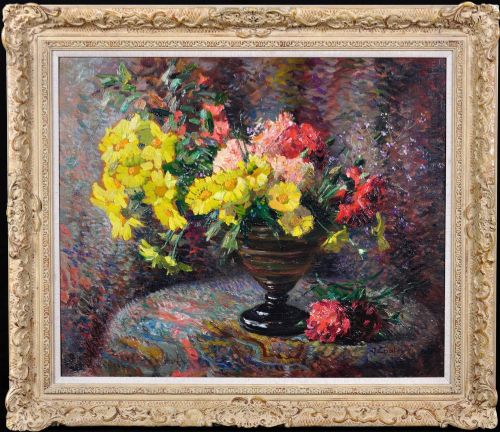
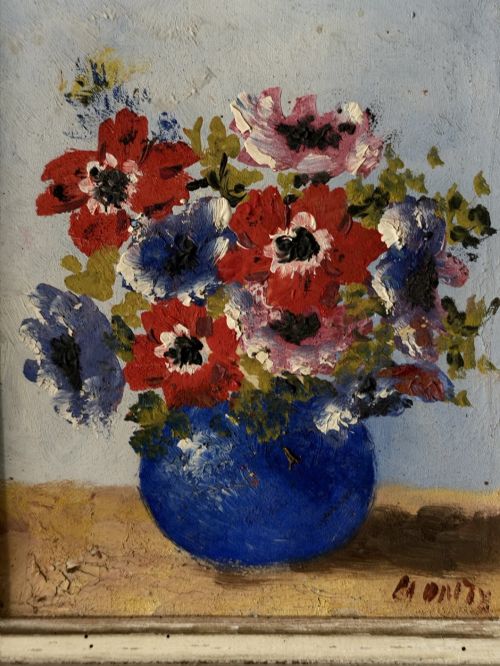
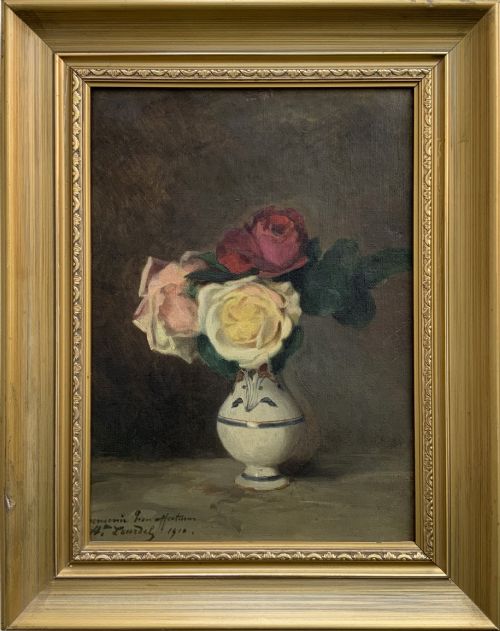
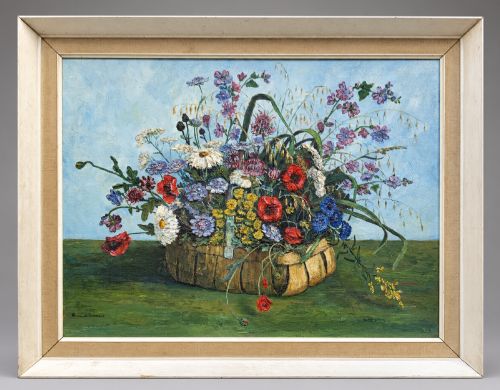
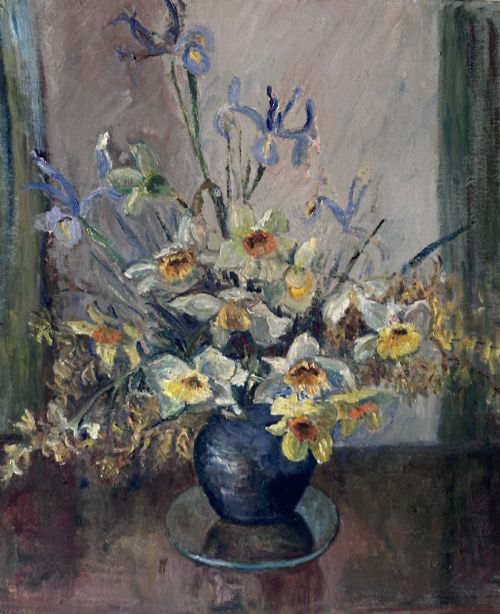
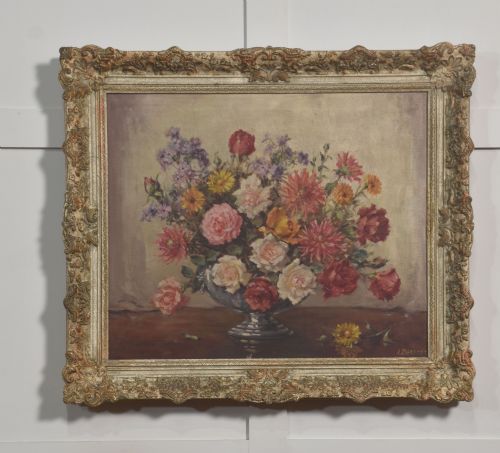
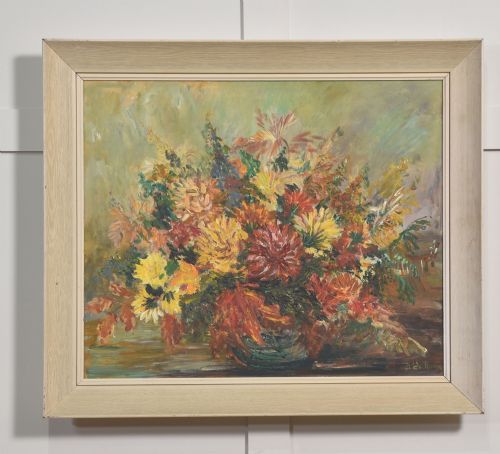
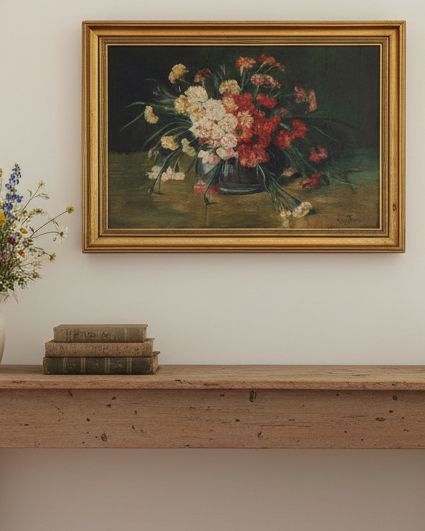
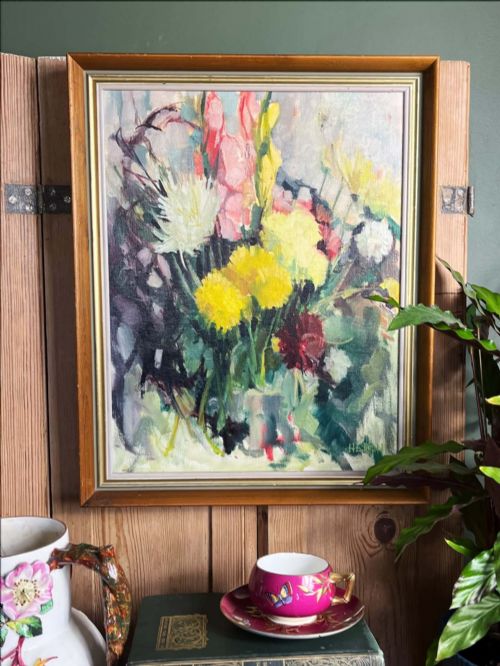
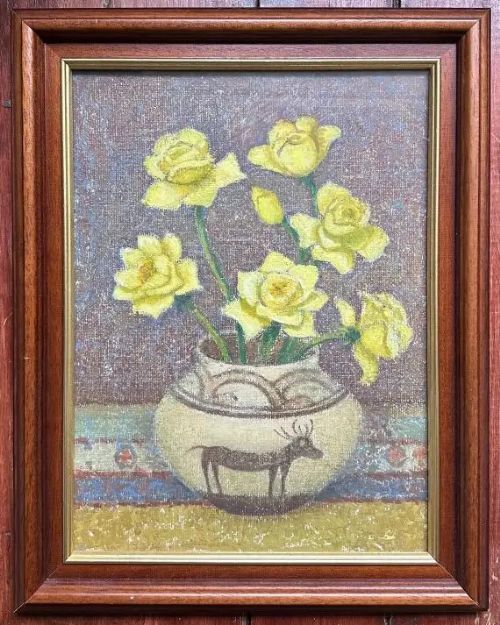
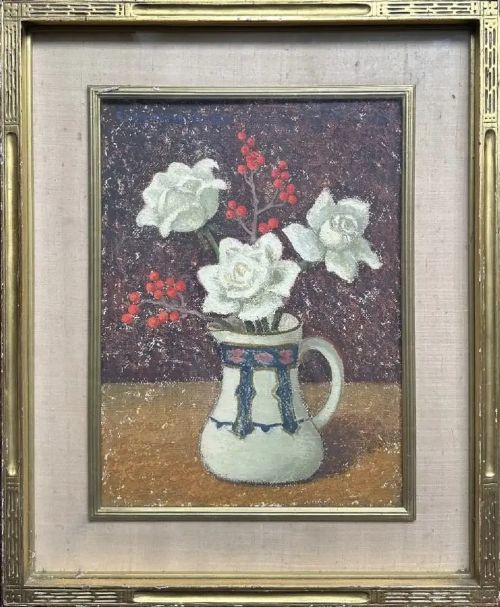
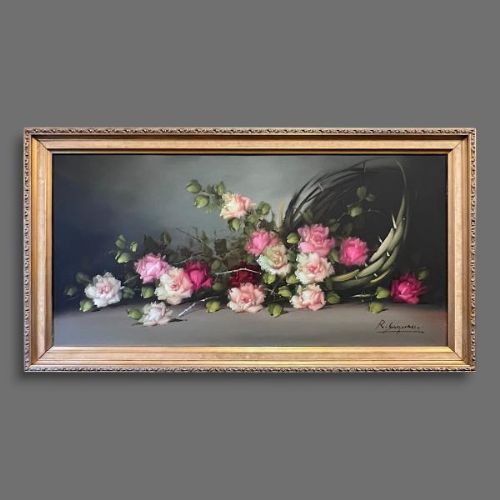
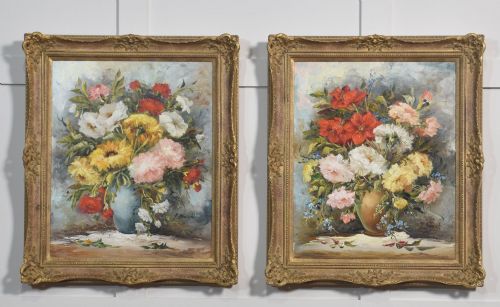
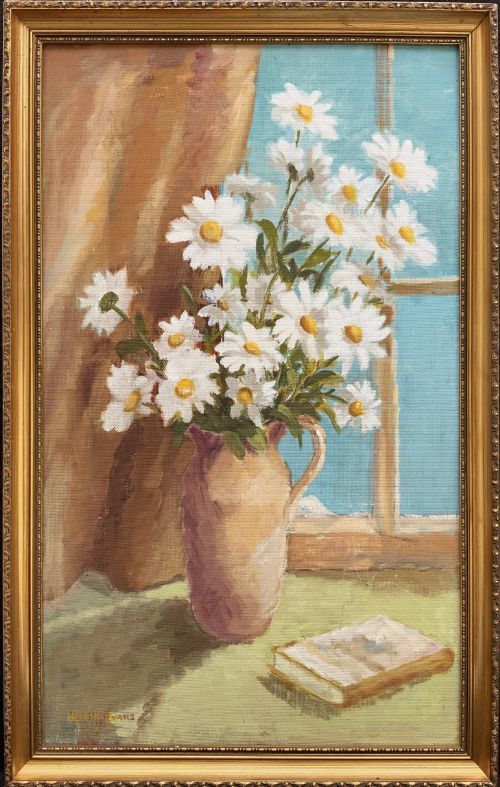
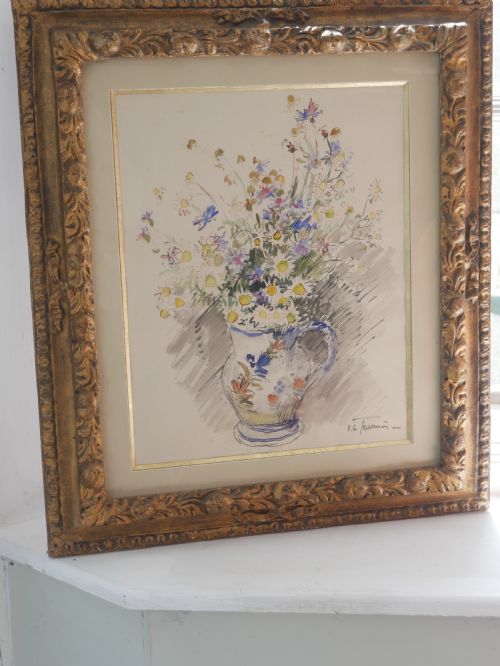
Impressionist floral works encompass oil paintings, watercolours, and pastels depicting roses, daffodils, and garden scenes. These pieces capture transient natural effects through visible brushstrokes and luminous colour palettes rather than rigid botanical precision.
Smaller tabletop studies sit alongside large-scale compositions, reflecting diverse domestic spaces from various decades. Painters utilise these floral subjects to explore light on petals and foliage across different European and American schools.
Materials and technique
Artists apply oil paint directly to canvas, wood panels, or board, building texture with thick impasto or thin washes. Watercolours and pastels on paper offer a lighter, more translucent alternative for capturing delicate garden studies.
Support materials range from traditional stretched canvas to sturdy wooden boards and heavy paper sheets. Gilt frames and gesso mouldings frequently complement the works, providing period-appropriate presentation for the painted surfaces.
Impressionist Floral Retail Price Guide 2026
Typical asking prices for impressionist floral among the pieces listed under this phrase on Sellingantiques today, from the lower quarter to the upper quarter. They describe what is for sale here now, not the wider market.
Listings span periods from the 19th Century through the 1960s, featuring oil, watercolour, and pastel on canvas, wood, and paper.
Evaluating quality in execution
Quality rests on the confidence of the brushwork and the artist's ability to render light interacting with petals and leaves. Superior pieces demonstrate deliberate composition and harmonious colour relationships that breathe life into the subject.
The handling of the medium distinguishes accomplished works from simpler decorative studies. Strong handling of oil paint or watercolour creates depth and movement within otherwise static still-life arrangements.
I. Berezny·D. L. Williams·Konstantin Stoitzner·Emma Fordyce MacRae·Manuela Bonati·William Thomas Wood·Victor Simonin·Owen Bowen·Gertrude Hayes·Thomas Bromley Blacklock·Amile Coppieters·Florence Hess·Claude Monet·Lester Sutcliffe·Ernest Higgins Rigg·Sir Matthew Smith·Lilian Stannard·Rowland Henry Hill·Lena M Alexander
The Impressionist Floral Glossary
- Impressionism
- A nineteenth-century painting style focusing on accurate depiction of light in its changing qualities and ordinary subject matter. Artists achieve this through small, thin yet visible brush strokes.
- Still life
- A work of art depicting mostly inanimate subject matter, typically commonplace objects which may be either natural or man-made. Floral arrangements serve as a primary focus within this category.
- Impasto
- The process or technique of laying on paint or pigment so that it stands out in relief from a canvas. This technique adds tactile dimension to floral petals and vases.
- Gesso
- A plaster mixture used as a coating for a substrate such as wood or canvas before painting. It provides a smooth, stable surface for oil and watercolour pigments.
- Watercolour
- Artists' paint made with a water-soluble binder, used for translucent washes on paper. This medium suits delicate botanical and garden studies.
Impressionist Floral: Frequently Asked Questions
What is impressionist floral art?
Impressionist floral art consists of paintings and watercolours that capture flowers and gardens through loose brushwork and vibrant colour rather than strict realism.
These pieces emphasise mood, natural light, and atmosphere over botanical accuracy.
How do I display these paintings?
These works suit traditional and modern interiors alike, often placed in living rooms or studies as focal points.
Ensure they hang away from direct sunlight to protect pigments on canvas and paper from fading over time.
How were these floral pieces made?
Artists primarily applied oil paint to canvas or wood boards, though watercolours and pastels on paper also appear across different periods.
Many retain their original gilt or wooden frames, which complement the textured brushwork of the painted surface.
How can I tell the periods apart?
Nineteenth-century examples tend towards tighter academic realism or early atmospheric shifts, while twentieth-century works embrace bolder post-impressionist palettes.
Mid-century pieces often feature simplified forms and brighter, flatter colour blocks compared to Edwardian or Victorian floral studies.