



Impressionist Figure Study
Impressionist figure study works capture human form through loose brushwork and tonal shifts, offering buyers intimate glimpses of domestic and natural life.
Impressionist Figure Study
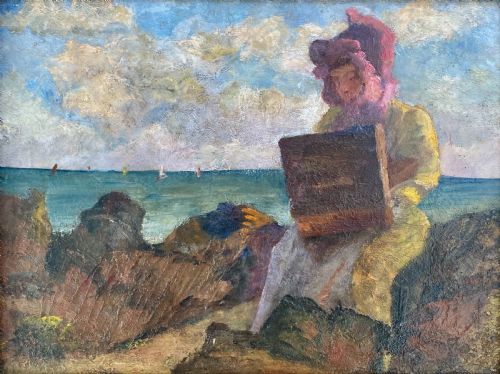
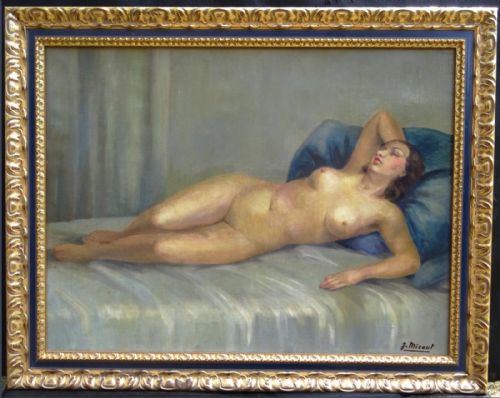
An impressionist figure study centres on portraits and nudes rendered through expressive brushwork, capturing momentary light and posture rather than rigid anatomical precision. These works range from informal sketches of sitters to deliberate compositions of bathers by rivers or women seated in interiors.
The pieces on this page emerge from periods spanning the nineteenth century through the mid-twentieth century, encompassing British Impressionism, French Impressionism, Art Deco, and Fauvism. Buyers encounter diverse physical formats, including oil on canvas, oil on paper, and pencil drawings.
Origins shift between British and French schools, reflecting regional interpretations of impressionist technique applied to the human subject. Framed artwork and canvas supports dominate the selection, preserving the immediate touch of the artist.
Materials and technique
Artists executed these figure studies primarily in oil paint applied to canvas, paper, or wooden supports, alongside pencil on paper for preparatory drawings. The medium allowed rapid application of pigment to record shifting light on skin and drapery.
Brushwork remains loose and visible, defining form through patches of colour and tonal contrast rather than sharp outlines. Giltwood frames frequently house these paintings, completing the presentation of the period.
Impressionist Figure Study Retail Price Guide 2026
Typical asking prices for impressionist figure study among the pieces listed under this phrase on Sellingantiques today, from the lower quarter to the upper quarter. They describe what is for sale here now, not the wider market.
Art Deco and Fauve influences appear alongside British and French impressionist styles in these figure works.
Assessing quality and execution
Quality rests upon the sureness of the draftsmanship and the economy of the brushstrokes used to construct the figure. Confident handling of tone and pigment transforms a simple sketch into a compelling visual presence.
The integration of subject and background distinguishes superior examples, where brushwork in the setting supports the atmosphere of the figure. Harmony of colour and structural integrity within the composition dictate the standing of each piece.
Honore Cavaroc·Augustus Edwin John·Yetta Kane·Kershaw Schofield·Auguste Renoir·Gaston Bouy
The Impressionist Figure Study Glossary
- Impressionist
- A style of painting focusing on visual impression rather than literal detail, marked by visible brushstrokes and an emphasis on light. It altered how artists recorded the human figure.
- Oil paint
- A slow-drying paint made of pigment particles suspended in a drying oil, typically linseed. It permits blending and layering on canvas or paper.
- Giltwood
- Wood carved and coated with gold leaf or a gold-coloured metallic finish. It serves as a traditional frame material for paintings.
- Fauvism
- An early twentieth-century style employing painterly qualities and strong colours over the representational values retained by impressionism. Practitioners prioritized vibrant hues in figure compositions.
- Provenance
- The chronology of the ownership of a work of art. It establishes authenticity and historical record.
Impressionist Figure Study: Frequently Asked Questions
What defines an impressionist figure study?
These works focus on human subjects rendered through spontaneous brushwork and atmospheric lighting. Artists prioritize capturing mood and movement over precise academic detail.
Subjects include nudes, portraits, and domestic scenes created across the nineteenth and twentieth centuries. The approach emphasises painterly marks on canvas or paper.
How should I display an oil painting on paper?
Works on paper require framing behind glass with acid-free mounts to protect the delicate substrate from environmental damage. This prevents humidity and dust from degrading the pigment.
Keep framed drawings and paintings out of direct sunlight to avoid fading the oil or paper. Stable indoor conditions preserve the integrity of the material.
How do I distinguish French and British styles?
French works from this selection often lean towards vibrant palettes and loose fauvist tendencies, particularly in outdoor settings. British examples frequently adopt subdued tones aligned with British Impressionism and modern schools.
Both traditions apply fluid brushwork to the human form, yet regional palettes and historical training create distinct visual textures. Examining the background treatment helps clarify the origin.
Are pencil studies considered finished works?
Pencil studies function as direct records of an artist's observation, capturing line and shadow with immediate economy. Collectors value them for revealing the foundational draftsmanship behind larger paintings.
Such drawings stand as complete artistic statements rather than mere preparations. They offer direct insight into the hand of the creator.