



Impressionist City Painting
Impressionist city painting captures the bustling energy and atmospheric light of urban life through loose brushwork and vibrant colour.
Impressionist City Painting
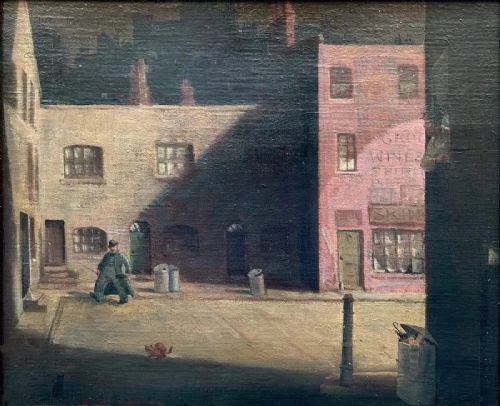
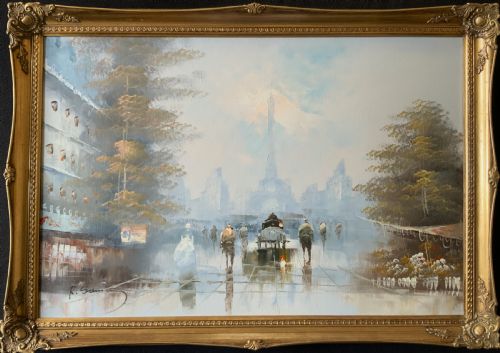
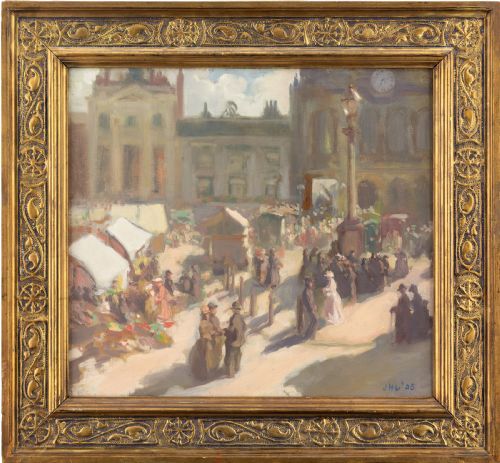
An impressionist city painting portrays streets, markets, rivers and architectural landmarks from major urban centres like London, Paris and Venice. These works focus on fleeting moments of daily life, capturing the interplay of natural light, shadow and atmospheric conditions within a metropolis. Buyers turn to these works for a sense of historical place combined with expressive artistic interpretation.
The selections available here span from the nineteenth century through the Edwardian era and into mid-century modern variations. Common subjects include horse-drawn cabs, bustling squares, bridges and iconic monuments rendered with lively brushwork. Most pieces originate from British and French artistic traditions, reflecting urban dynamism across different decades.
Materials and methods
Artists primarily applied oil paint onto stretched canvas or wooden board, utilising rich pigments to build texture and depth. Watercolour on paper also appears frequently, offering a lighter and more translucent rendering of urban atmospheres and damp streets. Ink is occasionally employed to define sharp architectural lines beneath fluid washes of colour.
Makers shaped these compositions through rapid, visible brushstrokes rather than smooth, blended finishes. Many of these historical works retain their original gilt wood frames, which complement the tonal warmth and period character of the artwork.
Impressionist City Painting Retail Price Guide 2026
Typical asking prices for impressionist city painting among the pieces listed under this phrase on Sellingantiques today, from the lower quarter to the upper quarter. They describe what is for sale here now, not the wider market.
Listings feature works spanning from the nineteenth century through the Edwardian era to mid-century modern, utilising oil paint, watercolour, and ink.
Evaluating quality and execution
The distinction between standard works and exceptional pieces lies in the handling of light and perspective. Superior examples demonstrate a confident mastery of tone, making the urban atmosphere and movement of crowds palpable to the viewer. Weaker works tend to rely on rigid repetition without capturing the transient vitality of the street.
Compositional balance and brushwork dexterity further divide the range. A skilled hand evokes the scale and hum of a capital city with economy and precision, whereas lesser execution leaves the street scene flat and static.
Francisco Sancha·John Hodgson Lobley·Caroline Burnett·Victor Gabriel Gilbert·Charles James Lauder·Ron Folland·Merio Ameglio·E A Minardo·Eduard Leon Cortes·Henry Sanders·Rowland Henry Hill·Frances E Nesbitt·Matthew Hale
The Impressionist City Painting Glossary
- Impressionism
- A nineteenth-century art movement characterised by relatively small, thin yet visible brush strokes and an open composition. It prioritises accurate depiction of light in its changing qualities.
- Gilt wood
- Wood that has been coated with a thin layer of gold leaf or metallic gilt paint. This treatment frequently frames period oil paintings to enhance their visual weight.
- Watercolour
- A paint wherein the colourants are suspended in a water-soluble base. This medium is typically applied to paper to achieve translucent effects.
- Post-Impressionism
- A predominantly French art movement that developed from about 1886 to 1905, extending impressionism while rejecting its limitations. Artists painted with greater symbolic and emotional expression.
- Canvas
- A closely woven heavy fabric used as a surface for oil painting. It is typically stretched tightly across a wooden frame before application.
Impressionist City Painting: Frequently Asked Questions
What defines an impressionist city painting?
An impressionist city painting focuses on urban subjects like streets, squares, and bridges, rendered with loose, visible brushwork. These works aim to capture the changing effects of light, weather, and motion in a bustling metropolis.
Created across various decades, these paintings often depict historic capitals such as London, Paris, and Venice. They translate the noise and energy of urban environments onto canvas or paper through expressive colour and tone.
How do I date these paintings?
Dating relies on subject matter, clothing styles of figures, architectural details, and the artist's recorded working period. Edwardian pieces often feature horse-drawn transport, while later mid-century works introduce altered streetscapes and motor vehicles.
Signatures, framing styles, and the backing materials of the canvas or board also offer clues. Comparing a piece to documented works by the same artist helps narrow down its production era.
Are these paintings watercolours or oils?
Both mediums appear frequently in this category, with artists choosing based on the desired atmospheric effect. Oil paint on canvas or wood provides rich texture and deep colour saturation for dynamic street scenes.
Watercolour on paper offers a more fluid, translucent quality often used to portray misty weather or rainy urban pavements. Each medium brings a distinct visual character to the depiction of city life.
How should I display them at home?
Displaying these artworks benefits from placement on walls with controlled ambient lighting to highlight the brushwork and texture. Many pieces come in period gilt wood frames that complement traditional and eclectic interiors alike.
Keeping them away from direct sunlight and excessive moisture protects the canvas, paper, and pigments. Simple picture lighting can further enhance the atmospheric qualities of the urban scene.