
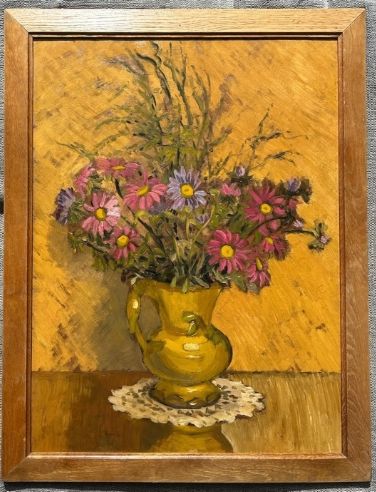

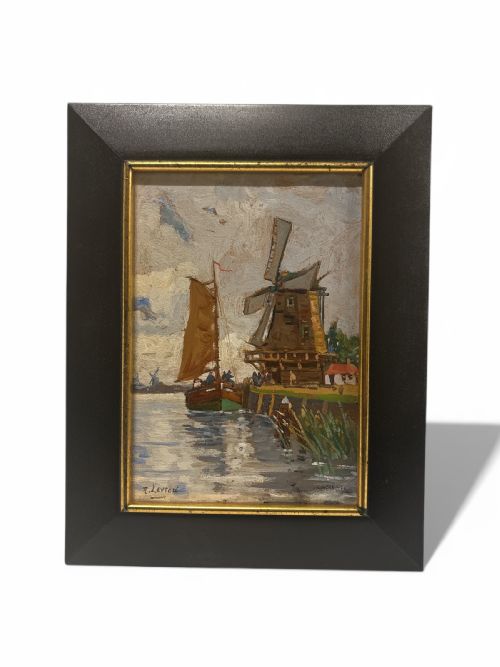
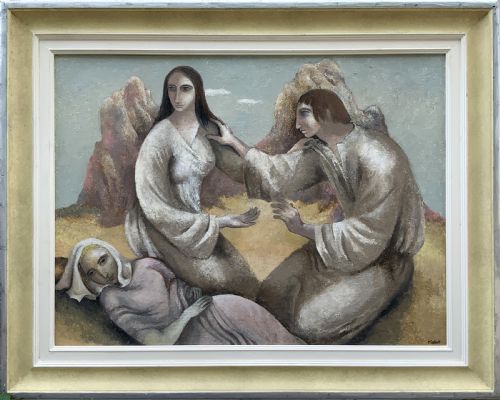
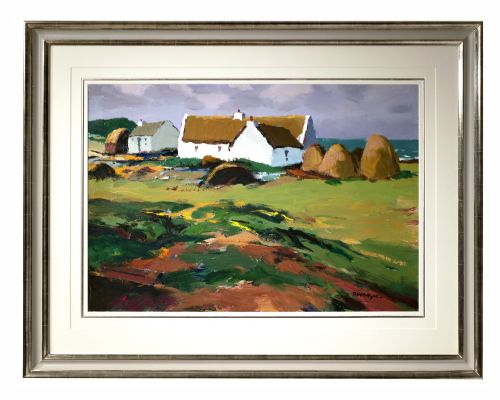




Impasto Oil Painting Board
Impasto oil painting board works bring rich, raised pigment and immediate texture directly to rigid supports.
Impasto Oil Painting Board
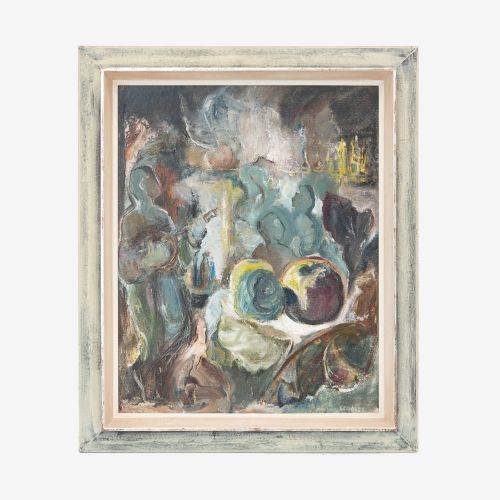
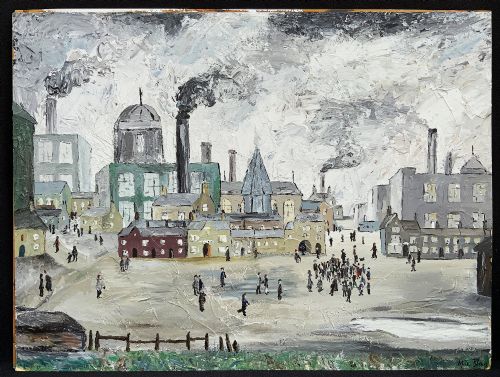
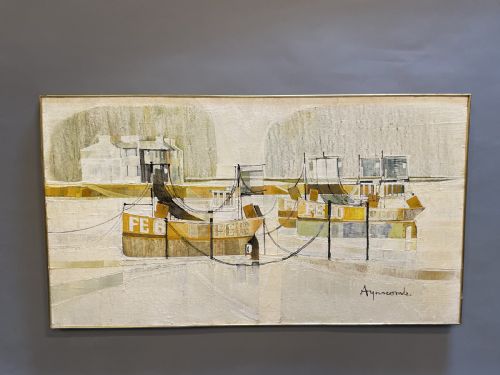
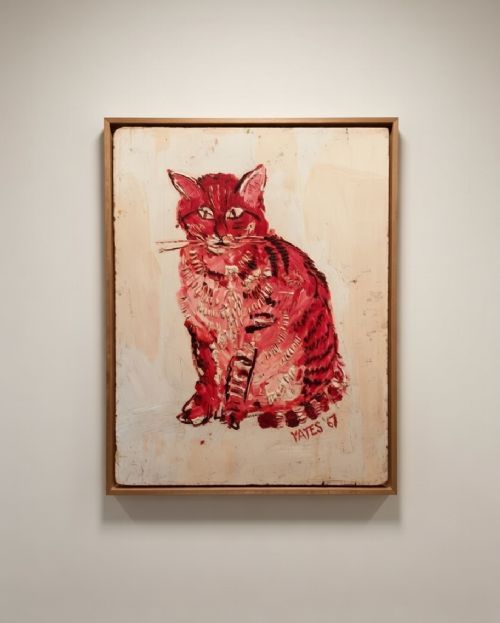
An impasto oil painting board piece combines thick, textured oil pigment applied to a rigid panel, wood, or board support rather than stretched canvas. These works capture light across raised strokes, creating a tangible sense of depth and form.
The selections available here range from nineteenth-century examples through Edwardian scenes and early twentieth-century views into mid-century modern and post-war British expressions. You will frequently encounter landscapes, maritime subjects, and still lifes from these periods.
Makers in this category work within impressionist, post-impressionist, and modernist traditions, applying thick paint with brushes or palette knives. The resulting surfaces record the energetic physical action of the hand that applied them.
How they were made
Artists apply oil paint directly onto prepared wood, panel, or board supports, often leaving visible brushstrokes and heavy ridges of pigment. This technique relies on the rigidity of the backing to hold thick layers of paint without sagging or cracking over time.
The inclusion of impasto means the medium is loaded heavily onto the surface to catch the light and build physical dimension. Many pieces are framed in gilt or wood surrounds that complement the dense application of colour.
Cats, lions, and old barges share the same board surfaces.
What varies in quality
Quality rests in the confidence of the brushwork and the deliberate handling of heavy pigment across the board. Stronger pieces display a clear relationship between the thickness of the paint and the structure of the subject matter.
The selection of the support and the stability of the paint layer also dictate the calibre of a piece. Works that retain their textural crispness without surface disruption demonstrate superior technical execution from their period.
Kenneth Cozens·Christine Nesbit·Donald McIntyre·Lilian Colbourn·Fred Yates·James Fry·Florence Hess·Herbert Royle·Ernest Higgins Rigg·John Falconar Slater·William Ernst Burwell
The Impasto Oil Painting Board Glossary
- Impasto
- Paint applied thickly to a support so that it stands out from the surface, often retaining the marks of the brush or palette knife.
- Board
- A rigid flat piece of wood, pasteboard, or composite material used as a painting support instead of stretched canvas.
- Post-Impressionism
- An artistic movement developing from about the eighteen-eighties that extended impressionism while rejecting its limitations, focusing on more symbolic content and heavier application.
- Gilt
- Covered thinly with gold leaf or gold paint, frequently seen on the period frames enclosing these panel works.
Impasto Oil Painting Board: Frequently Asked Questions
What is an impasto oil painting board?
It is an artwork where oil paint is laid thickly onto a rigid wooden or composite panel. The pigment retains the distinct marks of the application tool.
This method creates a physical relief on the flat surface, allowing light to catch the edges of the paint strokes.
How do I hang a board painting?
These works generally require a sturdy picture wire attached to a period or complementary frame. Because the support is rigid, the frame provides essential edge protection.
Ensure your wall fixings match the weight of the framed panel before hanging.
Are these paintings dated accurately?
Dates rely on period evidence, artist lifespans, and stylistic markers recorded within each listing. Mid-century and early twentieth-century examples form the majority of the current selection.
Signatures and inscriptions on the reverse of the board often provide direct confirmation of the year of creation.