

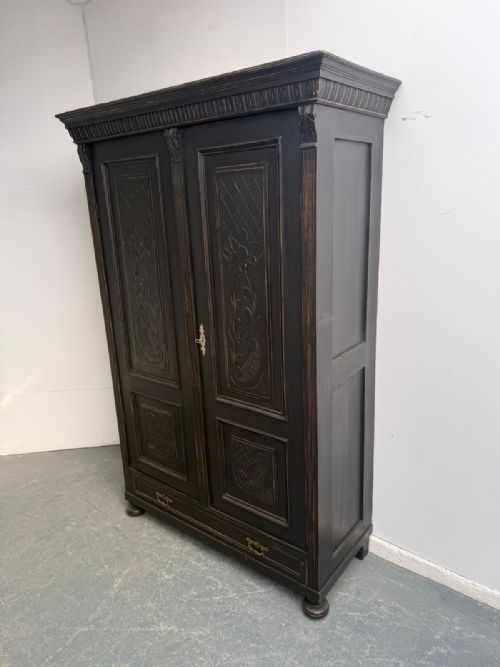
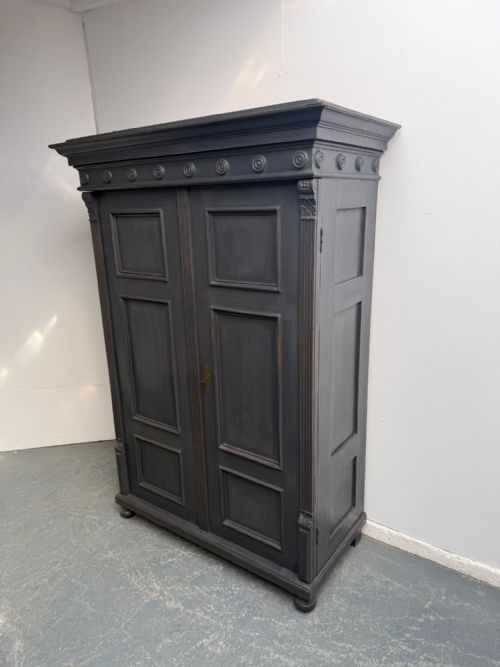
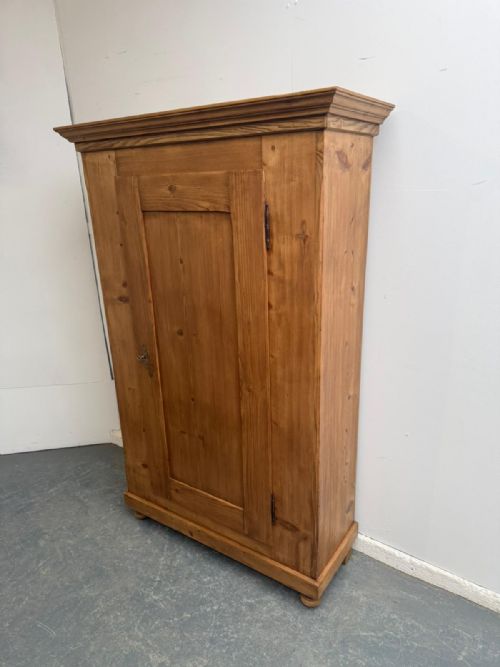
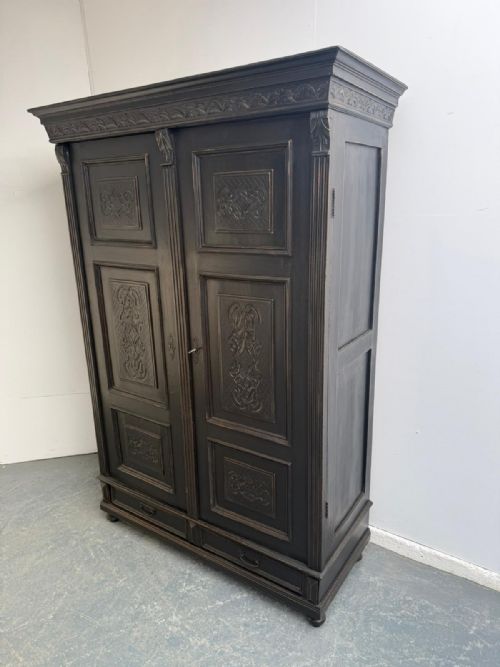



Hungarian Pine Armoire
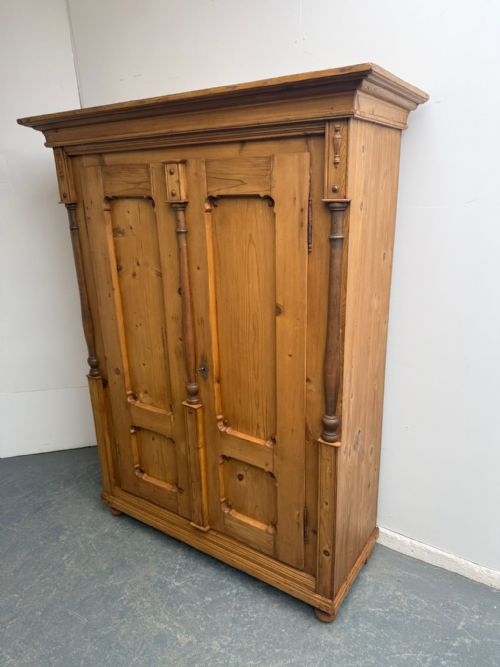
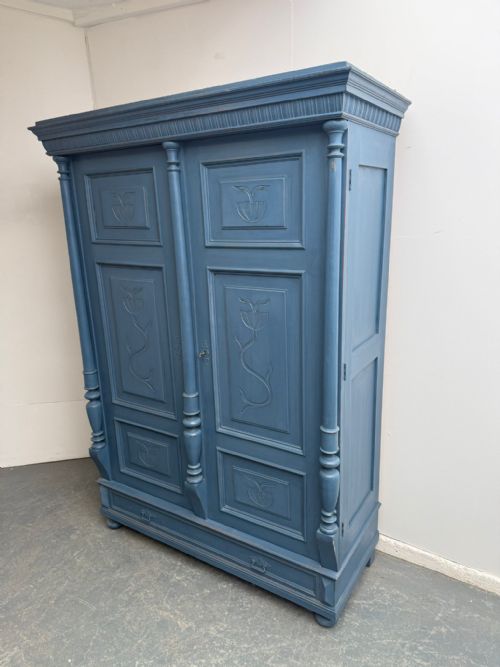
These hungarian pine armoire pieces offer practical storage with rustic character, bringing authentic country charm into modern homes.
Hungarian Pine Armoire
A hungarian pine armoire is a substantial storage piece originating from Central Europe, designed for domestic utility. Buyers encounter these forms as one-piece, two-door hall wardrobes and storage cupboards.
The selections span Victorian and Georgian periods, alongside general nineteenth-century examples. Continental country and rustic farmhouse styles dominate the physical evidence.
Makers constructed these items primarily for provincial homes, utilising regional timber traditions. Pieces often integrate oak elements alongside the primary pine construction.
Materials and construction
Carpenters built these wardrobes from solid pine, frequently combining oak for structural strength or decorative contrast. Iron and metal hardware secure the doors and provide functional operational parts.
Surface treatments vary between waxed finishes and hand-painted pigments. Craftsmen applied black, blue, and grey paint schemes, whilst others favoured natural waxed wood.
Some nineteenth-century armoires served as marriage pieces from Bohemia, carrying hopes for domestic harmony inside their painted doors.
Distinctions in craftsmanship
Quality separates through the integrity of the timber and the application of surface decoration. Original painted surfaces show distinct pigment depth compared to later alterations.
Structural complexity ranges from simple pegged joinery to carved ornamentation. The presence of original iron hardware elevates the integrity of the piece.
The Hungarian Pine Armoire Glossary
- Armoire
- A large wardrobe or cupboard used primarily for hanging clothes or storing household goods. These pieces typically feature two doors enclosing a vertical storage space.
- Hall wardrobe
- A shallow wardrobe designed specifically for placement in narrow corridors or entranceways. Such items maximise storage whilst maintaining a compact footprint.
- Waxed finish
- A protective treatment rubbed into the timber to nourish the wood and produce a soft sheen. This method preserves the natural grain of the pine.
- Folk art
- Decorative painting and carving traditions executed by regional craftspeople rather than urban academic artists. These motifs reflect local cultural patterns.
Hungarian Pine Armoire: Frequently Asked Questions
What is a hungarian pine armoire?
A hungarian pine armoire is a large wooden storage cabinet or wardrobe originating from Central Europe during the eighteenth or nineteenth centuries. These pieces served practical domestic functions in regional homes.
Craftsmen built them primarily from solid pine, occasionally incorporating oak or iron fittings. They survive today as functional storage furniture with distinct regional decorative traits.
How were these armoires used originally?
Original owners utilised these cabinets for storing garments, textiles, and household provisions within domestic interiors. Their generous internal volume accommodated bulky clothing and household linens.
Many examples functioned as hall wardrobes or marriage armoires, marking significant household transitions or providing everyday storage in busy rural hallways.
How do I style a hungarian pine armoire?
Placing one of these large wooden pieces in a contemporary or traditional room creates an immediate focal point. Their scale suits bedrooms, hallways, or living spaces needing substantial storage.
Pair the natural wood or painted finishes against neutral walls to highlight the rustic texture. The interior can be adapted with shelves or rails for modern utility.
How can I tell the period of an armoire?
Dating relies on examining construction techniques, joinery methods, hardware, and surface finishes. Georgian pieces often display simpler architectural lines, whereas Victorian examples introduce varied painted schemes.
Reviewing the materials used for hinges, locks, and internal pegs provides further clues to the manufacturing era. Regional styles also shift subtly between the eighteenth and nineteenth centuries.