





Howard Style Library Armchair
A howard style library armchair offers deep sprung comfort and classic Victorian upholstery, making it the anchor piece for a traditional study.
Howard Style Library Armchair
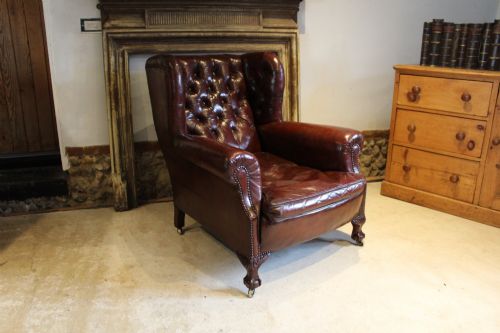
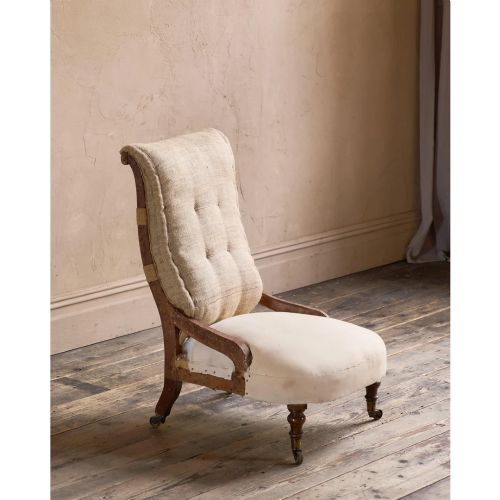
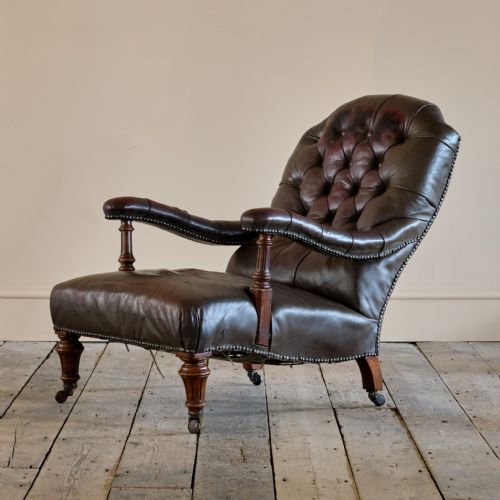
A howard style library armchair is a deeply comfortable seating choice rooted in nineteenth century craftsmanship. These pieces span the Victorian and Edwardian periods, bringing generous proportions and low-slung profiles to domestic spaces. You are most likely to meet open armchair variants alongside large country house models upholstered for long hours of reading.
The form developed to prioritise physical ease, combining rolled arms with substantial padded backs. Originating from workshops in Britain and Ireland, they carry the design hallmarks of notable makers such as Howard and Sons and Robert Strahan. Their enduring appeal lies in this blend of architectural timber frames and soft, sprung interiors.
How they were made
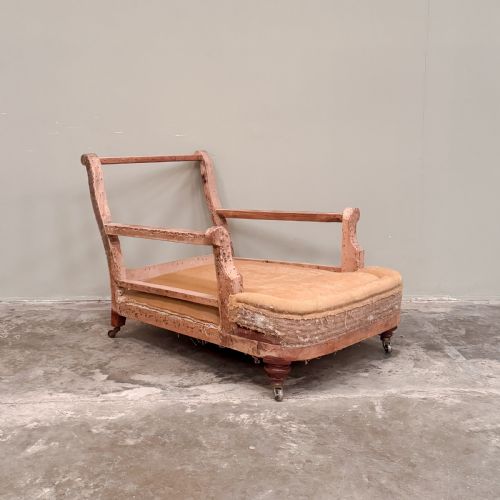
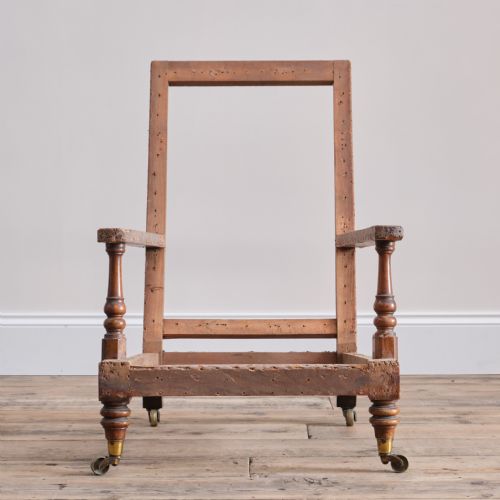
Makers built the structural frames of a howard style library armchair from sturdy hardwoods like mahogany and walnut. These timbers provided the necessary skeleton to support heavy internal springing and substantial padding.
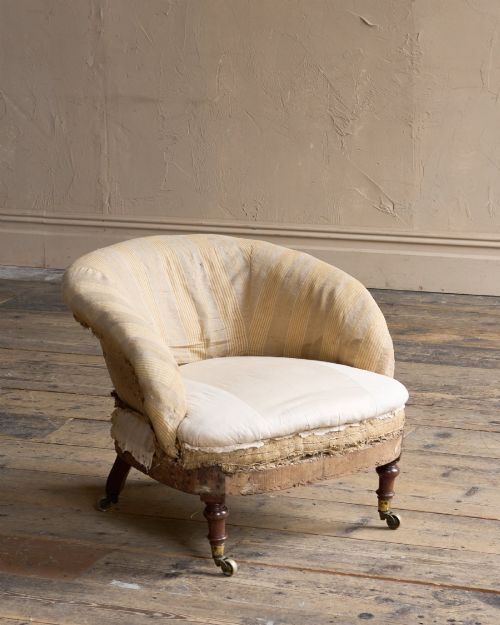
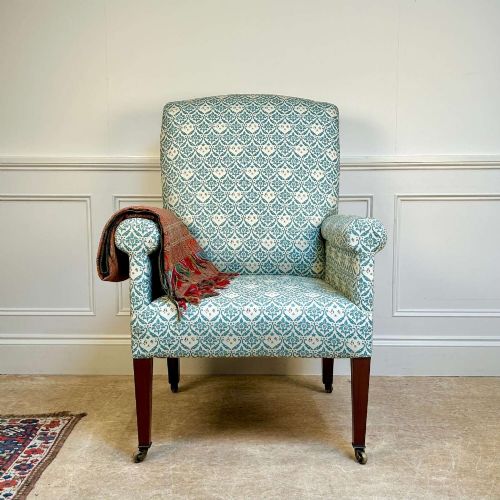
Traditional stuffing relied on horsehair packed tightly beneath layers of hessian and calico. Many examples retain their original ticking fabric, while others wear velvet or patterned textiles applied over the foundational stuffing.
Howard Style Library Armchair Retail Price Guide 2026
Typical asking prices for howard style library armchair among the pieces listed under this phrase on Sellingantiques today, from the lower quarter to the upper quarter. They describe what is for sale here now, not the wider market.
Original ticking fabric whispers tales of dusty Victorian attics where forgotten armchairs waited decades to be rediscovered.
What varies in quality
The distinction between standard examples and the finest pieces rests upon the integrity of the timber frame and the sophistication of the original maker. Workshop provenance, such as a stamp by Howard and Sons or Robert Strahan, elevates a chair significantly through verified nineteenth century lineage.
Subtleties in the carriage of the arms and the proportions of the turned wooden legs dictate the visual balance of the armchair. Furthermore, the survival of primary internal stuffing materials like horsehair and original hessian preserves the authentic sit intended by the maker.
Howard and Sons·Robert Strahan
The Howard Style Library Armchair Glossary
- Calico
- A plain-woven cotton fabric used as the inner lining beneath decorative top covers. It holds the stuffing tightly in place before upholstery is finished.
- Hessian
- A coarse woven fabric, typically made from jute fibres, utilised for internal webbing and foundation support in traditional seating.
- Horsehair
- A traditional natural filling material prized for its springiness and durability. It was packed into upholstered compartments to maintain shape over decades of use.
- Ticking
- A tightly woven, durable cotton or linen cloth, often featuring stripe patterns, historically used to enclose internal mattress and upholstery stuffing.
Howard Style Library Armchair: Frequently Asked Questions
What defines a howard style armchair?
These armchairs are characterised by deep sprung seats, low profiles, and rolled arms designed for maximum comfort. They emerged prominently during the nineteenth century across Victorian and Edwardian drawing rooms and libraries.
The style prioritises relaxation without sacrificing structural elegance. Their enduring design makes them versatile additions to both period interiors and modern spaces.
How do I identify a nineteenth century piece?
Look closely at the construction materials and timber frames, which typically feature mahogany or walnut. Evidence of maker stamps on the castors or frame offers definitive period attribution.
Traditional stuffing methods involving horsehair and hessian further point towards nineteenth century manufacture. Examining the wear patterns on exposed wooden elements helps confirm genuine age.
Are these chairs comfortable for daily use?
They were originally engineered for long hours of reading and repose in country houses and libraries. The deep springing system provides exceptional physical support.
Many buyers use them as primary seating in living areas today. Their robust construction ensures they withstand regular daily occupation.
What fabrics should I expect to find?
Original examples frequently feature under-upholstery of calico, hessian, and striped ticking fabric. Some pieces retain historic decorative textiles such as gold velvet.
Buyers often encounter chairs wearing later replacement covers alongside those preserving their earliest fabric layers. Each textile choice reflects the tastes of different domestic eras.