

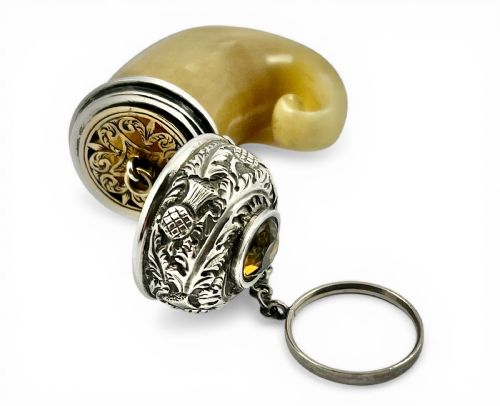


Horned Snuff Box
A horned snuff box is a tactile piece of pocket history, offering you an intimate glimpse into Georgian and Victorian social habits.
Horned Snuff Box
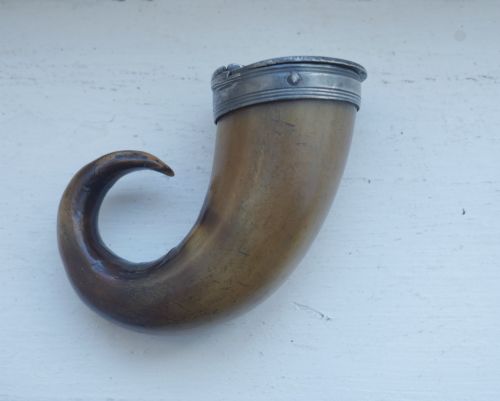
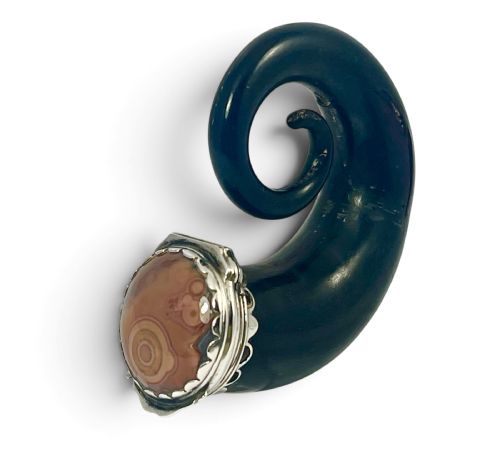
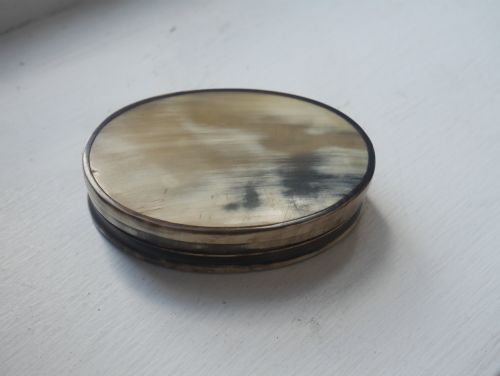
When you search for a horned snuff box, you encounter pocket containers fashioned from natural horn, often styled as Scottish mulls or oval boxes. These small receptacles span the eighteenth, nineteenth and early twentieth centuries, reflecting diverse regional tastes from British to French workshops.
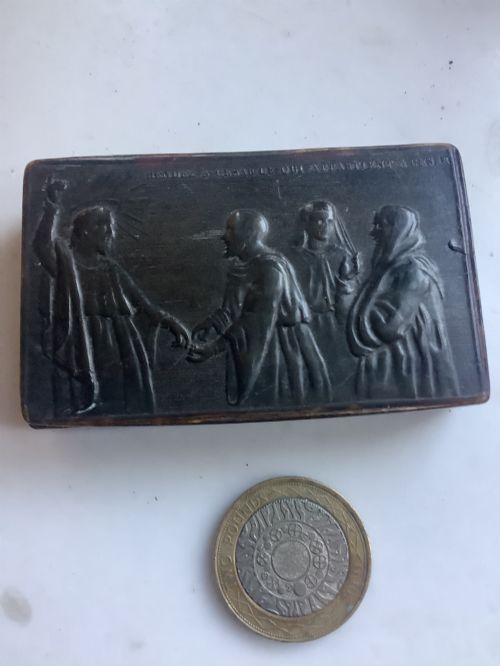
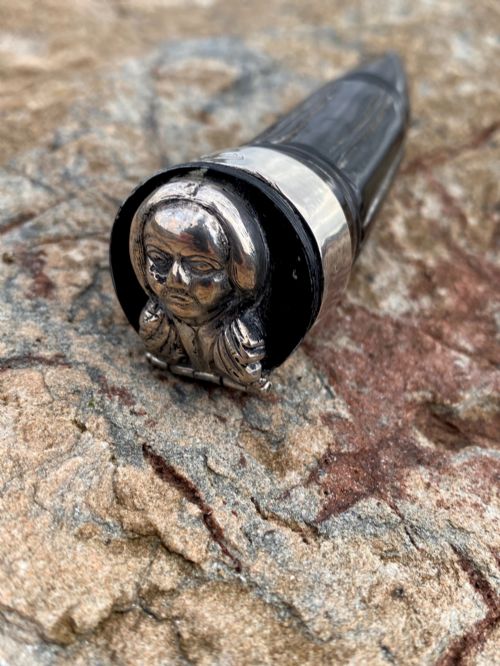
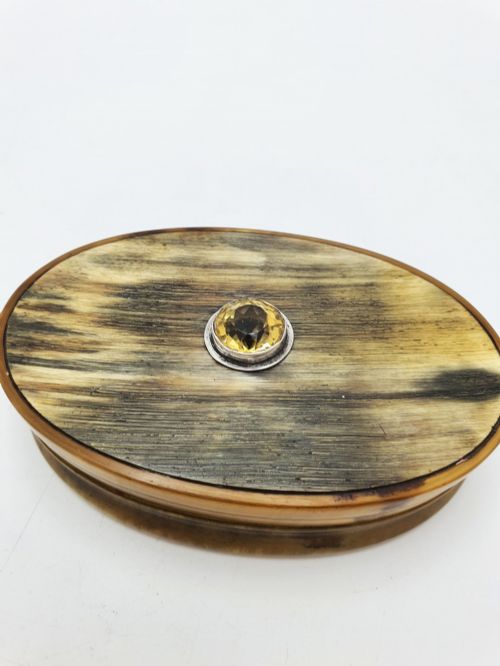
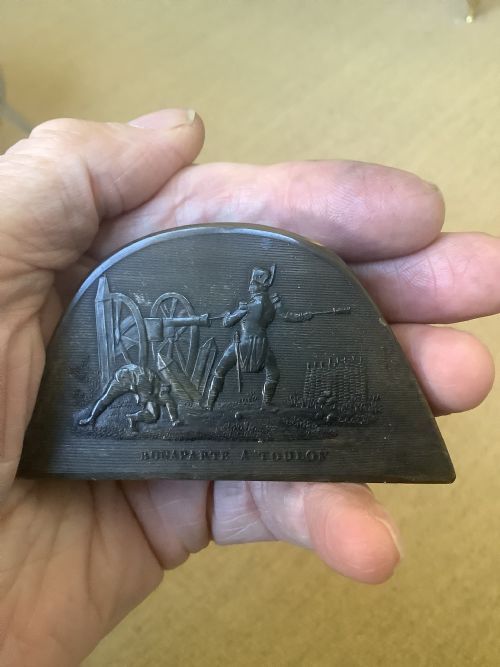
The versions most commonly met on this page include nineteenth-century Scottish horn snuff mulls mounted in silver or white metal, alongside pressed horn boxes shaped into distinct forms like Napoleonic bicorn hats. Collectors also find examples featuring carved pictorial scenes, engraved decoration, and inset citrine stones.
The forms range from simple pocket mulls to vinaigrettes and engine-turned boxes, demonstrating how makers adapted natural horn into functional items for tobacco use. Pieces span Georgian folk art traditions through to Victorian and Edwardian manufacturing methods.
How they were made
Makers utilised natural horn, sometimes pressing it into specific moulds or carving it by hand to achieve intricate shapes and reliefs. Metal mounts in sterling silver, pewter, and white metal were frequently added to secure lids and provide structural reinforcement.
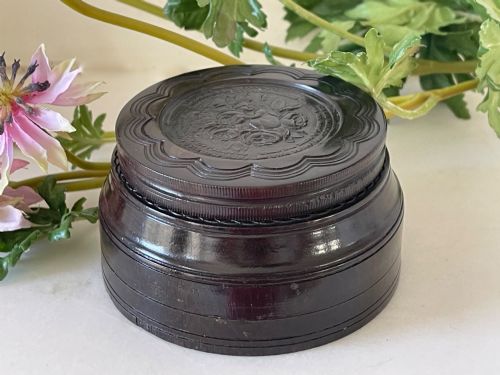
Surface decoration involved engine-turning, delicate engraving, and the setting of stones such as faceted citrine into the lid. Selected pieces incorporate alternative organic materials like tortoiseshell, birch, or pony skin alongside the primary horn body.
Horned Snuff Box Retail Price Guide 2026
Typical asking prices for horned snuff box among the pieces listed under this phrase on Sellingantiques today, from the lower quarter to the upper quarter. They describe what is for sale here now, not the wider market.
Listings feature pieces spanning the Georgian, Victorian, and Edwardian periods, utilising horn, silver, pewter, and citrine.
What varies in quality
Quality in these pieces rests upon the crispness of the carving and the precision of any metal mounts fitted to the horn. Examples featuring detailed allegorical scenes or specific commemorative figures demonstrate superior craftsmanship compared to plain functional containers.
The integrity of the material and the sophistication of decorative techniques, such as engine-turning or inset citrine stones, separate standard items from more ambitious collector pieces.
The Horned Snuff Box Glossary
- Snuff mull
- A traditional Scottish pocket container for holding powdered tobacco, typically fashioned from ram's horn with a metal mount.
- Engine-turned
- A method of mechanical ornamentation that cuts precise geometric patterns into a surface using a specialised lathe.
- Vinaigrette
- A small ornamental box featuring an internal perforated grille, used to hold a sponge soaked in aromatic vinegar.
- Pressed horn
- Material heated and pressed into metal dies to produce relief decoration and specific three-dimensional forms.
- Citrine
- A yellow quartz variety frequently used as a decorative gemstone set into the lids of nineteenth-century boxes.
Horned Snuff Box: Frequently Asked Questions
What is a horn snuff mull?
A horn snuff mull is a specific type of pocket container traditionally used in Scotland for carrying dry snuff. These pieces utilise the natural curve and texture of animal horn, often finished with metal rims and hinged lids.
Many examples feature silver mounts or integrated spoons, reflecting their role in polite social rituals of the eighteenth and nineteenth centuries.
How do I date a horn box?
Dating relies on stylistic clues, metal types, and manufacturing techniques visible across the piece. Georgian and Victorian examples often display distinct decorative motifs, such as engine-turned patterns or faceted citrine stones.
Reference to historical figures, commemorative events, or specific regional crafting traditions also helps narrow down the period of origin.
How were these boxes used?
Owners carried them in waistcoat pockets for dispensing pinches of powdered tobacco during social gatherings. The tight-fitting lids kept the contents dry and prevented the aromatic snuff from losing its scent.
Opening the box and sharing snuff was a common gesture of courtesy among gentlemen and ladies in the Georgian and Victorian eras.
What materials accompany the horn?
Makers frequently combined horn with sterling silver, pewter, and white metal for hinges, shields, and rims. Other organic materials like tortoiseshell, birch, and pony skin occasionally appear alongside inset stones such as citrine.