



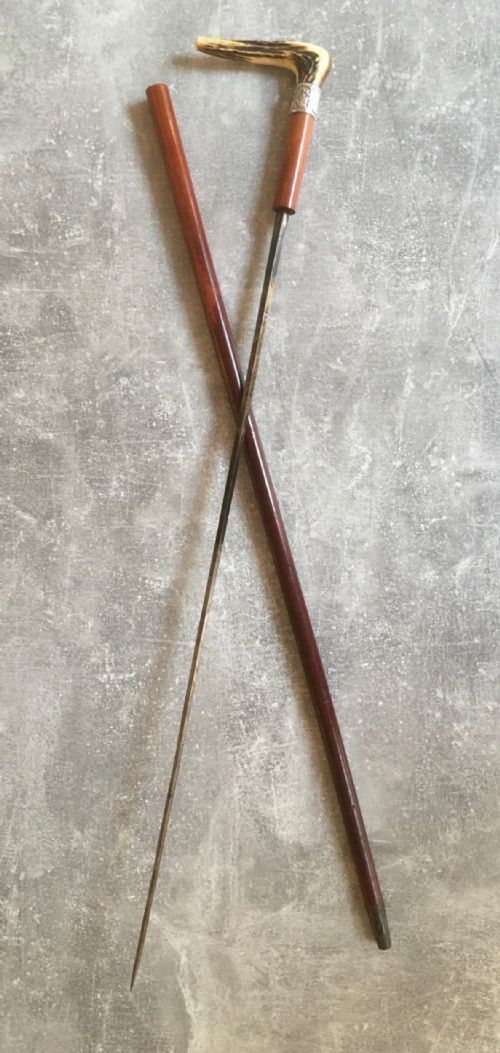


Horn Walking Cane
A horn walking cane carries history in the grip, combining natural materials with practical support and hidden features.
Horn Walking Cane
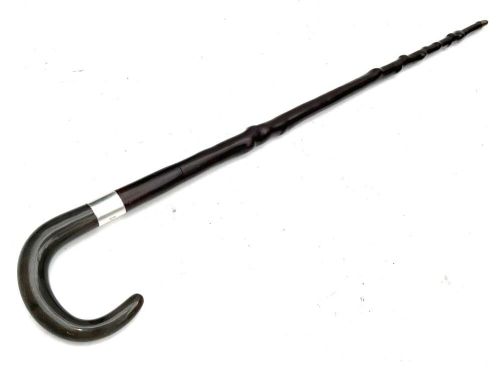
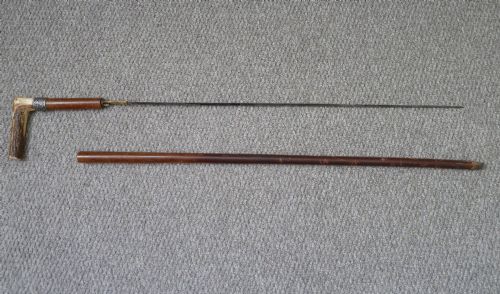
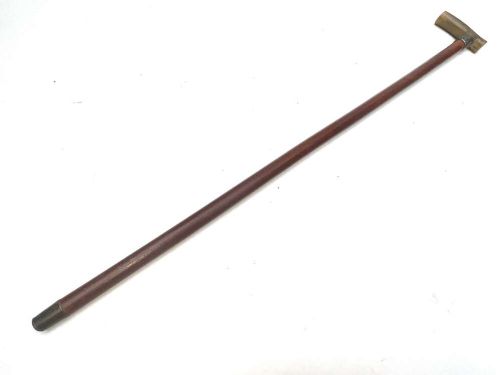
A horn walking cane brings together traditional walking sticks and canes with handles shaped from natural horn or antler, often paired with wooden hafts. The selection includes Victorian Gothic and folk art designs, alongside sword sticks and gadget pieces featuring hidden elements like corkscrews.
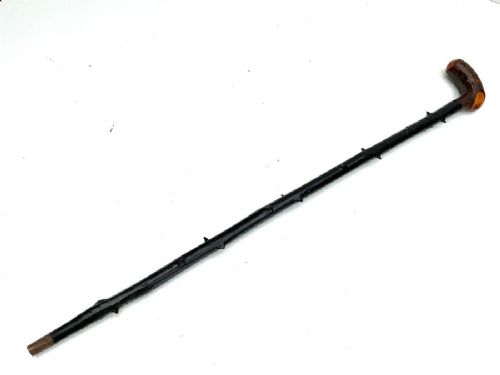
Most examples date from the nineteenth century into the Edwardian era, spanning periods such as Victorian, 1890, and 1900. You will encounter French pieces, maritime folk art, and traditional Irish blackthorn alongside standard gentleman's walking sticks.
Handles range from carved stag horn and domed pommels to rabbit figures and plain horn grips. Shaft materials vary from malacca cane and rosewood to shark vertebrae and whalebone, frequently finished with silver, gold, or brass collars.
Materials and construction
Makers shaped natural horn, antler, and bone into ergonomic handles, often securing them to shafts of wood such as rosewood and malacca cane using metal pins. Metals including steel, brass, and silver formed collars, pommels, and internal blades for sword sticks.
Specialist techniques allowed artisans to incorporate functional mechanisms within timber shafts, such as hidden corkscrews or flute components. Haffs were sometimes covered in snakeskin or constructed from unusual marine materials like shark vertebrae and whalebone.
Horn Walking Cane Retail Price Guide 2026
Typical asking prices for horn walking cane among the pieces listed under this phrase on Sellingantiques today, from the lower quarter to the upper quarter. They describe what is for sale here now, not the wider market.
Assessing quality in horn walking canes
Quality rests in the sculptural detail of the handle carving and the integrity of the join between grip and shaft. Superior pieces display intricate hand-carved motifs on horn or stag horn rather than simple moulded shapes.
The choice of secondary materials elevates a piece, with gold or silver collars and mounted pommels distinguishing finer examples from standard utility sticks. The presence of functional mechanisms, such as tightly fitted sword blades or concealed corkscrews that operate smoothly, marks higher tier craftsmanship.
Brigg's
The Horn Walking Cane Glossary
- Pommel
- A rounded knob forming the handle of a cane or sword stick. It often provides a comfortable grip for the hand.
- Sword stick
- A walking cane containing a concealed blade within the shaft. These dual-purpose items were popular for personal protection in the nineteenth century.
- Malacca cane
- A strong, flexible rattan stem used for walking stick shafts. It is identified by its brownish-yellow colouring and characteristic scale pattern.
- Gadget cane
- A walking stick that conceals an unexpected tool or instrument, such as a corkscrew or flute. They reflect the ingenuity of Victorian makers.
Horn Walking Cane: Frequently Asked Questions
What is a sword stick?
A sword stick is a walking cane designed to conceal a metal blade within its wooden or malacca shaft. The blade locks securely inside until released for use.
These pieces were carried by gentlemen in the nineteenth century for personal defence and as a mark of fashion.
How do I care for a horn handle?
Horn handles require protection from direct sunlight and extreme temperature fluctuations to prevent drying and cracking. Occasional light conditioning with a natural wax keeps the material stable.
Keep the cane in a stable indoor environment and handle the carved grip gently during use.
Are gadget canes rare?
Gadget canes featuring hidden elements like corkscrews, tools, or musical components are uncommon survivals from the Victorian era. Their mechanical complexity makes them desirable for collectors of specialised walking sticks.
Each mechanism varies in design, reflecting the inventive spirit of nineteenth-century makers.
How do I date an antique cane?
Dating relies on stylistic markers, material combinations, and hallmarks found on metal collars or mounts. Pieces from the Victorian and Edwardian periods often feature specific construction traits like tapered shafts and fitted collars.
Maker marks and engraved initials can provide further clues to the decade of manufacture.