



Honey Pine Console
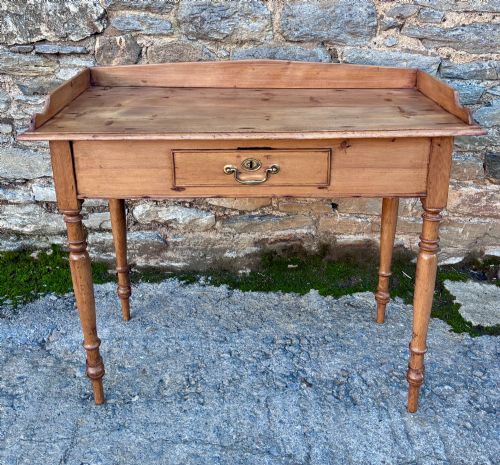
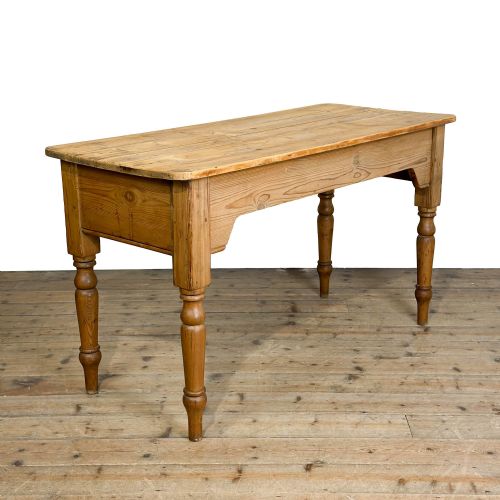
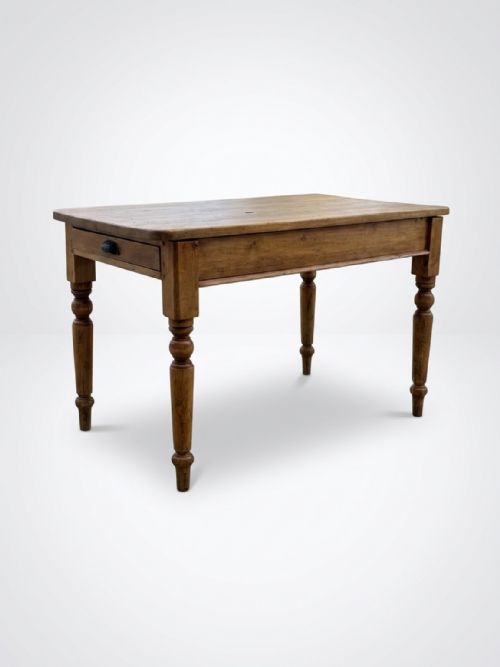
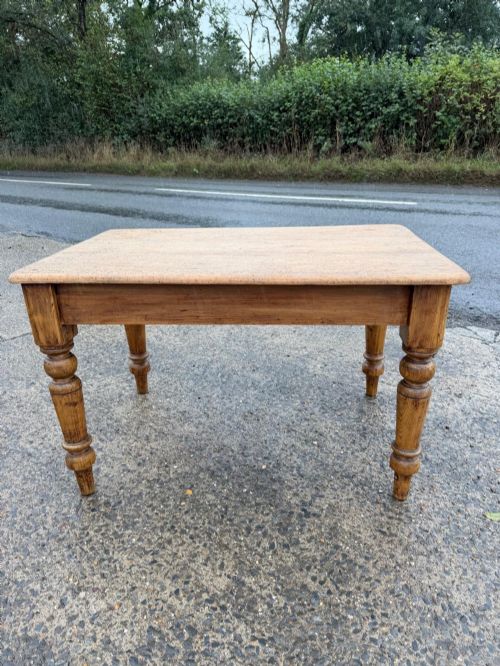
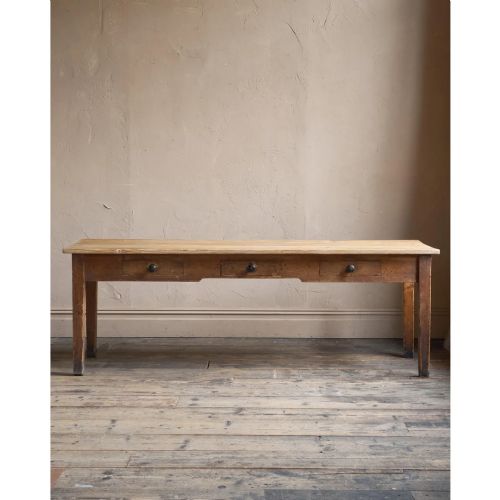
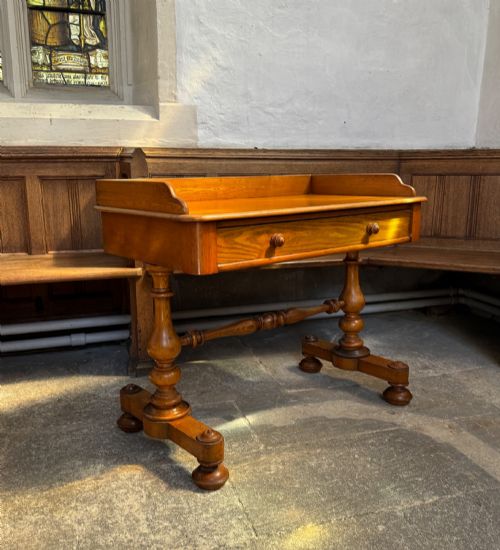
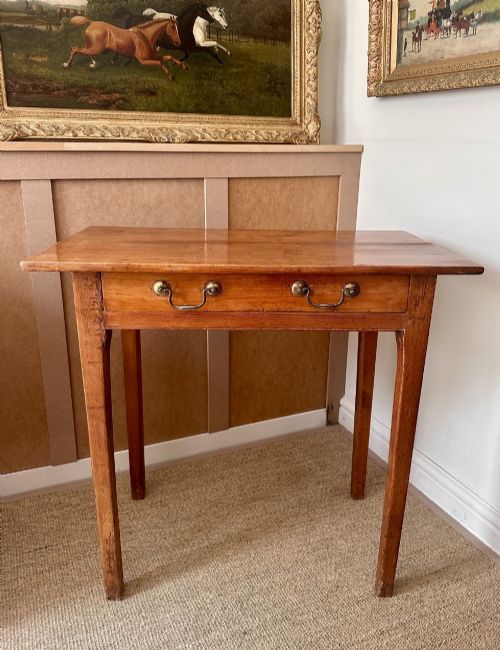
Honey pine console tables bring warmth and utility to hallways and reception rooms, most commonly appearing here as nineteenth century side tables and rustic prep surfaces.
Honey Pine Console
When you search for honey pine console, you encounter practical utilitarian furniture shaped from softwood during the Georgian and Victorian eras. These items served functional roles in kitchens, sculleries, and boot rooms before finding their way into modern living spaces.
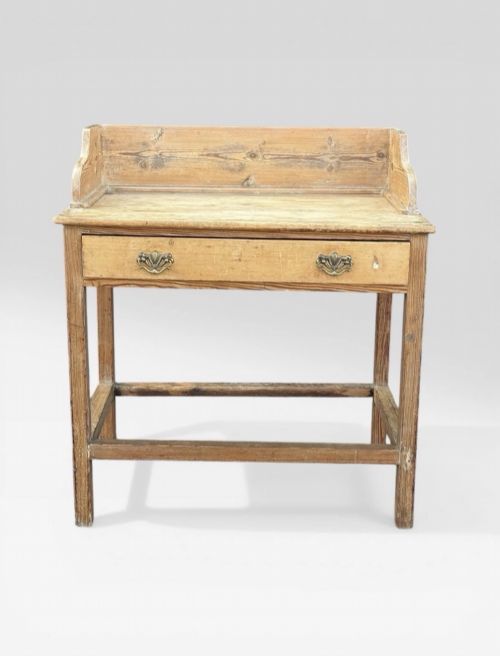
The versions most frequently met on this page span the nineteenth century, taking the form of side tables, washstands, and narrow kitchen tables with simple frieze drawers. Pitch pine variants and stripped softwood examples dominate the selection, often carrying the marks of decades of domestic service.
How they were made
Makers constructed these pieces using solid pine and pitch pine timbers, relying on straightforward joinery suited to everyday domestic use. Drawer construction typically incorporates hand-cut dovetails, while structural joints employ traditional mortise and tenon methods.
Metal fittings such as brass handles and iron brackets appear on selected pieces, reflecting the practical requirements of kitchen and scullery furniture. Surfaces were left bare, scrubbed clean, or treated with historic finishes that have mellowed into a warm amber tone over time.
Honey Pine Console Retail Price Guide 2026
Typical asking prices for honey pine console among the pieces listed under this phrase on Sellingantiques today, from the lower quarter to the upper quarter. They describe what is for sale here now, not the wider market.
Many a Victorian scullery table still bears the faint, honest scars of flour dough and rolling pins from past kitchen prep.
What varies in quality
The distinction between standard utility furniture and finer examples lies in the selection of timber and the restraint of the proportions. Narrower depths and well-balanced drawer arrangements elevate simpler side tables into more considered furnishing pieces.
Integrity of construction and the retention of original brass or metal hardware separate honest provincial pieces from heavily altered examples. Timber density, particularly in pitch pine variants, dictates the solidity and weight of the table.
The Honey Pine Console Glossary
- Pitch pine
- A dense, resinous softwood variety valued for its durability and prominent grain pattern, frequently utilised in Victorian serving and wash tables.
- Frieze
- The horizontal band beneath the tabletop that typically houses one or more storage drawers in side and writing tables.
- Dresser base
- A low utilitarian storage cabinet featuring a sturdy top surface, sometimes equipped with an open lower pot shelf for domestic organisation.
- Scullery table
- A heavy-duty work table designed for food preparation and washing tasks in large nineteenth-century households.
Honey Pine Console: Frequently Asked Questions
Where do honey pine consoles fit best?
These narrow side tables suit narrow hallways, landings, and entrance spaces where floor area is restricted. Their shallow depths allow them to function as surface display areas without obstructing movement.
They also serve effectively behind sofas or as compact writing desks in smaller studies and bedrooms.
How are nineteenth century pine tables cleaned?
Maintenance requires only a soft cloth and occasional application of bees wax to nourish the dry softwood. Avoid harsh chemical cleaners that strip the historic patina from the timber.
Keeping the wood away from direct heat sources prevents the joints from drying out and loosening.
Are these tables suitable for daily use?
Built for rigorous domestic service in sculleries and kitchens, these pieces handle everyday demands reliably. Their solid wood construction provides robust support for lamps, books, and decorative objects.
Simple joinery ensures they remain stable under normal household weights.
How do you distinguish Georgian from Victorian pine?
Georgian pieces generally display more refined proportions and narrower framing timbers compared to later nineteenth-century equivalents. Drawer linings and construction details offer clues to the manufacturing decade.
Victorian examples often embrace a more robust rustic aesthetic, particularly in kitchen and scullery variants.