

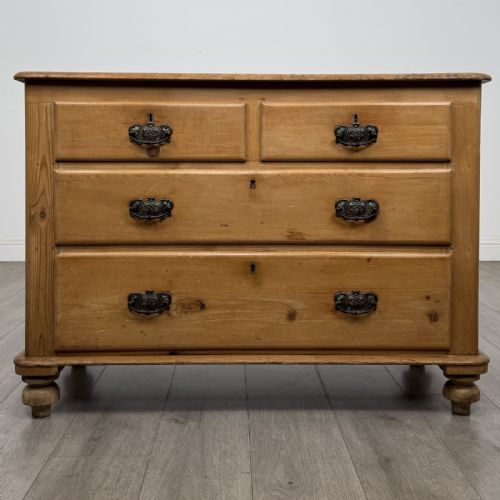
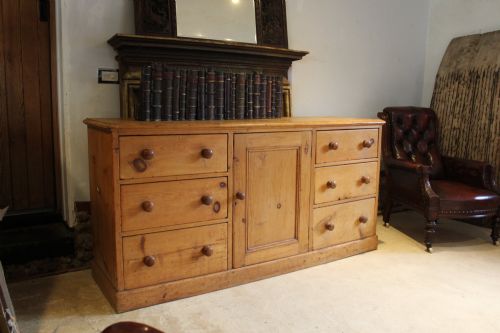
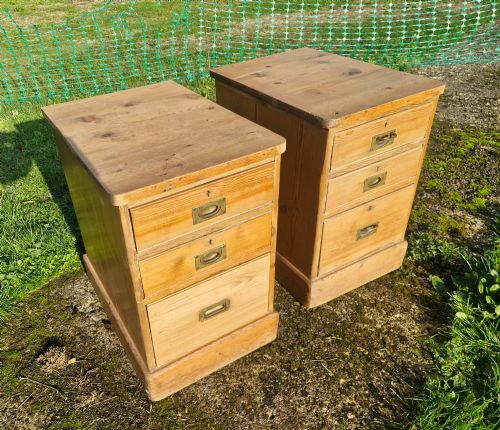
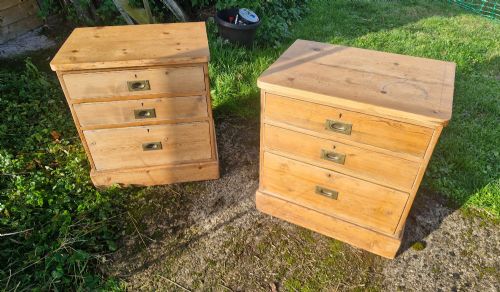

Honey Pine Chests
Honey pine chests bring warmth to a room through their mellow, honeyed timber and honest utility.
Honey Pine Chests
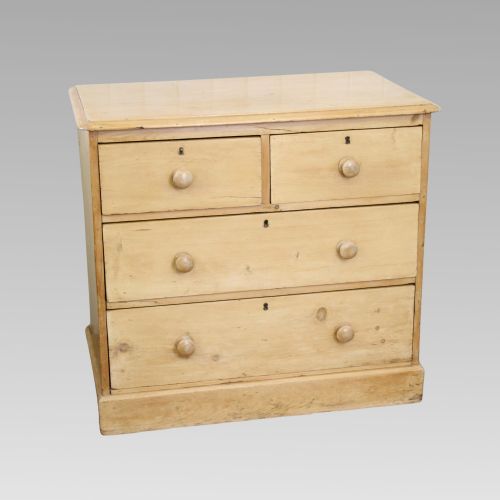
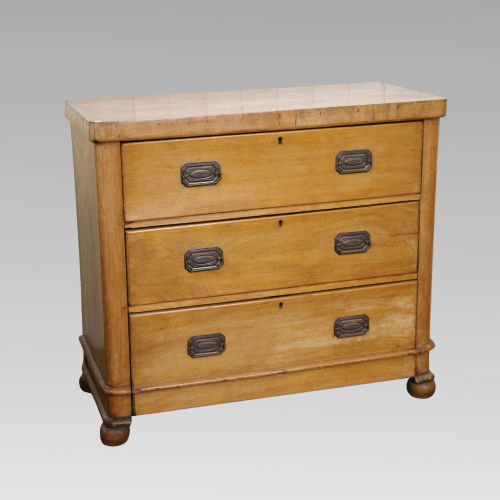
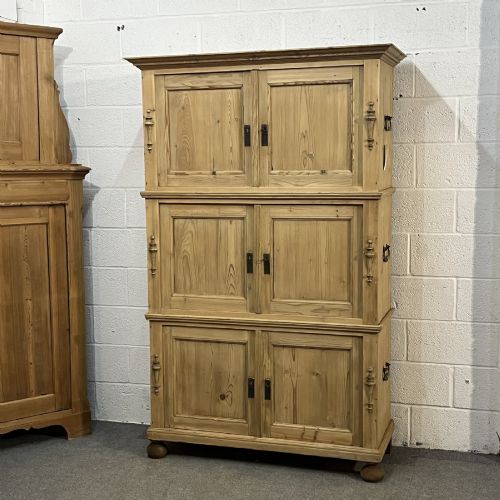
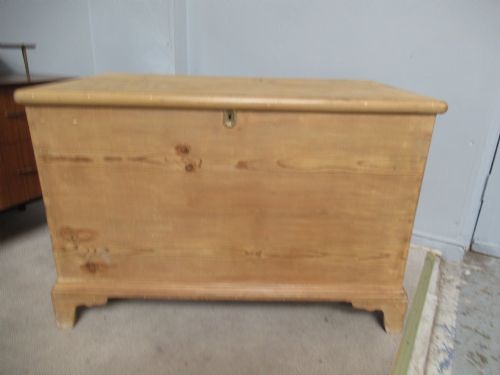
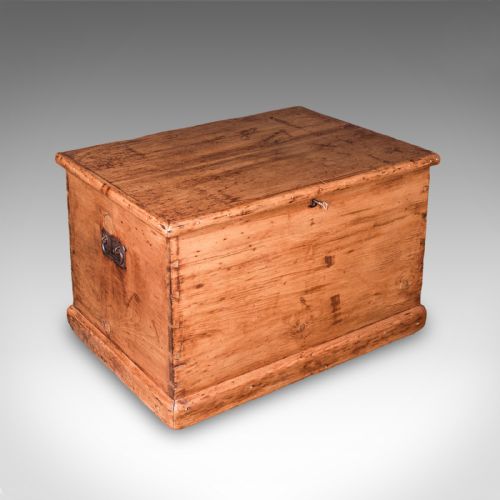
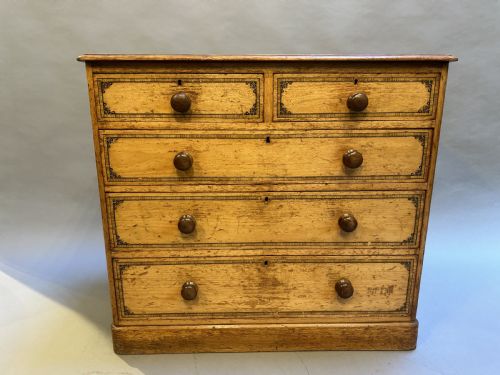
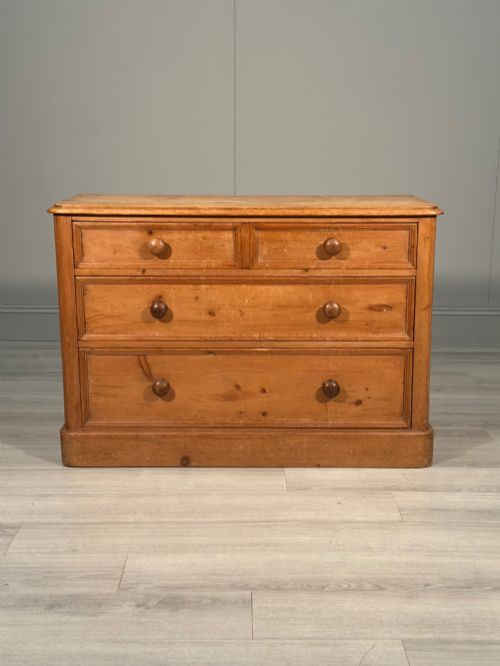
Honey pine chests encompass storage pieces built from softwood, most frequently taking the form of traditional chests of drawers, blanket boxes, and mule chests. These items span periods from the Georgian era through to the early twentieth century, with Victorian examples appearing most frequently.
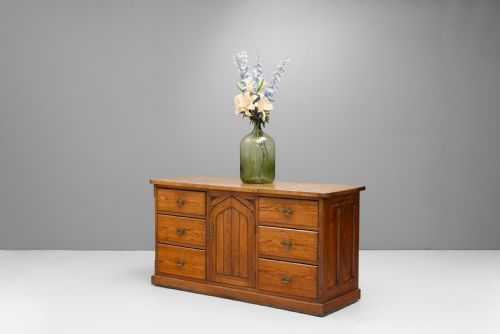
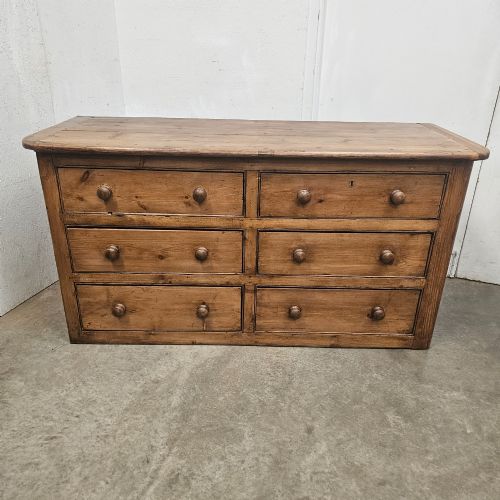
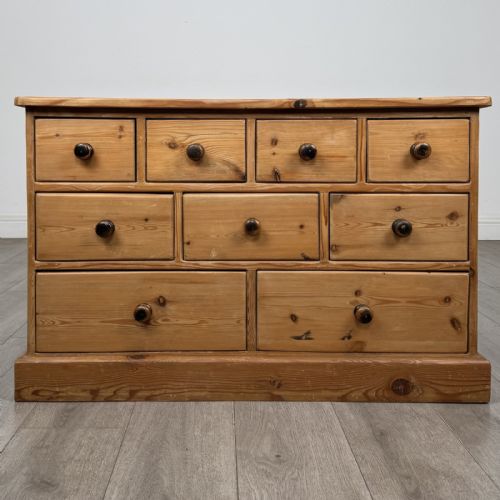
Buyers will encounter various regional expressions alongside standard domestic forms, including Welsh and Irish pieces, as well as specialised configurations like apothecary drawers, plan chests, and campaign furniture. The common thread is the warm, waxed or patinated pine timber that defines their visual appeal.
How they were made
Construction relies heavily on solid pine and pitch pine timbers, frequently enhanced with brass and iron hardware such as side handles, strapwork, and campaign mounts. Surfaces are typically finished with wax to bring out the natural grain and golden tones of the wood.
Joinery techniques range from simple box construction on blanket boxes to dovetailed drawer construction on chests, often incorporating turned legs, plinths, or internal compartments. Glass and bone accents occasionally appear on specific Victorian iterations, while stencilling provides surface decoration on select examples.
Honey Pine Chests Retail Price Guide 2026
Typical asking prices for honey pine chests among the pieces listed under this phrase on Sellingantiques today, from the lower quarter to the upper quarter. They describe what is for sale here now, not the wider market.
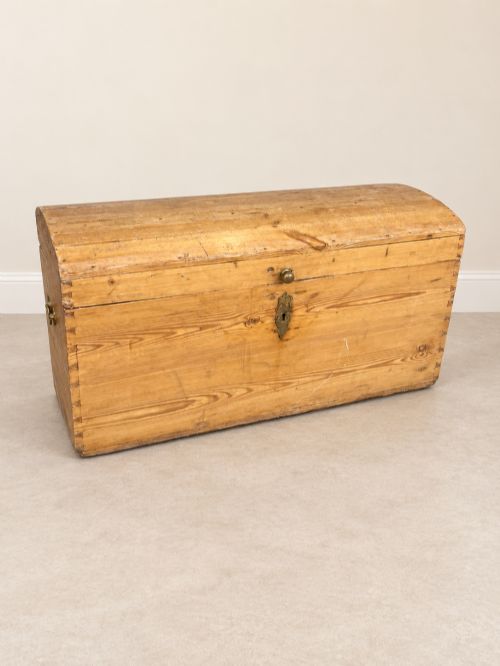
Some trunks retain small internal compartments once used by travellers to hide sovereigns or secret love letters from prying eyes.
What varies in quality
Quality in these pieces is dictated by the depth of timber patina, the integrity of the original construction, and the presence of thoughtful details such as turned feet, brass binding, or fitted internal drawers. Simpler utilitarian boxes sit at one end of the scale, while elaborate campaign pieces or multi-drawer apothecary chests represent more intricate craftsmanship.
The choice between standard pine and denser pitch pine also alters the character of a piece, as does the survival of original surface treatments like traditional wax finishes or period stencilling.
The Honey Pine Chests Glossary
- Pine
- A softwood timber widely used in British furniture making for its workability and receptive surface, developing a warm honey tone over time. It forms the primary structure of all pieces listed here.
- Pitch pine
- A harder, heavier variety of pine known for its prominent grain pattern and resinous content. It was frequently utilised for robust trunks and heavy chests.
- Campaign style
- Furniture designed for portability, typically fitted with recessed brass handles and corner brackets to withstand travel. These pieces often feature collapsible elements or sturdy trunk construction.
- Mule chest
- A storage chest featuring one or more drawers beneath the main compartment. This form bridges the gap between the traditional blanket box and the chest of drawers.
- Apothecary style
- A configuration characterised by numerous small drawers intended for sorting medicines or specimens. Surviving examples offer exceptional compartmental storage.
Honey Pine Chests: Frequently Asked Questions
How do I care for a waxed pine chest?
Maintain the finish by applying a natural beeswax periodically and buffing gently with a soft cloth. Avoid placing the timber in direct sunlight or near heat sources to prevent the wood from drying out.
Keep moisture away from the surface by using coasters or mats. Simple dusting with a dry cloth is sufficient for regular maintenance.
What is the difference between a blanket box and a mule chest?
A blanket box is a simple lidded trunk used primarily for storing textiles and linens. It consists of a single compartment accessed from the top.
By contrast, a mule chest incorporates one or more drawers beneath the main lift-top compartment. This addition allows for easier organisation without needing to lift items from the upper section.
How can I tell a Victorian pine chest from a Georgian one?
Georgian pieces generally exhibit simpler, more restrained proportions and earlier construction methods. They tend to have cleaner architectural lines before the more ornate turned legs and varied configurations of the Victorian period became popular.
Victorian examples frequently display turned feet, decorative stencilling, or specialised internal fittings like the multi-drawer arrangements seen in apothecary or apothecary-style pieces.
Are campaign style pine chests authentic travel pieces?
Many campaign pieces were built for officers or travellers requiring sturdy, transportable furniture. The inclusion of brass corners and recessed side handles protected the edges during movement.
While some served on actual journeys, others were produced domestically to satisfy the aesthetic popularity of travel-inspired design during the late nineteenth and early twentieth centuries.