

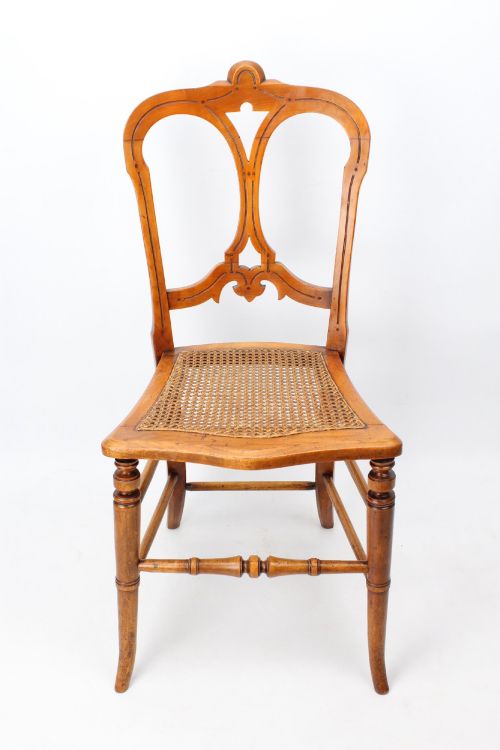
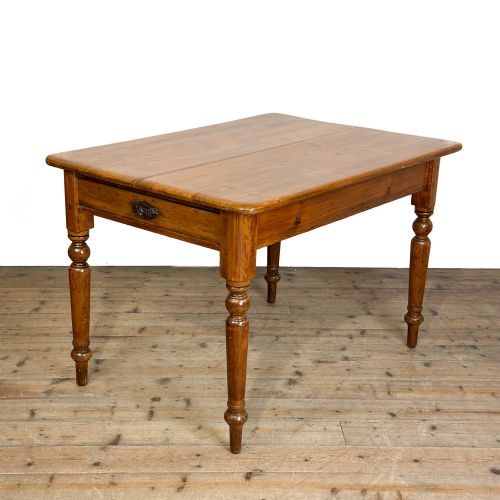
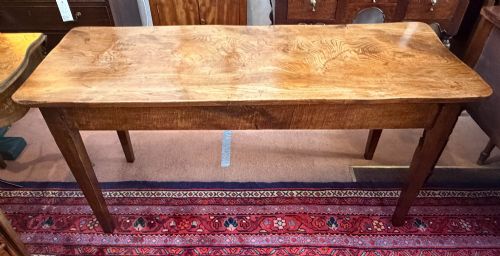
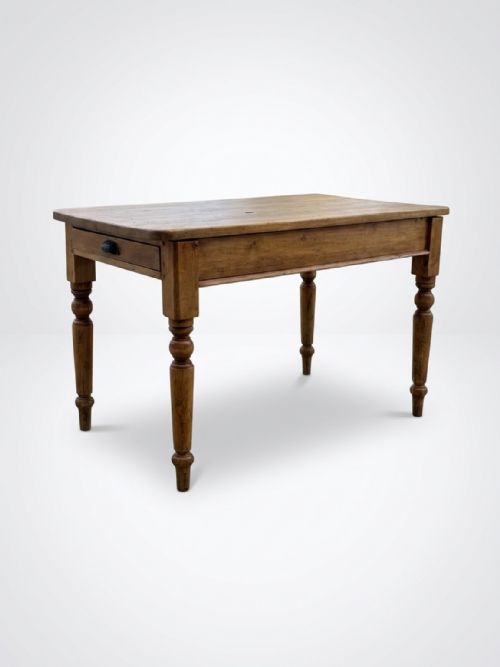
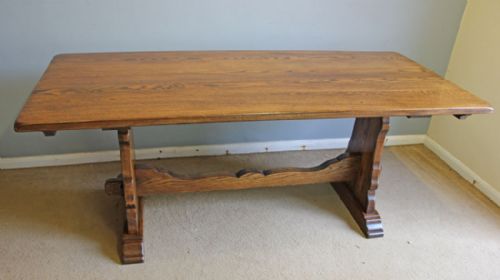


Honey Brown Wooden Table
These pieces known as a honey brown wooden table bring warmth and history into daily use through honest grain and practical design.
Honey Brown Wooden Table
When you search for a honey brown wooden table, you encounter domestic surfaces shaped by centuries of use and regional workshop traditions. The selection spans robust dining tables, side tables, and writing tables created to serve daily needs in homes and kitchens.
You are most likely to meet nineteenth-century examples and earlier provincial forms on this page. These include farmhouse dining tables, kitchen tables with bread slides, and compact oak dresser bases.
The origins stretch across English country workshops and French provincial settings. Makers shaped these domestic surfaces from regional timbers to endure generations of household activity.
How they were made
Workshops constructed these tables using solid regional timbers selected for durability and warm natural tones. Oak, elm, fruitwood, and pine form the primary structural bodies, complemented by occasional brass and metal hardware.
Joinery methods relied on traditional pegging and mortise and tenon techniques suited to heavy daily wear. Surfaces show the marks of hand planning and natural ageing rather than modern industrial finishes.
Honey Brown Wooden Table Retail Price Guide 2026
Typical asking prices for honey brown wooden table among the pieces listed under this phrase on Sellingantiques today, from the lower quarter to the upper quarter. They describe what is for sale here now, not the wider market.
Listings feature items built from oak, elm, fruitwood, and pine across the eighteenth and nineteenth centuries.
What varies in quality
Quality rests in the integrity of the timber selection and the restraint of past restoration work. Pieces retaining their original top boards and honest patination stand apart from those with heavy timber replacement.
Proportion and structural honesty separate standard utility boards from finer regional workshop output. The depth of the natural grain and the stability of the original base frame dictate the standing of each piece.
Heal's
The Honey Brown Wooden Table Glossary
- Refectory table
- A long narrow dining table originally designed for communal dining halls. These examples often feature stretcher bases for added stability.
- Bread slide
- A pull-out wooden board integrated beneath the table top. It provided extra surface area for slicing bread in traditional kitchens.
- Dresser base
- A low storage unit featuring drawers and cupboards beneath a flat top surface. These pieces served as primary workspace and storage in older kitchens.
- Fruitwood
- Timber harvested from fruit-bearing trees such as cherry or pear. It yields a dense grain and rich warm colour suited to smaller tables.
Honey Brown Wooden Table: Frequently Asked Questions
How do I care for a honey brown wooden table?
Clean surfaces using a slightly damp cloth and dry immediately to protect the historic finish. Avoid placing timber near direct heat sources to prevent timber splitting.
Apply natural beeswax periodically to nourish the grain and maintain the soft sheen developed over generations.
How do I identify the wood type?
Oak displays distinct medullary rays and an open grain pattern, while elm shows a characteristic interlocking grain. Pine is lighter in weight with softer knots.
Fruitwood yields a tighter, smoother grain with warm honey and reddish tones.
What is a bread slide used for?
The pull-out slide provided extra workspace for food preparation in traditional kitchens. Bakers rested loaves upon it while slicing.
Today it serves as a charming functional detail demonstrating the original domestic purpose of the table.