




Historical Textile
A historical textile is a surviving fragment of past craftsmanship, offering a tangible link to centuries of needlework, weaving, and domestic art.
Historical Textile
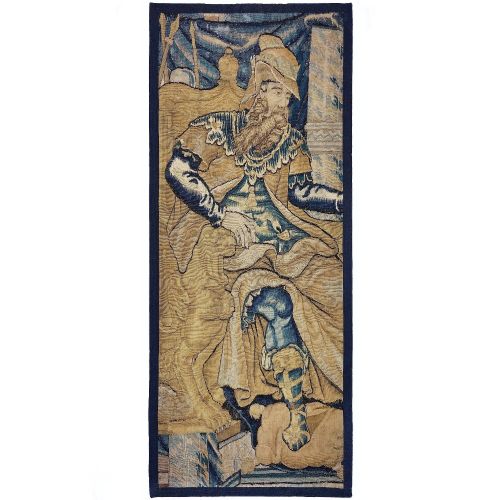
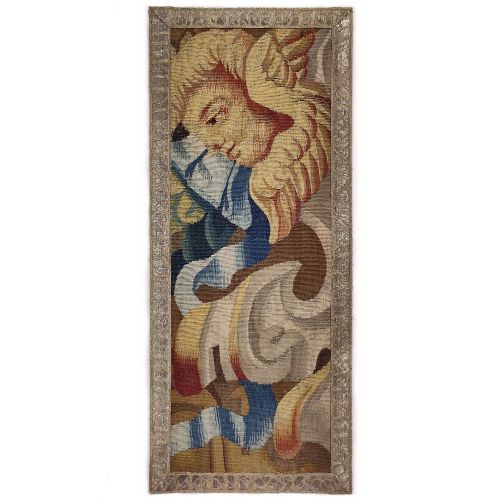
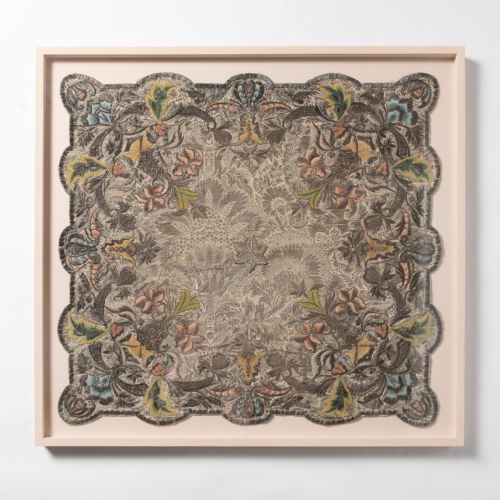
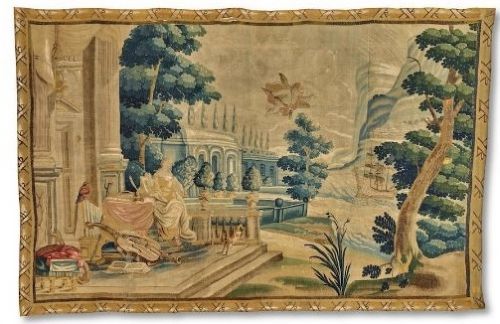
A historical textile encompasses a wide range of fabric-based works, from framed needlework samplers and embroidered panels to large wall tapestries and burial cloth fragments. These items serve as historical documents, often bearing dates, maker names, or specific cultural scenes.
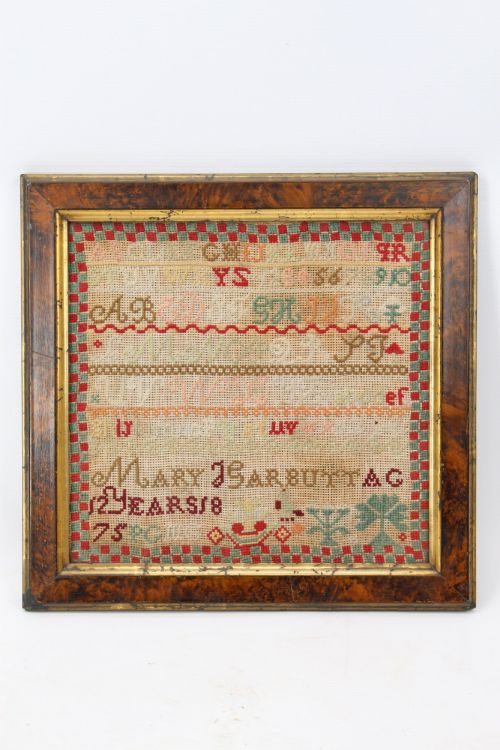
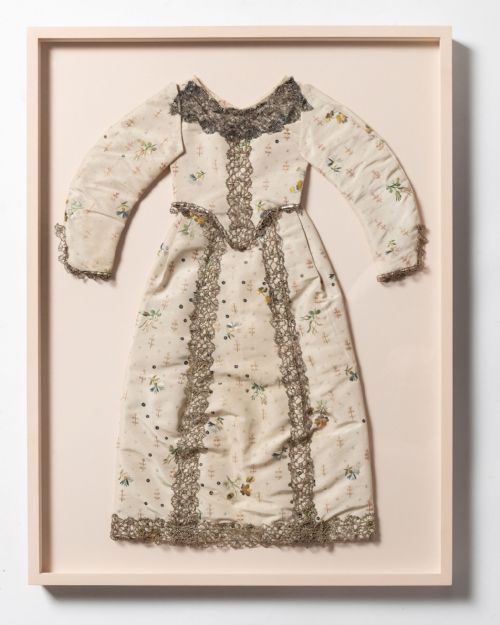
The selection ranges from sixteenth-century North German tapestries and seventeenth-century Flemish pieces to eighteenth-century French silk works and nineteenth-century schoolgirl samplers. Buyers frequently encounter framed needlework pictures and textile art mounted for display.
Originating across England, France, Germany, and the Low Countries, these objects reflect the domestic, decorative, and commemorative practices of their respective eras. Their forms vary from functional cushions and coverlets to purely decorative wall art.
How they were made
Makers utilised natural materials such as silk, wool, linen, and cotton, frequently combining them with metallic threads to add luminosity to embroidered scenes and tapestries. Ground fabrics provide the stable base upon which intricate needlework or woven imagery is constructed.
Techniques range from counted-thread samplers and fine silk embroidery to heavy woollen tapestry weaving and ciselé silk velvet production. Artisans employed specialised stitches and looms to achieve detailed pictorial representations, such as mythological narratives and horse racing tracks.
Historical Textile Retail Price Guide 2026
Typical asking prices for historical textile among the pieces listed under this phrase on Sellingantiques today, from the lower quarter to the upper quarter. They describe what is for sale here now, not the wider market.
Listings feature textiles spanning from the sixteenth century to the mid-twentieth century, utilising silk, wool, linen, and metal thread.
What varies in quality
Quality rests in the precision of the execution, the complexity of the design, and the survival of the original materials. Finer pieces display sophisticated polychrome threadwork, careful anatomical proportions in figures, and legible inscriptions that anchor the work in its period.
The overall condition of the fibres and the integrity of the mounting or framing heavily influence the stature of a piece. Works retaining their original scale, vibrant dye colours, and clear provenance stand apart from heavily degraded fragments.
The Historical Textile Glossary
- Sampler
- A piece of needlework produced by a beginner or child to demonstrate mastery of various stitches and alphabets. They often include dates, names, and pious verses.
- Tapestry
- A form of textile art traditionally woven on a vertical loom, featuring pictorial designs created by interweaving warp and weft threads. These were often hung on walls for warmth and decoration.
- Ciséle velvet
- A velvet fabric where the pile is cut in relief to form a pattern against an uncut or lower pile background, common in luxury furnishings.
- Toile de Jouy
- A type of eighteenth-century cotton or linen fabric printed with repetitive pastoral or historical scenes, usually in a single colour on a light ground.
- Metal thread
- Fine wire made of silver, gold, or gilt metal, used in embroidery to add reflective detail and status to a textile.
Historical Textile: Frequently Asked Questions
How should I clean a historical textile?
Historical textiles require specialist conservation rather than standard washing, as old fibres and metallic threads degrade easily.
Dusting gently with a soft brush or consulting a professional textile conservator is the safest approach to maintain the fabric.
Can I hang these textiles in direct sunlight?
Direct sunlight causes natural dyes in silk, wool, and cotton to fade rapidly, permanently dulling the embroidered or woven colours.
Displaying pieces away from windows or using UV-filtering glass for framed items helps preserve their visual integrity.
What is the difference between a sampler and a tapestry?
A sampler is typically an embroidered exercise created by an individual to practice stitches, often featuring alphabets and personal names.
A tapestry is a large, woven wall hanging depicting complex scenes, produced on a loom by professional weavers rather than stitched by hand.
How do I date an antique textile?
Dating relies on stylistic clues, stitched dates, maker signatures, and the specific type of materials and weaves utilised in the construction.
Comparing the imagery, such as costume details or historical events depicted, alongside any accompanying provenance helps narrow down the century.