

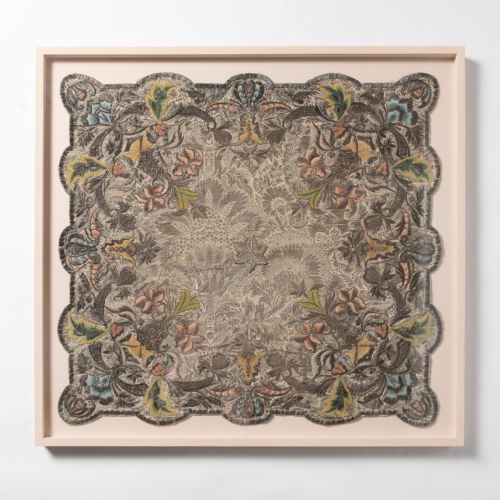


Historical Textile Panels
Historical textile panels are woven and embroidered fragments of the past that bring texture, colour and storytelling directly to modern walls.
Historical Textile Panels
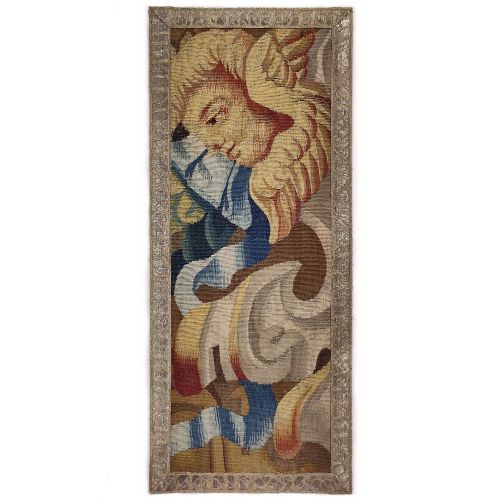
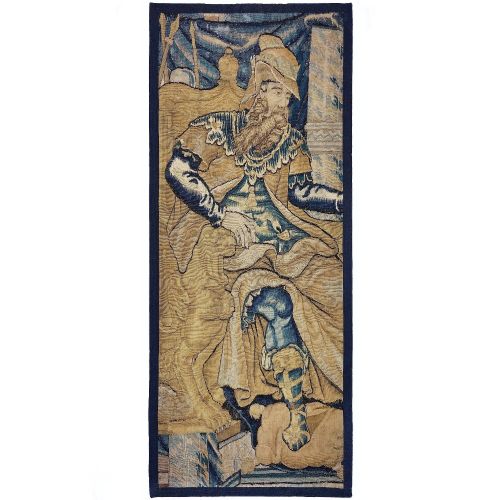
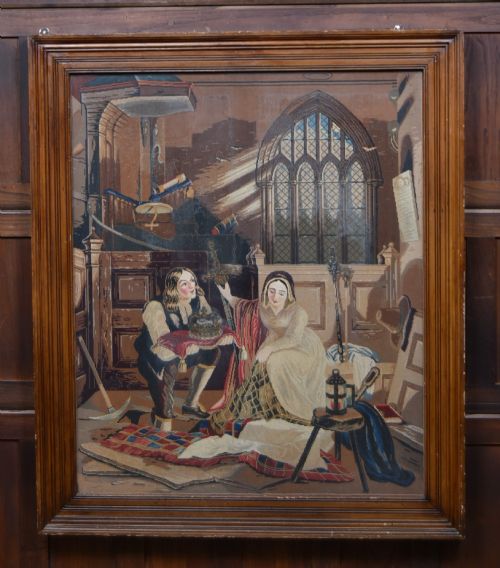
When you search for historical textile panels, you encounter a diverse range of fabric works that span centuries of domestic and professional needlecraft. These pieces include framed needlework samplers, wall tapestries, embroidered linen coverlets, and printed Toile de Jouy fragments. Each object represents a distinct tradition of textile art preserved from earlier eras.
The selections on this page draw heavily from the eighteenth and nineteenth centuries, alongside earlier seventeenth and sixteenth-century examples. You frequently meet framed needlework samplers bearing young makers' names and dates, as well as larger wall hangings and tapestry cushion covers. These varied formats show how historic fabrics have been adapted for display across different periods.
Origin and style vary widely across the inventory, incorporating French Rococo, Gothic Revival, and eighteenth-century British and Dutch aesthetic influences. Whether you examine a North German tapestry fragment or an embroidered silk and metal thread panel, the focus remains on preserved historic textile artistry. These pieces function primarily as wall art and textile displays in contemporary interiors.
Materials and construction methods
Makers utilised natural fibres such as wool, silk, linen, and cotton as the foundational grounds and working threads for their creations. Metal threads frequently appear alongside silk in embroidered panels, adding reflective detail and formal weight to the composition. Canvas and coarse linen provide the sturdy base required for needlework samplers and heavy tapestry weaving.
Techniques range from counted-thread embroidery and intricate needlework to tapestry weaving and printed textile production. Ciselé silk velvet hangings demonstrate complex pile-weaving methods, while Toile de Jouy fragments showcase historical textile printing techniques. Skilled hands executed each stitch or weave using traditional hand tools before framing or mounting the resulting panels.
Historical Textile Panels Retail Price Guide 2026
Typical asking prices for historical textile panels among the pieces listed under this phrase on Sellingantiques today, from the lower quarter to the upper quarter. They describe what is for sale here now, not the wider market.
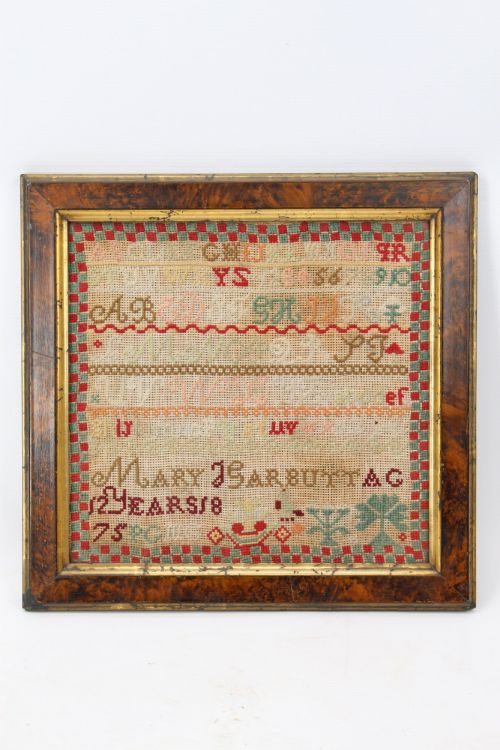
Young Mary J Garbutt immortalised her exact age as twelve years old in her 1875 sampler, leaving a permanent personal milestone.
Assessing quality in textile panels
Quality in historical textile panels rests upon the fineness of the execution and the preservation of the original materials. Tightly worked stitches, complex colour palettes, and intricate pictorial details distinguish superior needlework and weaving. The integrity of the ground fabric and the stability of the fibres dictate how well a piece has survived the centuries.
The Historical Textile Panels Glossary
- Sampler
- A piece of needlework produced by a maker to demonstrate proficiency in various stitches and patterns. These often include alphabets, numbers, names, and dates.
- Tapestry
- A form of heavy textile art woven by hand on a loom, typically featuring pictorial scenes or decorative designs. Historical examples often served as wall hangings or cushion covers.
- Ciselé velvet
- A velvet fabric where the pattern is created by cutting some pile loops while leaving others uncut. This technique produces contrasting textures within the textile surface.
- Toile de Jouy
- A type of historic printed fabric featuring repeating pictorial scenes, usually printed in a single colour on a light linen or cotton background.
- Metal thread
- A fine thread made from or wrapped in metals like gold or silver, used in embroidery to add metallic sheen and decorative richness.
Historical Textile Panels: Frequently Asked Questions
How do I hang a textile panel safely?
Mount historical textile panels behind conservation-grade glass when dealing with delicate embroideries and samplers to protect the fibres from dust and handling. Larger tapestries and heavy wall hangings often require specialised fabric sleeves or professional mounting systems that distribute the weight evenly.
Keep framed and mounted textiles away from direct sunlight and damp environments to prevent fading and material degradation over time. Proper environmental control ensures these fragile historic pieces remain stable for decades to come.
What is the difference between a sampler and a tapestry?
A sampler is primarily an exercise in needlework where a maker demonstrates various stitches, often recording their name, age, and a specific date. These are typically worked in thread on linen or canvas and framed as individual pictures.
A tapestry is a woven pictorial textile produced on a loom rather than embroidered with a needle. Tapestries generally depict complex scenes and served historically as wall coverings or large furnishings.
How can I tell the period of a textile panel?
Dating a textile panel relies on examining the materials, stitching styles, dyes, and any inscribed names or dates. Eighteenth-century pieces often feature specific silk and metal thread work or French Rococo design motifs, while Victorian samplers frequently display precise lettering and documented maker details.
Comparison with dated examples in museum collections or established archives helps confirm the era of execution. The type of framing and the condition of the backing materials also provide physical clues to the age of the piece.
Were these panels originally meant for walls?
Many textile panels served functional purposes before being framed and displayed as art in later centuries. Coverlets, cushion covers, and bed furnishings were made for everyday domestic use, while samplers were created as educational exercises.
Over time, surviving fragments and completed works were mounted as wall art to protect them from further wear. This shift in function preserves fragile historical textiles for decorative and study purposes today.