




Historical Sign
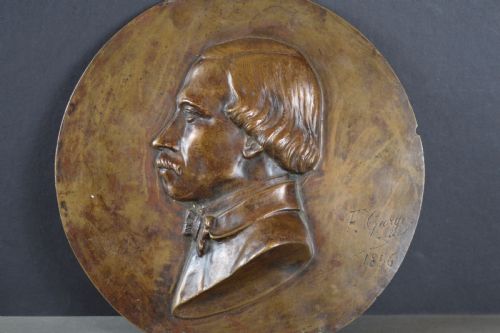
A historical sign is an authenticated painted portrait, manuscript or bronze plaque capturing a notable past figure, offering direct contact with bygone centuries.
Historical Sign
When buyers search for a historical sign, they encounter signed paintings, watercolours, and manuscript letters that record figures from the seventeenth century through to the twentieth century. These pieces function as visual and textual records of monarchs, bishops, military commanders, and literary figures.
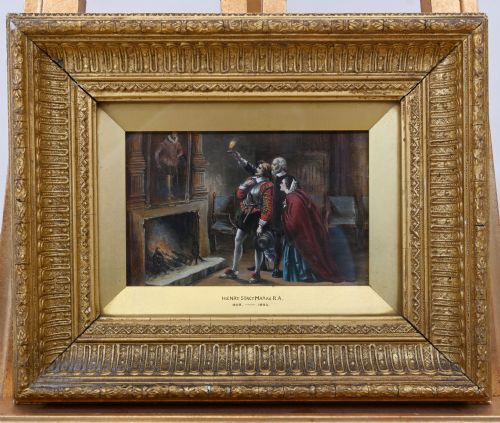
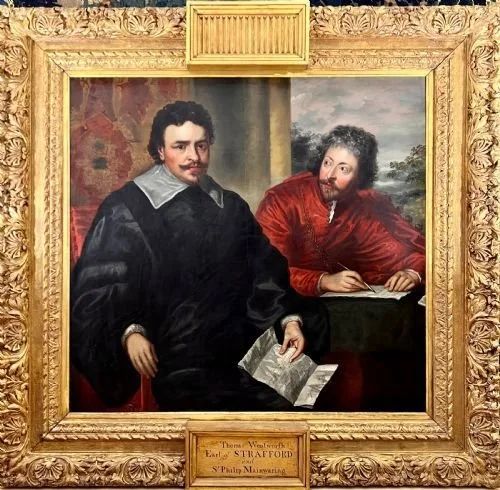
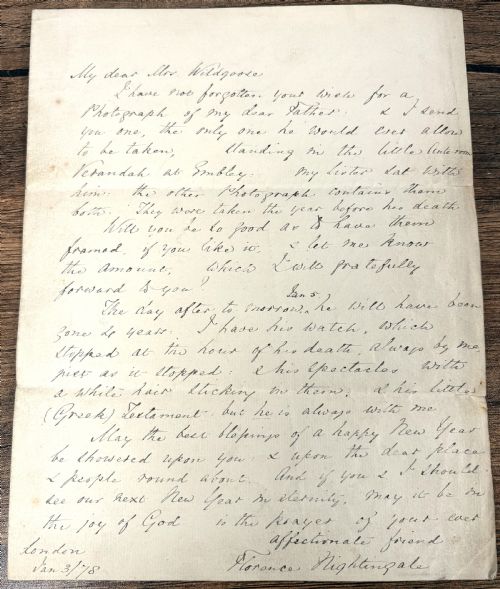
The selection on this page relies heavily on nineteenth-century and seventeenth-century works, spanning oil paintings on canvas and copper, detailed pencil drawings, and signed correspondence. Portraiture dominates the offerings, capturing subjects ranging from Shakespeare and Oliver Cromwell to Florence Nightingale.
Buyers will find both intimate portrait miniatures and large canvas works, alongside maritime scenes and military depictions such as the Battle of Waterloo. Each item bears the signature or inscription of the artist, maker, or writer, grounding the piece in a specific historical moment.
Materials and Technique
Artists and makers utilised traditional mediums including oil paint on canvas, prepared copper plates, and delicate watercolours on paper. Ink and graphite appear across manuscripts, letters, and preliminary pencil drawings, capturing fine linear details.
Support materials range from stretched canvas and heavy paper to solid bronze plaques and gilt wood frames. The handling of oil paint varies from smooth seventeenth-century glazes to the robust brushwork found in later military and marine realism.
Historical Sign Retail Price Guide 2026
Typical asking prices for historical sign among the pieces listed under this phrase on Sellingantiques today, from the lower quarter to the upper quarter. They describe what is for sale here now, not the wider market.
A Victorian lady poses alongside her spaniel in a detailed pencil drawing, immortalising a quiet domestic partnership from 1845.
Assessing Quality
Quality rests upon the strength of the provenance, the clarity of the signature, and the significance of the historical sitter. Works by well-documented portraitists or those bearing direct inscriptions offer greater insight into the period.
The preservation of the medium, whether oil, watercolour, or ink, dictates the visual impact of the piece. Crisp lines in graphite drawings and stable paint layers on copper or canvas distinguish superior examples from heavily restored ones.
Trajan Hughes·Alfred George Morgan·Thomas Woolnoth·Frank Wood·Henry Sperron Tozer·Christoffel Bisschop·Theobald Chartran·Fred Lawson
The Historical Sign Glossary
- Provenance
- The documented history of ownership of an artwork or artefact. This record helps confirm the authenticity and lineage of a historical piece.
- Pinxit
- A Latin term meaning he or she painted it, frequently inscribed beside an artist signature on historical portraits. It denotes the authorship of the canvas.
- Oil on copper
- A technique where artists painted directly onto a prepared copper sheet rather than canvas. This method provides a smooth, luminous surface that preserves fine detail exceptionally well.
- Autograph
- A manuscript, letter, or document written or signed in the hand of a historical personage. These items carry direct personal connection to the individual named.
- Maritime realism
- An artistic style focused on accurate, detailed depictions of ships, naval battles, and coastal dockyards. Practitioners of this style emphasised technical precision in rigging and vessel design.
Historical Sign: Frequently Asked Questions
What periods do these pieces represent?
The items span from the seventeenth century through the Victorian era and into the early twentieth century. They reflect stylistic shifts from Baroque portraiture to military realism and Edwardian maritime art.
Specific dates on canvases, letters, and drawings anchor the works firmly within their respective decades, offering a chronological view of portraiture and documentation.
How should I display a signed manuscript letter?
Paper documents and letters require conservation-grade framing with UV-filtering glass to protect fragile ink and paper from light damage. Keep them away from direct sunlight and damp environments.
Displaying them in rooms with stable temperature and humidity preserves the integrity of both the paper and the handwritten signature.
Are these portraits contemporary to the sitters?
Many portraits were painted during the lifetime of the subject, captured by artists who observed them directly or worked from life sittings. Examples include seventeenth-century canvas portraits and Victorian studies.
Other works record historical figures retrospectively, utilising earlier likenesses to commemorate notable individuals from past centuries.
What is the significance of artist signatures on these works?
Signatures, monograms, and inscriptions link the artefact directly to the creator, validating the attribution and aiding in dating the piece. They often appear alongside dates or Latin terms like pinxit.
Finding a clear signature enhances the historical context, connecting the hand of the artist with the identity of the sitter.