




Historical Sepia Print
A historical sepia print captures past lives and lost eras in monochrome tones, offering a tangible link to earlier centuries.
Historical Sepia Print
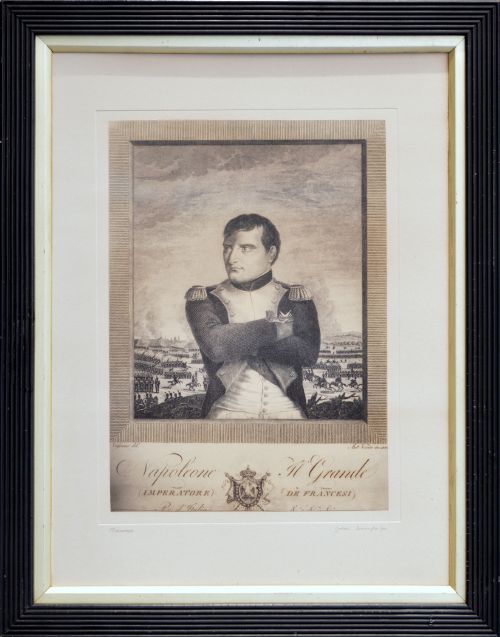
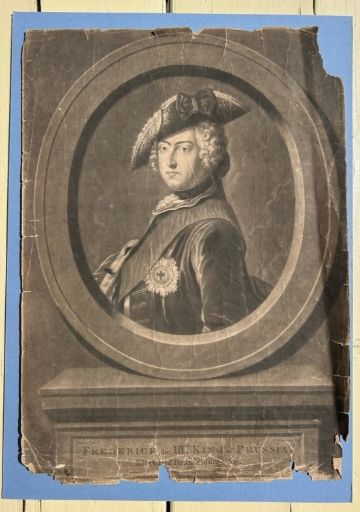
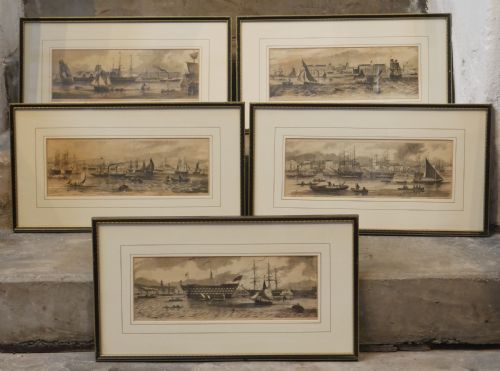
When buyers search for a historical sepia print, they encounter a range of monochrome imagery spanning from the eighteenth century through to the early twentieth century. These works capture subjects as varied as naval engagements, royal reviews, portraits of military captains, and academic figure studies.
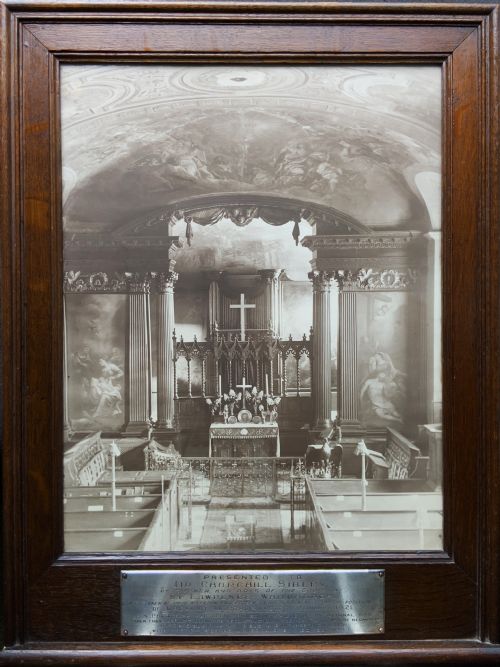
The selection on this page includes framed engravings, mezzotints, photographic prints, lithographs, and pen and ink drawings. Pieces from the eighteenth century sit alongside Victorian and Edwardian examples, offering diverse windows into historical events and personalities.
Most pieces arrive framed under glass, often housed in wood frames such as mahogany or gilded wood. The physical form ranges from single framed portraits to sets of naval or photographic prints intended for wall display.
Materials and methods
These works rely primarily on paper supports combined with ink, oil paint, or photographic chemistry to produce monochrome images. Techniques visible in the listings include mezzotint engraving, lithography, pen and ink work, and early photography.
Many items incorporate glass protection and wooden framing elements, occasionally featuring gilt or gilded wood moulding. The physical components reflect traditional framing practices suited to preserving delicate paper works.
A bulldog named Lucy rubs shoulders with naval captains and racehorses in this eclectic historical gallery.
Assessing quality and execution
Quality in these works rests upon the precision of the medium, whether through the fine tonal gradations of a mezzotint or the crisp detail of a period engraving. Skilled execution by named artists or publishers elevates a piece above standard decorative ephemera.
The integrity of the paper support and the harmony of the framing materials also influence the standing of an item. Intact sets and works retaining original mounts demonstrate higher preservation value.
The Historical Sepia Print Glossary
- Mezzotint
- A printmaking process where the copper plate is roughened to achieve rich dark tones and subtle gradations of light. This technique allows for remarkably smooth tonal transitions compared to standard line engraving.
- Engraving
- A method of cutting a design into a hard plate, usually metal, using a sharp tool to hold ink. The resulting impressions on paper display sharp, precise lines.
- Lithography
- A planographic printing process based on the repulsion of oil and water on a flat stone or metal plate. It enabled the efficient reproduction of detailed illustrations and artworks.
- Reverse glass painting
- An art form where the image is painted directly onto the back of a piece of glass and viewed from the front. This technique protects the pigment and produces a luminous finish.
- Toile de Jouy
- A cotton or linen fabric featuring printed repeating pastoral or historical scenes, typically in a single colour. Fragments of this textile are sometimes framed as decorative art.
Historical Sepia Print: Frequently Asked Questions
How do I date a sepia print?
Dating relies on the paper type, printing technique, and stylistic clues within the subject matter, such as military uniforms or architecture. Reference to documented historical events also helps narrow the period.
Examining any accompanying inscriptions, framing methods, and publisher marks provides further confirmation of the era in which the piece was produced.
Are these prints original period pieces?
The inventory comprises original works from the periods stated, ranging from the eighteenth century to the early twentieth century. Each listing reflects the manufacturing methods and materials of its specific era.
Buyers should examine the medium, whether engraving, photograph, or lithograph, to understand the production background of the specific item.
How should I display framed paper art?
Framed paper works require placement away from direct sunlight to prevent the fading of inks and photographic tones. Maintaining stable indoor humidity protects both the paper support and the wooden frame.
Using UV-filtering glass during framing offers additional safeguarding against light damage over extended periods.
What subjects are common in these prints?
Common subjects include naval vessels, military officers, historical battle scenes, and portraits of notable figures or animals. Academic studies of the human form also appear among the selections.
These themes reflect the documentary and commemorative functions of imagery produced during the eighteenth, nineteenth, and early twentieth centuries.