



Historical Figurative Art
Historical figurative art brings past lives into focus through painted portraits and narrative genre scenes.
Historical Figurative Art
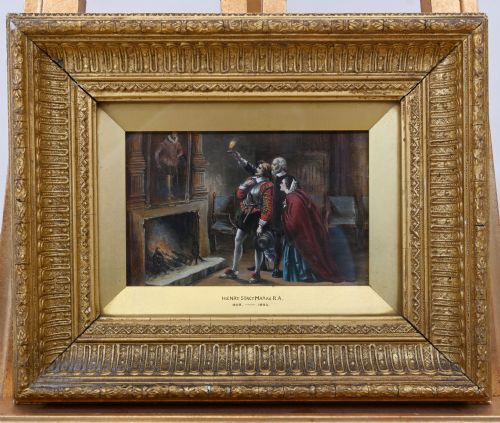
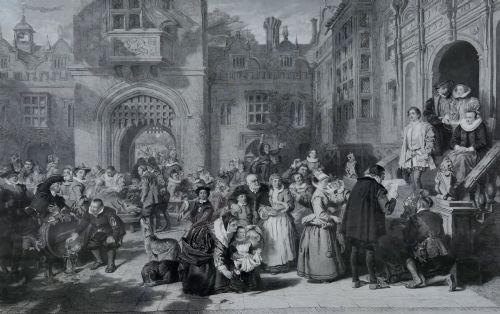
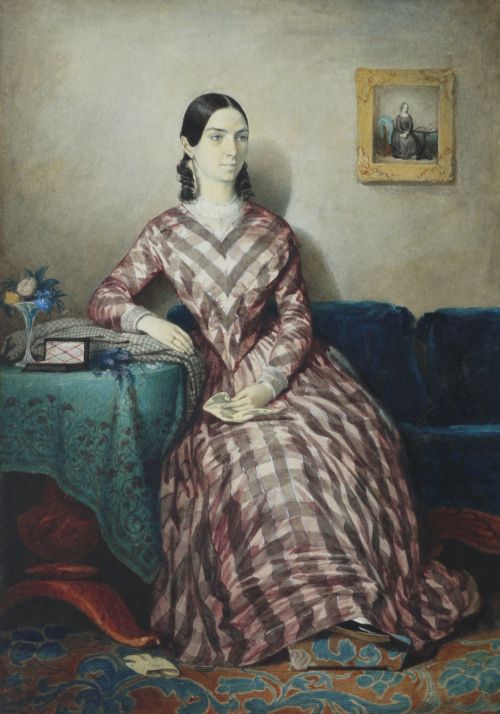
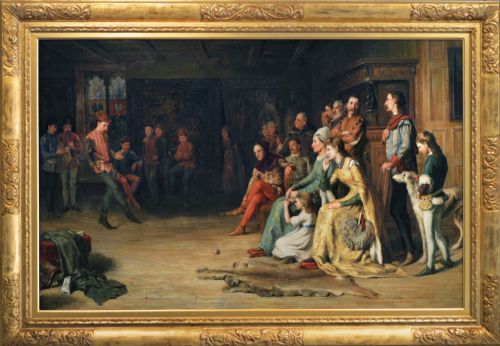
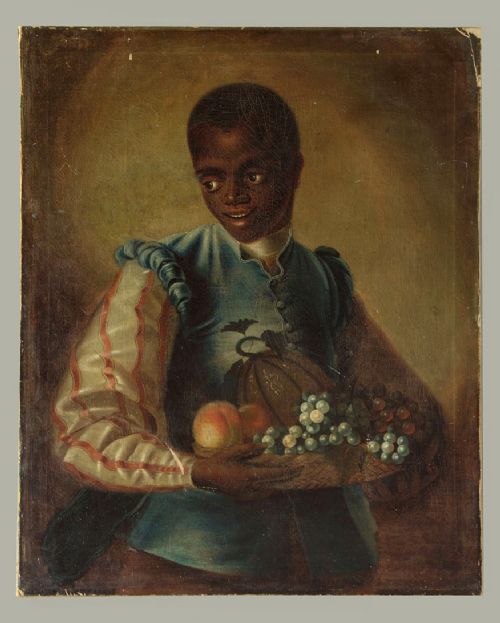
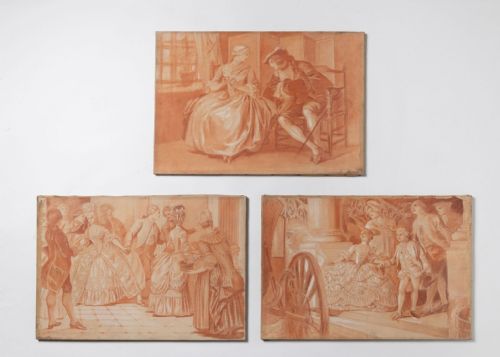
Historical figurative art captures human subjects and narrative moments from centuries past, preserving the likenesses and daily activities of earlier generations. These pieces range from intimate individual portraits to complex genre scenes depicting domestic interiors, courtyards, and social gatherings.
The selection centres heavily on nineteenth-century oil paintings and works on paper, spanning the Georgian, Victorian, and early twentieth-century periods. Buyers frequently encounter detailed oil on canvas paintings and expressive watercolours that document both notable historical figures and everyday characters.
How these works were made
Artists built these compositions primarily using oil paint on canvas or ink and watercolour on paper, applying pigments to achieve depth in drapery, flesh tones, and interior shadows. Many works retain their period framing, including original giltwood and Hogarth frames that complement the canvas.
The creation process relied on traditional studio methods of the eighteenth, nineteenth, and early twentieth centuries, from initial preparatory drawings to layered oil applications. Portraiture and historical genre painting demanded precise draughtsmanship and careful management of light to articulate narrative drama.
Historical Figurative Art Retail Price Guide 2026
Typical asking prices for historical figurative art among the pieces listed under this phrase on Sellingantiques today, from the lower quarter to the upper quarter. They describe what is for sale here now, not the wider market.
Listings feature works spanning the eighteenth century through to 1940, executed in oil on canvas, watercolour, and engraved paper.
What varies in quality
Quality in historical figurative art rests upon the artist's command of anatomy, expression, and narrative clarity within the composition. Masterful handling of light and shadow distinguishes an engaging domestic scene or portrait from a stiff or formulaic rendering.
The subtlety of brushwork and the preservation of the original canvas and paint surface dictate the visual impact of the piece. Surviving frames, particularly period giltwood examples, add historical integrity to the work.
Alessandro Cittadini·James Hamilton ARSA·William Jones of Bath·Johann Hamza·Robert Alexander Hillingford·Alfred Holst Tourrier·Frank Moss Bennett·Willem Johannes Martens·Henry Charles Bryant·JAMES BERTRAND·Adolphe-Alexandre Lesrel·THEOBALD CHARTRAN·Geoffrey Robert Russell
The Historical Figurative Art Glossary
- Genre painting
- A style of art depicting scenes from everyday life, typically involving ordinary people engaged in common activities or domestic interiors.
- Giltwood
- Wood that has been treated with a thin layer of gold leaf or gold paint, frequently used for ornate period picture frames.
- Watercolour
- A painting method in which the paints are made of pigments suspended in a water-based solution, usually applied to paper.
- Oil on canvas
- A painting technique where oil-based paints are applied to a stretched canvas support, allowing for rich colour blending and durability.
Historical Figurative Art: Frequently Asked Questions
What defines historical figurative art?
Historical figurative art encompasses paintings, drawings, and engravings that feature human subjects set within narrative, domestic, or portrait contexts from past eras.
These pieces capture real individuals, fictionalized historical moments, and scenes of daily life recorded by artists across the eighteenth, nineteenth, and early twentieth centuries.
How should I hang oil paintings?
Oil paintings on canvas require stable indoor environments away from direct sunlight and dramatic fluctuations in temperature or humidity.
Ensure the piece is secured using appropriate wall fixings that can support the weight of both the canvas and its original period frame.
What is a genre scene?
A genre scene depicts everyday subjects and ordinary people in domestic, social, or public settings rather than grand historical or mythological events.
These compositions offer insight into the clothing, pastimes, and social interactions of the period in which they were painted.
How do I identify the period?
Dating historical figurative art involves examining the style of dress, the framing materials, and the techniques used in the canvas preparation and pigment application.
Signatures, dates inscribed on the canvas or reverse, and artist records provide definitive markers for placing a work within the nineteenth century or earlier.