



Historical Costume Art
Historical costume art captures past eras through rendered portraits and genre scenes of figures in period attire.
Historical Costume Art
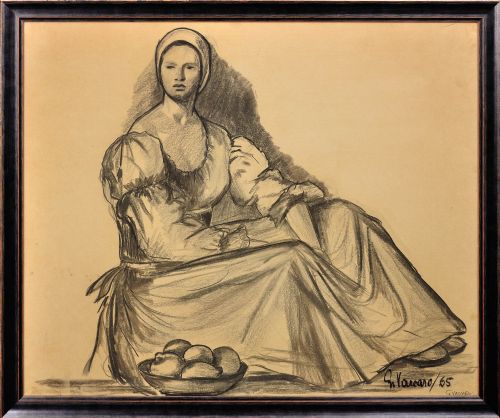
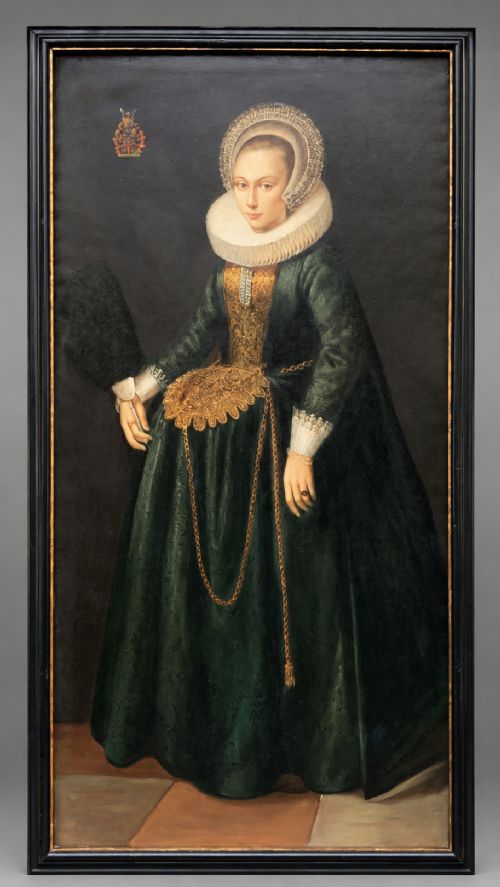
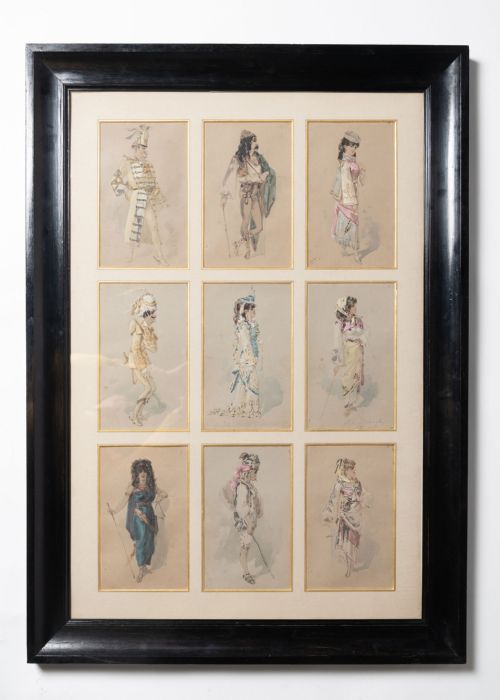
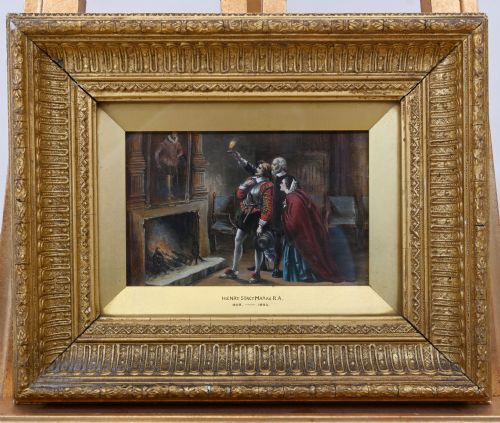
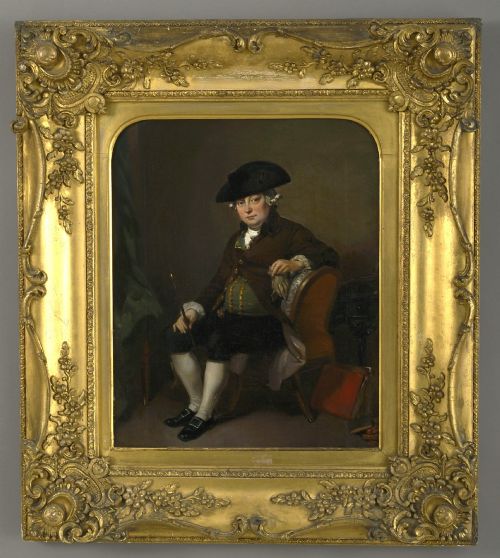
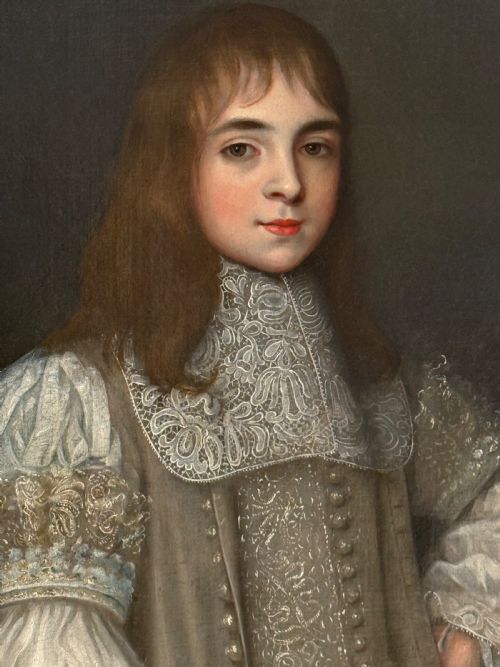
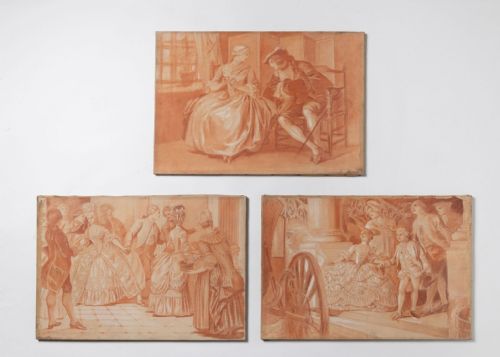
When you search for historical costume art, you encounter framed works depicting subjects dressed in historic clothing, ranging from seventeenth-century gentlemen to nineteenth-century actors.
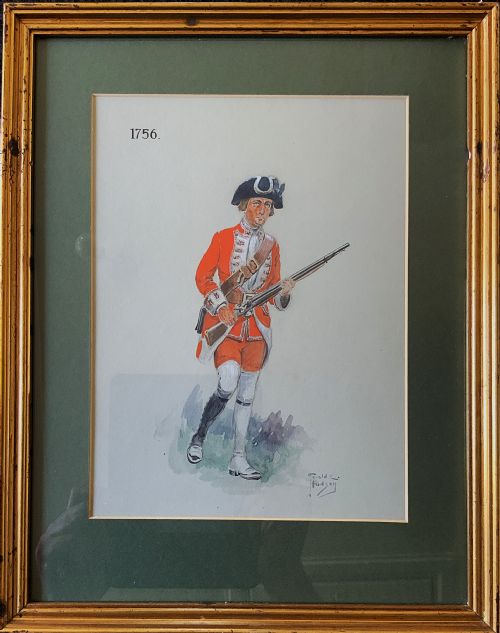
The pieces on this page span oil paintings on canvas or board, watercolours, pencil drawings, and hand-coloured lithographs housed in giltwood or wooden frames.
Originating across periods from the seventeenth century through to the 1930s, these works include British portraits, French scenes, and Victorian genre compositions.
Materials and technique
Artists employed oil paint on canvas, panel, or board alongside watercolour and wash on paper to render detailed textures of historical garments.
Lithography provided a method for producing hand-coloured prints framed for display.
Works are typically presented in giltwood or wooden frames that complement the period of the artwork.
Historical Costume Art Retail Price Guide 2026
Typical asking prices for historical costume art among the pieces listed under this phrase on Sellingantiques today, from the lower quarter to the upper quarter. They describe what is for sale here now, not the wider market.
Listings span periods from the 17th century through the 1930s, featuring oil on canvas, watercolours, and hand-coloured lithography.
Distinctions in quality
The handling of light and shadow across fabrics like silk, velvet, and military uniforms demonstrates the skill of the painter or draughtsman.
The preservation of the medium, whether oil paint, watercolour, or lithograph, combined with the condition of the original frame, influences the standing of a piece.
John Michael Wright·George Perfect Harding·Robert Alexander Hillingford·Frank Moss Bennett·Willem Johannes Martens·Marcel Brunery·Adolphe Alexandre Lesrel·Hans Temple·Paul Schier
The Historical Costume Art Glossary
- Genre painting
- A depiction of everyday subjects and scenes from ordinary life rather than formal portraiture. These works often show figures engaged in social activities or domestic tasks.
- Lithograph
- A print made from a planographic process on stone or metal plates. Hand-coloured examples receive pigment applied by brush after printing.
- Giltwood
- Wood that has been coated with a thin layer of gold leaf or powder. This finish appears frequently on antique picture frames.
- Wash
- A thin, transparent layer of diluted watercolour or ink applied to paper. It creates smooth areas of tone in drawings and watercolours.
- Academic Historicism
- An artistic style characterised by the accurate representation of historical subjects, architecture, and costume. Practitioners trained in official academies adhered to rigorous standards of draughtsmanship.
Historical Costume Art: Frequently Asked Questions
What is historical costume art?
Historical costume art comprises paintings, watercolours, and prints depicting individuals in the attire of past centuries. These works focus on the visual detail of historical dress within portraiture or narrative scenes.
Subjects range from actors in character and military personnel to gentlemen and women in period costume. The category captures how artists across different centuries interpreted earlier modes of dress.
How were these artworks displayed?
These pieces were created for interior display, housed in wooden or giltwood frames suitable for domestic or institutional walls. Framing protected the paper, panel, or canvas while enhancing the visual presentation.
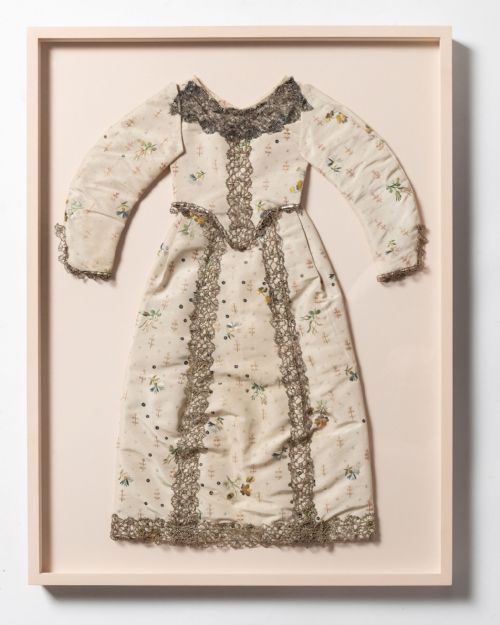
Many works function as wall art or framed textiles and prints designed to serve as focal points in a room. Their presentation reflects the decorative standards of their respective periods.
How do I live with antique art?
Living with these pieces involves placing them away from direct sunlight to protect pigments in watercolours, oils, and lithographs. Stable indoor humidity helps preserve wood panels, canvas, and gilt frames.
Regular dusting with a dry cloth keeps the surface and frame clear without risking moisture damage. Rotating or positioning works thoughtfully allows you to appreciate the details of historical dress daily.
How do I tell periods apart?
Dating these artworks relies on examining the painting style, materials, and the specific fashion of the costume depicted. Seventeenth-century works show different rendering techniques and attire compared to nineteenth-century Victorian pieces.
Signatures, framing styles, and inscriptions often provide further clues to the date of creation. Comparing the depicted costume to documented historical fashion helps confirm the era.