






Historical Art Pair
A historical art pair brings matching portraiture, landscape, or military depiction into a room, offering balanced symmetry and shared narrative from centuries past.
Historical Art Pair
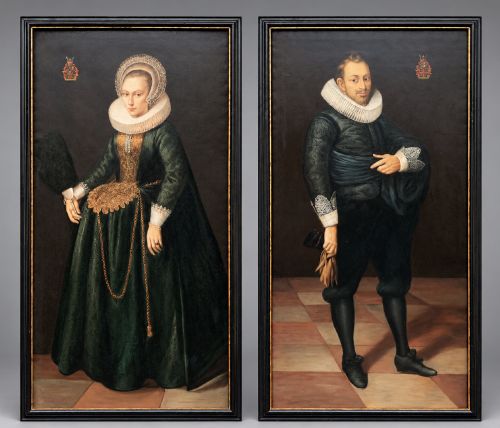
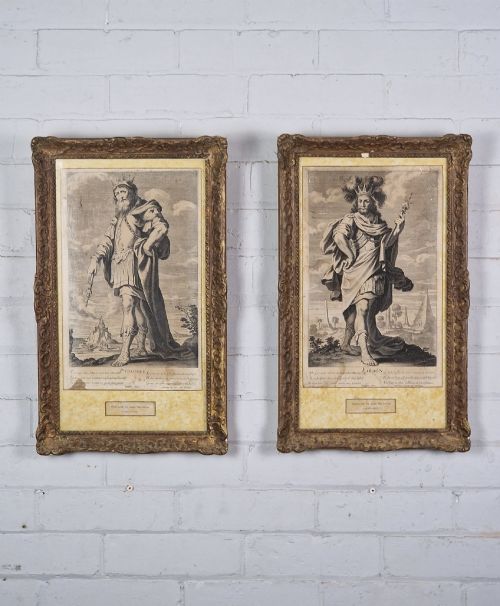
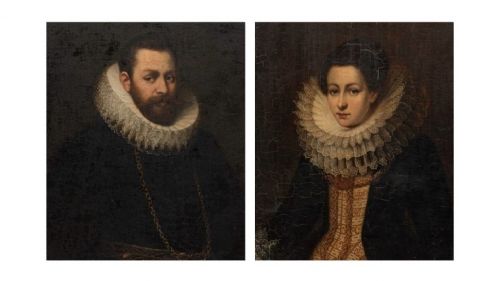
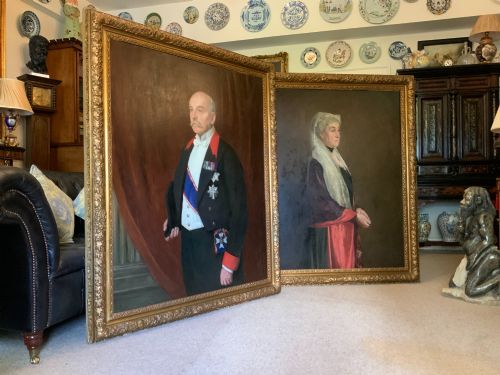
A historical art pair comprises two matching works created to hang together, representing subjects ranging from Dutch school noblemen and Scottish families to military formations and botanical studies. These companion pieces emerge predominantly from the seventeenth, eighteenth, and nineteenth centuries, spanning Georgian, Regency, and Victorian periods.
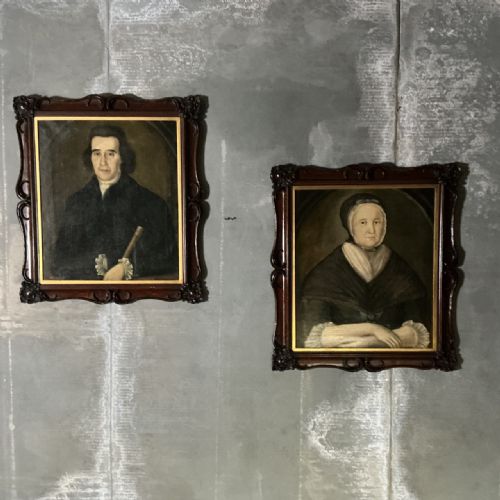
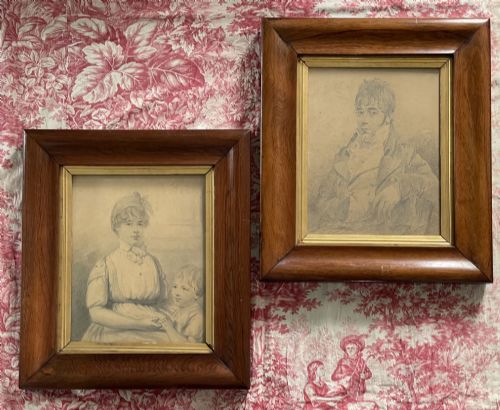
Buyers most frequently encounter oil paintings on canvas, portrait miniatures, and framed line engravings within this selection. The offerings stretch from American folk art portraits and French engravings to graphite drawings of Regency couples and cast iron portrait plaques.
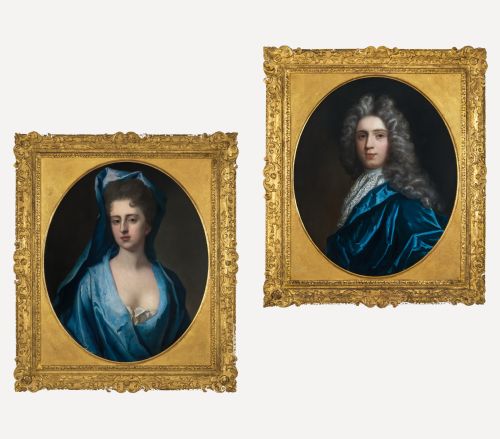
Subjects often divide into companion portraits of a lady and gentleman, matched architectural or topographical views, and historical militia or naval scenes. Each format relies on the inherent balance of two works sharing a single frame style, period, and artistic origin.
Materials and techniques
Makers utilised traditional supports including canvas, fine paper, wood, and glass, applying oil paint, watercolours, graphite, or ink to construct the image. Gold leaf and giltwood frequently frame these works, adding reflective depth that complements the medium.
Historical Art Pair Retail Price Guide 2026
Typical asking prices for historical art pair among the pieces listed under this phrase on Sellingantiques today, from the lower quarter to the upper quarter. They describe what is for sale here now, not the wider market.
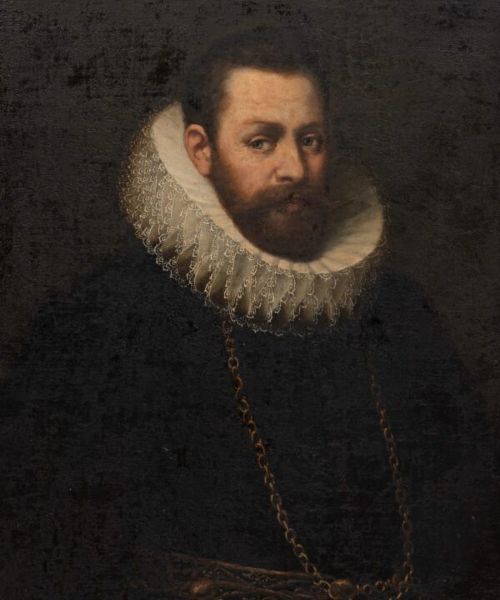
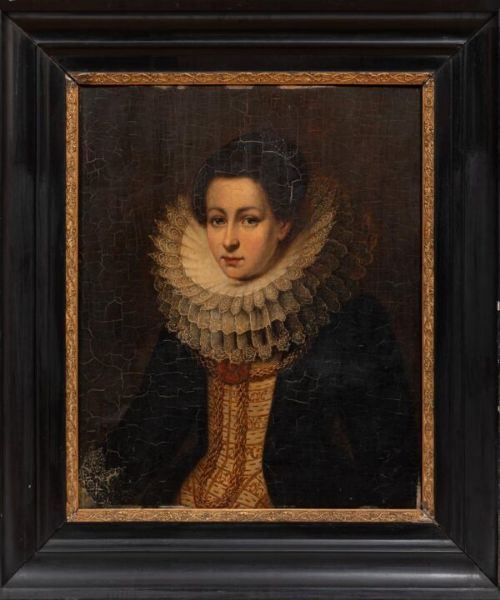
Certain portraits feature ruff collars so intricate they demand a magnifying glass to appreciate the artist's patience.
Distinctions in craftsmanship
The standard of execution in brushwork, line definition, and anatomical proportion separates fine portraiture from simpler folk art or decorative prints. Fineness in the rendering of textiles, such as intricate ruff collars or military uniforms, marks the superior hand.
The survival and integrity of the original pairing, matched framing, and the preservation of pigment or paper condition dictate the standing of a set. Works retaining their original giltwood frames or untouched surfaces command greater appreciation among collectors.
Michael Dahl·Thomas Murray·Jean Mariette·James Sharples·Jacobus Houbraken·George Hargreaves·Thomas Woolnoth·Georg Wolfgang Knorr·Hubert Thornley
The Historical Art Pair Glossary
- Companion piece
- One of a matched pair of artworks created to be displayed together. They share subject matter, dimensions, and visual style.
- Line engraving
- An intaglio printmaking technique where lines are cut directly into a metal plate with a burin. This produces crisp, detailed imagery seen in historical prints.
- Portrait miniature
- A small, highly detailed portrait painting, often executed on ivory, vellum, or card. These portable works became popular tokens of affection and lineage.
- Giltwood
- Wood that has been treated with a thin layer of gold leaf or gold paint. It provides ornate, reflective framing for historical paintings and mirrors.
- Folk art
- Art produced by self-taught or untrained artisans working within a traditional community aesthetic. These pieces offer direct insight into vernacular historical culture.
Historical Art Pair: Frequently Asked Questions
How were historical art pairs displayed?
Companion pieces were traditionally hung symmetrically on either side of a fireplace, doorway, or window in formal rooms. This placement emphasised balance and order within domestic interiors.
Today, hanging them together on a shared wall maintains their intended visual dialogue and narrative connection.
What subjects are most common?
Portraits of gentlemen and ladies, often husband and wife, form the largest category of companion works. Military formations, topographical views, and botanical studies also frequently appear.
These subjects reflect the historical desire to document lineage, exploration, and natural science in balanced pairs.
How do I care for antique paper art?
Works on paper require protection from direct sunlight to prevent fading of inks and watercolours. Framing with acid-free mounts and UV-filtering glass ensures long-term preservation.
Keeping them away from damp environments prevents foxing and mould growth on the historical paper substrate.
Can separated pairs be reunited?
Reuniting separated companion pieces is exceedingly difficult due to the dispersal of collections over centuries. When a matched pair survives intact with shared provenance, it holds greater historical integrity.
Collectors therefore prioritise listings that offer both items together as originally conceived.