


Historical Art Frame
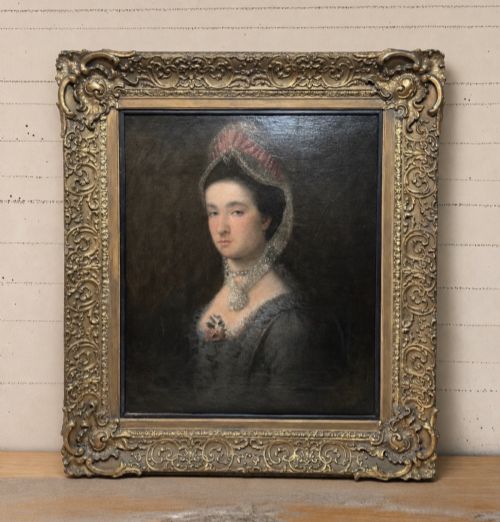
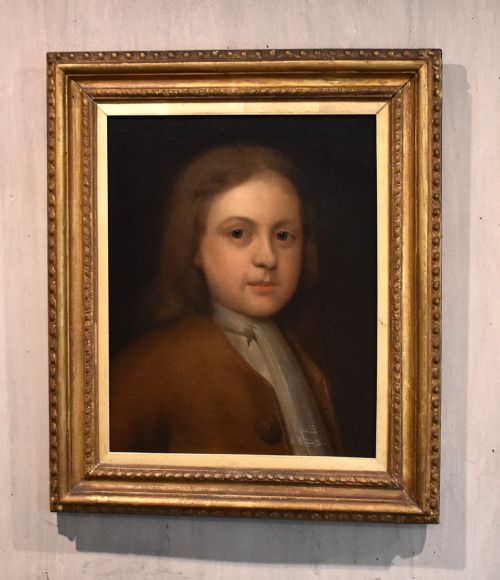
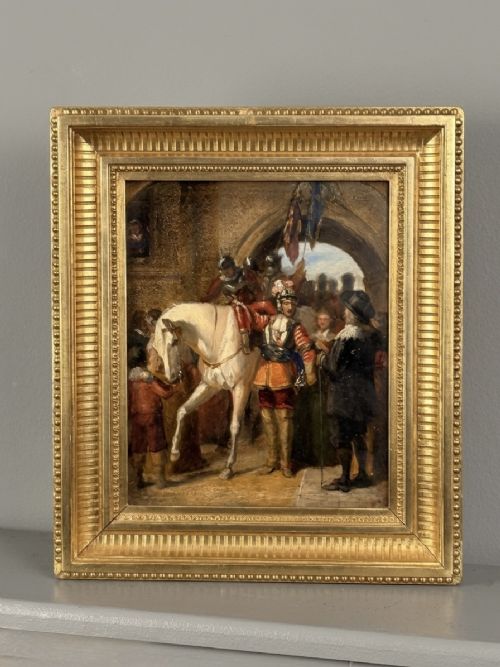
When you search for a historical art frame, you are looking at period housings designed to display oil paintings, portrait miniatures, maps, and engravings from centuries past.
Historical Art Frame
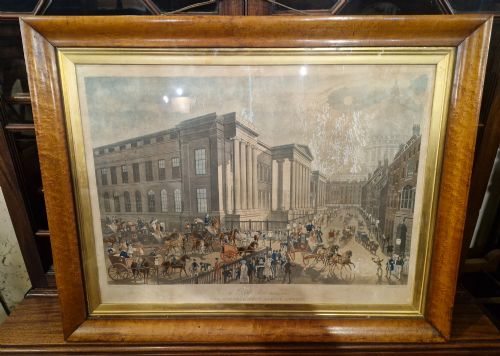
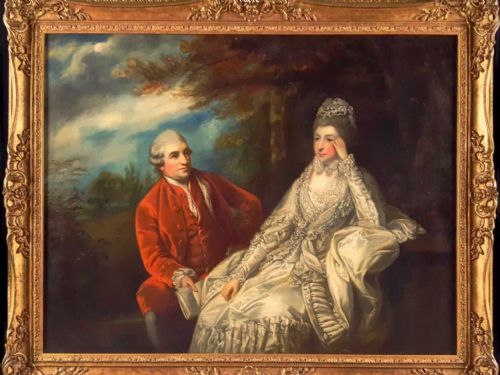
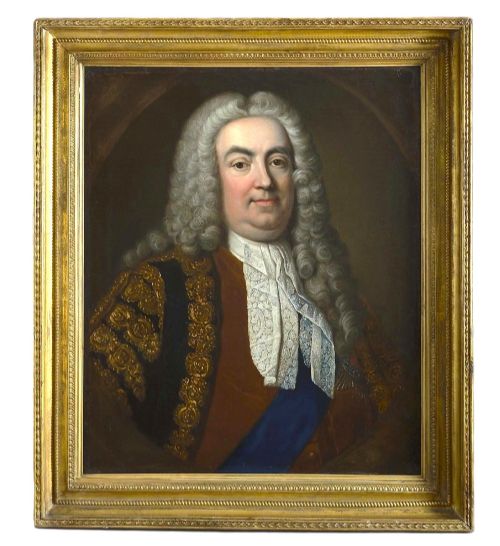
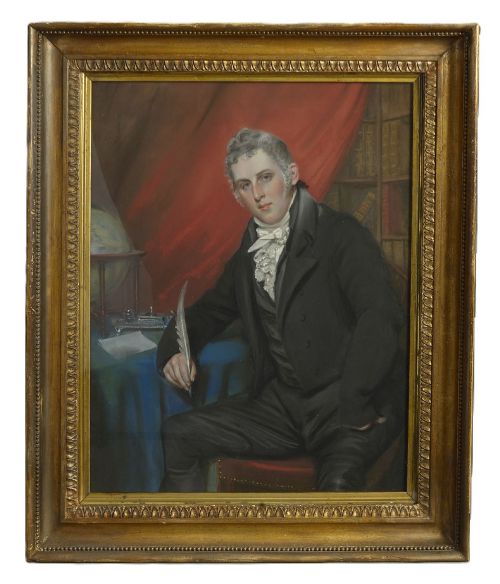
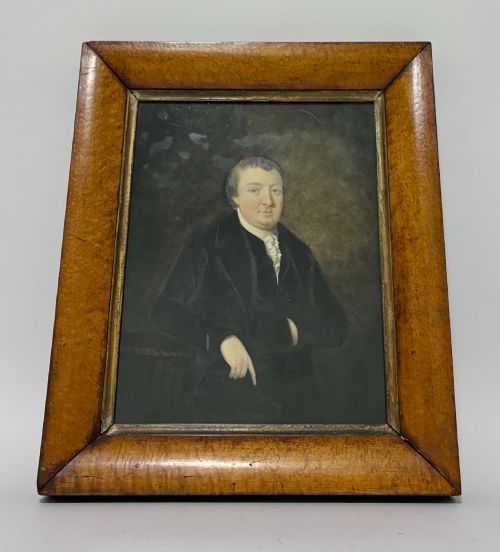
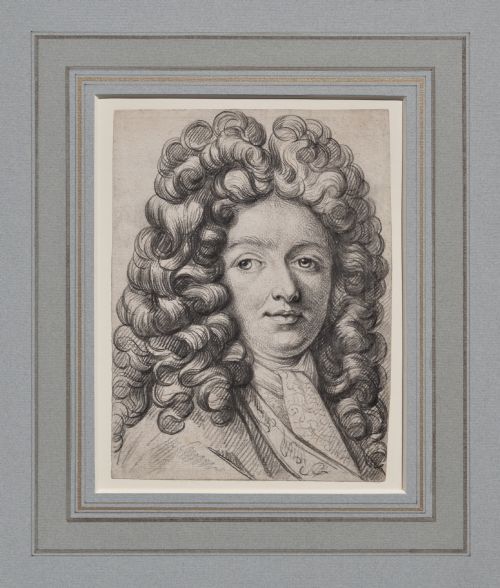
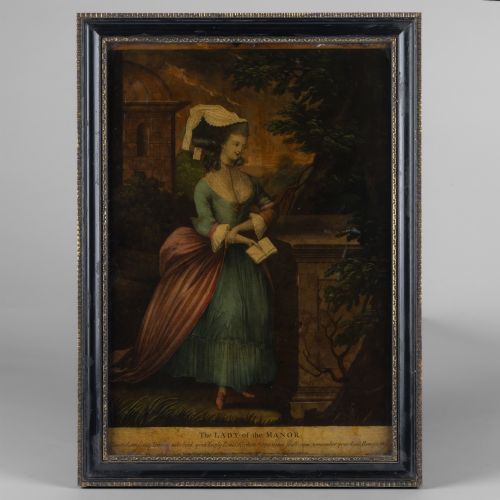
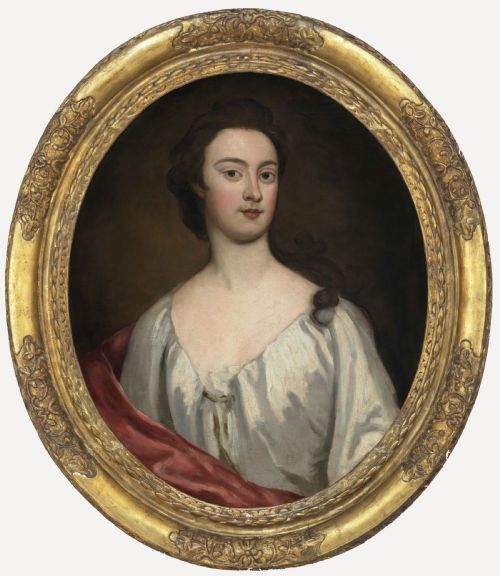
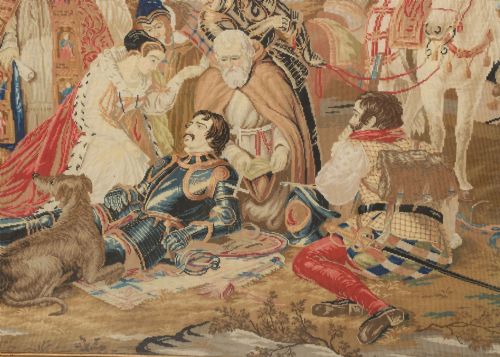
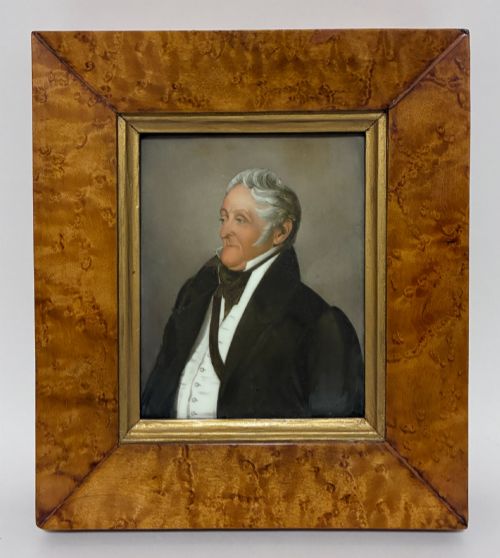
A historical art frame encloses works ranging from seventeenth-century oil paintings and portrait miniatures to eighteenth-century maps and nineteenth-century engravings. These items capture likenesses of nobility, maritime scenes, and military subjects executed on canvas, wood panel, and paper.
Buyers on this page most frequently encounter oil on canvas paintings and framed prints dating from the seventeenth through the nineteenth centuries. Styles stretch from the Dutch Golden Age and Baroque periods through to Georgian and Edwardian compositions.
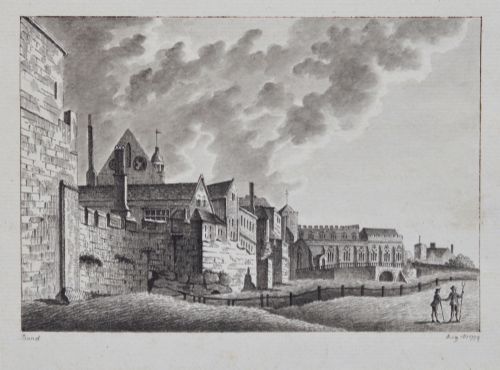
The objects combine visual art with period framing methods, presenting historical subjects such as naval battles, noble portraits, and topographical views. Each piece carries the aesthetic and material markers of its specific century.
How they were made
Makers utilised wood, glass, and paper as foundational structures, applying gold leaf and giltwood to build ornate surface layers around the artwork. Oil paint on canvas and wood panel forms the primary medium for the pictorial works.
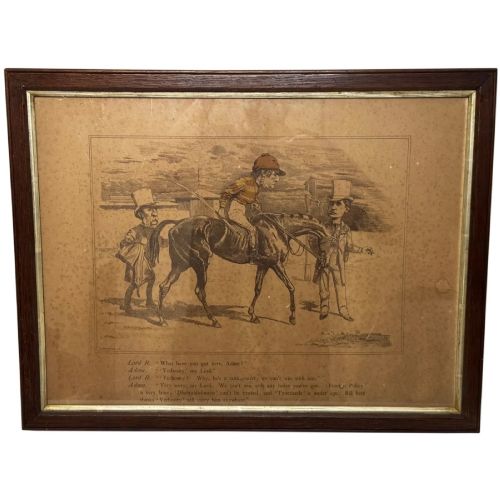
Engravings, mezzotints, and broadsides incorporate ink on paper, often paired with protective glass and dedicated framing surrounds. The combination of carved giltwood and oil on canvas defines the heavy visual weight associated with these historical items.
Historical Art Frame Retail Price Guide 2026
Typical asking prices for historical art frame among the pieces listed under this phrase on Sellingantiques today, from the lower quarter to the upper quarter. They describe what is for sale here now, not the wider market.
A seventeenth-century map of Warwickshire shares space with portraits sporting wonderfully intricate ruff collars.
What varies in quality
Quality rests in the fidelity of the brushwork and the harmony between the artwork and its surrounding frame. Skilled portraiture exhibits precise rendering of fabrics like ruff collars and satin sleeves, whereas lesser examples show stiffness in form.
The integrity of the giltwood or gold leaf surface influences the overall standing of a piece. Original materials that retain their depth without modern intervention command greater attention from collectors.
Studio M Canals·Sir Godfrey Kneller·Michael Dahl·Sir Peter Lely·Cornelius Johnson
The Historical Art Frame Glossary
- Giltwood
- Wood carved and coated with a thin layer of gold leaf. This material forms the ornate borders characteristic of many period art frames.
- Mezzotint
- A printmaking process where the copper plate is roughened to achieve tones and shades. It produces rich, dark portraits typical of the seventeenth and eighteenth centuries.
- Portrait Miniature
- A small, highly detailed painting depicting a specific person. These works often feature delicate watercolours on paper or vellum.
- Oil on Canvas
- Pigment mixed with drying oil applied to a woven fabric support. This technique dominates the major portrait and landscape listings of the seventeenth and eighteenth centuries.
- Wood Panel
- A flat wooden board utilised as a rigid support for early paintings. Panel pieces frequently predate the widespread adoption of stretched canvas.
Historical Art Frame: Frequently Asked Questions
How do I identify a seventeenth-century frame?
Seventeenth-century frames often display heavy carved wooden elements and deep profiles designed to project oil paintings outward from the wall. They frequently employ giltwood finishes that reflect candlelight differently than later Victorian moulding styles.
Examining the construction behind the frame reveals hand-cut joinery and period fixings. These physical traits help distinguish genuine seventeenth-century examples from later revival pieces.
What subjects appear most often in these works?
Noble portraits, military engagements, and maritime scenes dominate the painted works in this category. Artists frequently recorded notable historical figures, naval battles, and domestic interiors.
Maps and broadsides also feature prominently, documenting topography and public events from past centuries. These varied subjects provide a clear record of historical interests across different eras.
How should I care for a giltwood frame?
Giltwood frames require stable indoor humidity and protection from direct sunlight to preserve the gold leaf layer. Dusting should be performed gently with a soft, dry brush to avoid disturbing fragile carved details.
Harsh cleaning liquids and abrasive cloths must be avoided entirely on historical surfaces. Maintaining a consistent environment prevents the underlying wood from warping and cracking the gilt finish.
What is the difference between an engraving and a mezzotint?
An engraving is created by cutting lines directly into a metal plate with a sharp tool to hold ink. This method produces crisp, linear details ideal for maps and architectural views.
Mezzotints rely on roughening the entire plate surface to create smooth tonal gradations rather than sharp lines. This technique allows for deep shadows and soft facial contours in portrait prints.