








Historic Wooden Trunk
A historic wooden trunk offers enduring utility and rich grain, bringing centuries of craftsmanship directly into your home.
Historic Wooden Trunk
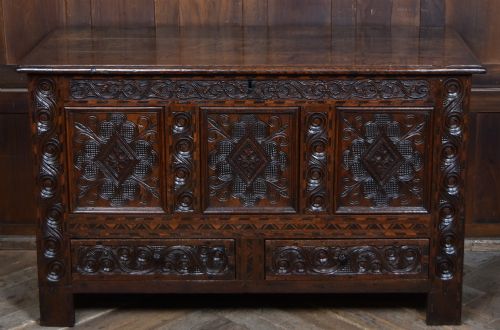
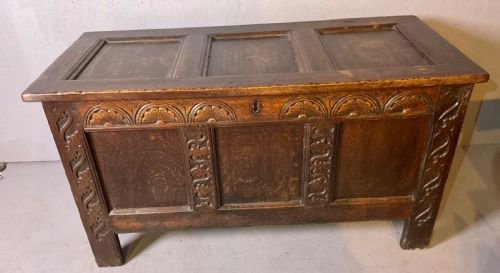
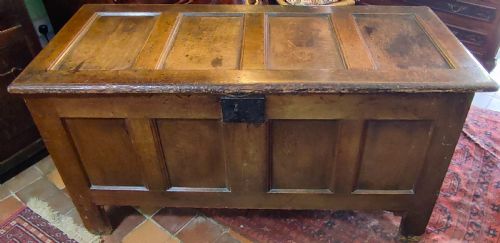
When you search for a historic wooden trunk, you encounter robust coffers, blanket chests, and strongboxes spanning several centuries. These pieces served practical domestic and security functions long before modern cabinetry existed.
Regional variations emerge clearly across the inventory, including English joined oak pieces, Lancashire coffers, and Iberian baroque forms. Such diversity reflects the specific local traditions and material availability of each historical period.
How they were made
Makers relied primarily on native oak, pine, and exotic kingwood for the primary structure, shaping boards with hand tools. Joinery techniques like pegging and framing provided the necessary strength for heavy daily use.
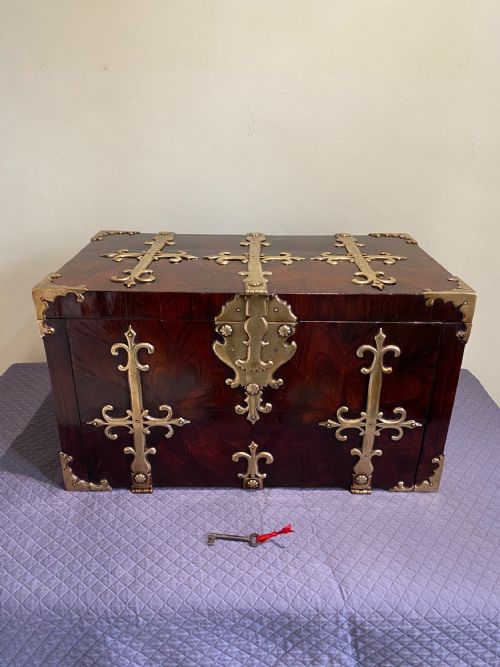
Iron and brass hardware, including forged hinges and wrought iron locks, reinforced the corners and lids of these storage pieces. Wood inlay and relief carving added decorative detail to the front panels of finer examples.
Historic Wooden Trunk Retail Price Guide 2026
Typical asking prices for historic wooden trunk among the pieces listed under this phrase on Sellingantiques today, from the lower quarter to the upper quarter. They describe what is for sale here now, not the wider market.
Regional styles represented include Elizabethan, Jacobean, and Iberian Baroque aesthetics.
What varies in quality
The sophistication of the joinery and the depth of the carved ornamentation distinguish standard utility chests from elite commissions. Pieces featuring integrated sword compartments or intricate wood inlay demonstrate superior workshop execution.
The survival of original ironwork, hinges, and locks heavily influences the overall integrity of the piece. Retaining the initial timber surfaces without excessive later intervention preserves the historical authenticity.
The Historic Wooden Trunk Glossary
- Joined oak
- Furniture constructed using mortise and tenon joints secured with wooden pegs rather than simple nailed boards. This method defines much seventeenth-century cabinetmaking.
- Boarded construction
- A simple method utilising thick planks fastened directly together at the edges, common in sixteenth-century examples. It provides a heavy, monolithic appearance.
- Strongbox
- A heavily reinforced small chest designed to secure money and documents, often incorporating complex locking mechanisms. Wrought iron bands typically encase the exterior.
- Wood inlay
- The technique of fitting contrasting pieces of timber into recessed portions of a primary surface to create patterns. It appears on select seventeenth-century items.
Historic Wooden Trunk: Frequently Asked Questions
How were historic wooden trunks used?
These pieces primarily served to store household textiles, clothing, and valuable documents securely within domestic settings. Some specialised forms functioned as travelling luggage or strongboxes for currency.
Their heavy construction also allowed them to double as seating benches or tables inside the home when space was restricted.
How do I date a wooden trunk?
Dating relies heavily on examining the construction methods, such as the transition from boarded planks to joined frames. Tool marks, hinge types, and stylistic motifs like Jacobean carving further narrow the period.
Secondary woods and the style of any inlay provide additional clues to the era of manufacture.
Can I use a historic trunk as a coffee table?
Many buyers successfully incorporate these sturdy pieces into modern living spaces as coffee tables or blanket storage at the foot of a bed. Their flat lids and robust build suit daily domestic interaction.
Care should be taken to protect the historic timber surface from moisture and direct heat sources.
What is the difference between a coffer and a chest?
The terms are often used interchangeably, though a coffer traditionally implies a more secure storage container with a domed or flat lid for valuables. Chests frequently served broader domestic purposes for general storage.
Both forms rely on heavy timber construction and primitive locking systems.