




Historic English Painting
Historic english painting spans centuries of portraiture and landscape, offering a direct view into past lives and places through traditional pigment and canvas.
Historic English Painting
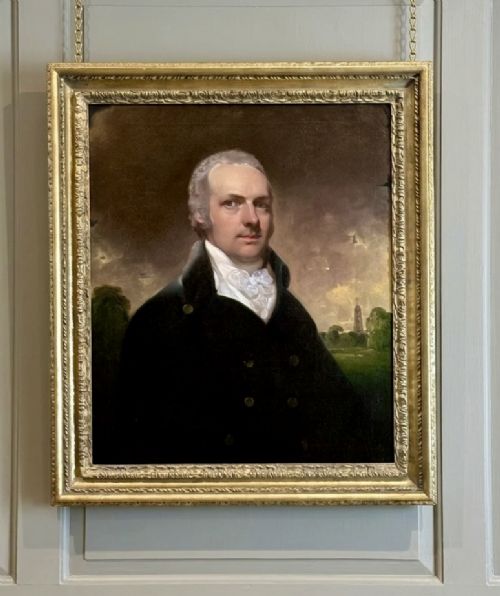
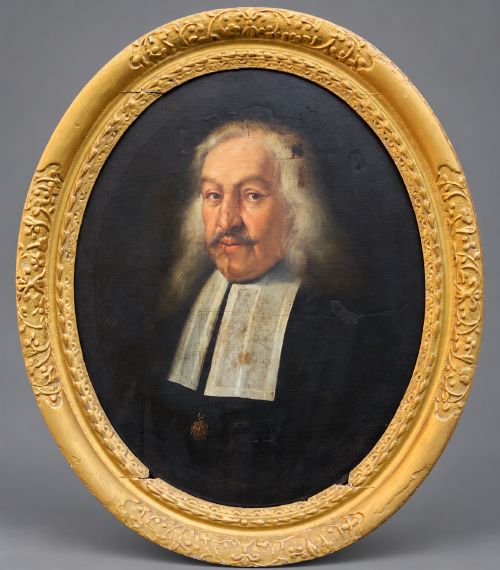
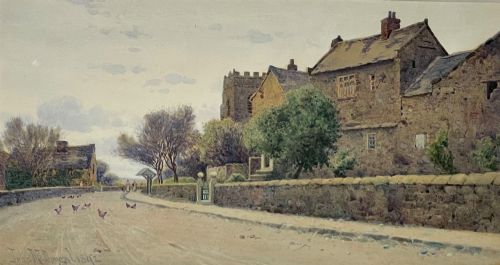
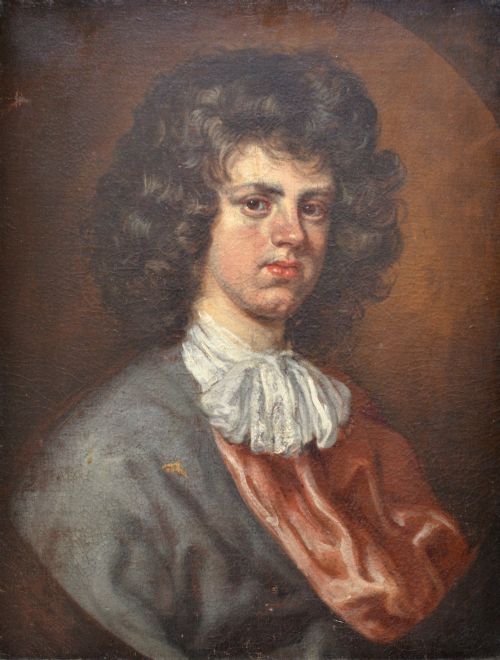
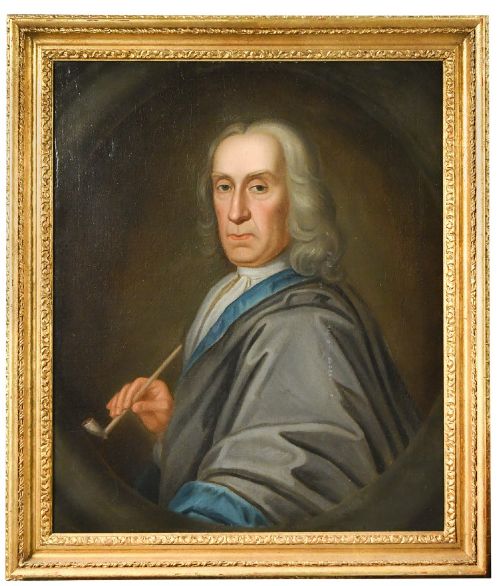
A historic english painting captures figures, estates, and street scenes across the seventeenth, eighteenth, and nineteenth centuries. Buyers examine works ranging from formal aristocratic portraiture to topographical watercolours depicting regional landmarks.
The selection on this page relies heavily on oils on canvas or panel alongside delicate watercolours on paper. Portraiture dominates the earlier centuries, while topographical and genre scenes emerge more frequently in the Victorian and Edwardian periods.
How They Were Made
Artists of the earlier centuries worked primarily with oil paint upon prepared canvas or wooden panels, building rich tones through layered glazes. Later works frequently utilise watercolour pigments applied to paper, capturing light and atmosphere with fluid washes.
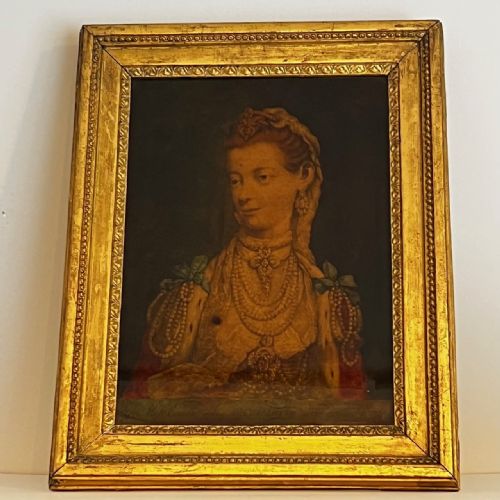
Framing often involves period wood and giltwood surrounds that protect the edges of the canvas or paper support. Each technique reflects the prevailing workshop practices of its specific era, from Jacobean limning traditions to nineteenth-century plein air landscape studies.
Historic English Painting Retail Price Guide 2026
Typical asking prices for historic english painting among the pieces listed under this phrase on Sellingantiques today, from the lower quarter to the upper quarter. They describe what is for sale here now, not the wider market.
The listed works span the seventeenth century through the 1930s, incorporating oil on canvas, watercolour, and reverse glass prints.
What Varies In Quality
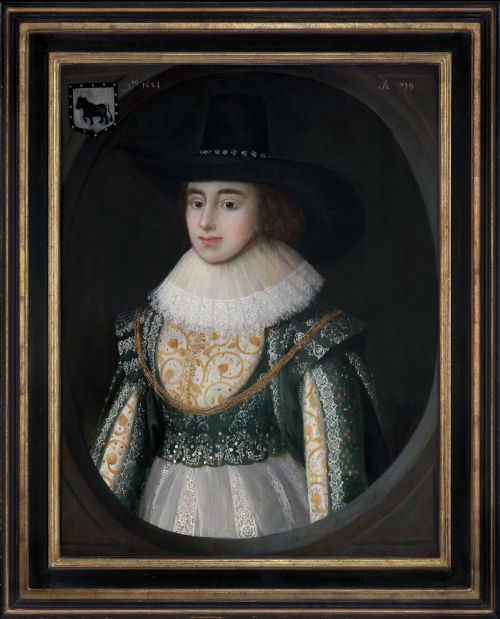
The distinction between standard works and exceptional examples rests upon the handling of facial expression, garment detail, and spatial depth. Master painters render textiles and hands with convincing anatomy and subtle light play, whereas lesser hands produce rigid postures and flat drapery.
Preservation of the original pigment layer and the stability of the ground support dictate the longevity and visual impact of the piece. Works retaining their original untouched surfaces and period framing command greater attention from discerning collectors.
Cornelius Johnson·Mary Beale·John Greenhill·Joseph Highmore·Henry Barlow Carter·Isaac Cullin
The Historic English Painting Glossary
- Oil on canvas
- Pigments bound in a drying oil applied to a stretched woven fabric support. This medium allowed artists to achieve deep tonal gradations and rich surface textures.
- Watercolour
- A paint consisting of colour suspended in a water-soluble vehicle, typically applied to paper. It was widely utilised for topographical views and rapid landscape studies.
- Panel painting
- A painting executed on a flat piece of wood rather than canvas. Oak panels were particularly common in early works before canvas became the dominant support.
- Giltwood
- Wood carved and coated with gold leaf or a gold-coloured metallic finish. It forms the decorative framing material found on many formal period portraits.
Historic English Painting: Frequently Asked Questions
How do I identify a seventeenth century portrait?
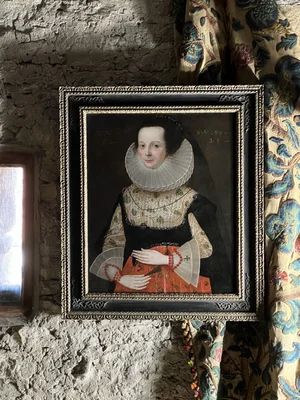
Seventeenth century portraits typically feature rigid frontal poses, elaborate lace collars, and dark backgrounds rendered in oil on panel or canvas.
Inscriptions detailing the sitter's age and the year often appear directly on the canvas, providing a clear chronological anchor for the piece.
What subjects are common in these paintings?
The subjects range from aristocratic sitters and local dignitaries to identifiable architectural landmarks like castles, abbeys, and street scenes.
Genre scenes depicting everyday rural life and historical events also feature prominently among the nineteenth-century selections.
How should I care for an antique watercolour?
Watercolours require careful placement away from direct sunlight to prevent the fugitive pigments from fading over time.
Glazing with conservation-grade UV-filtering glass helps protect the delicate paper support and water-soluble paints from environmental damage.
What is the difference between oil and watercolour works?
Oil paintings utilise heavy pigment suspended in drying oil on canvas or wood, offering rich textures and deep opacity.
Watercolour works use translucent washes on paper, prioritising luminosity and light paper grounds over heavy impasto layers.