








Historic English Landscape Art
Historic english landscape art captures the distinct character of the countryside and townscapes through centuries of British painting and watercolour.
Historic English Landscape Art
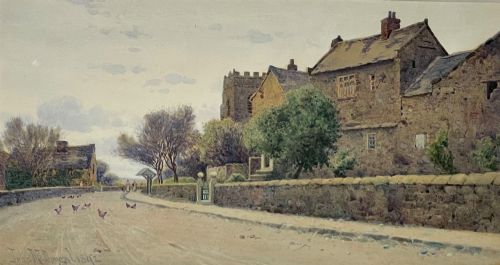
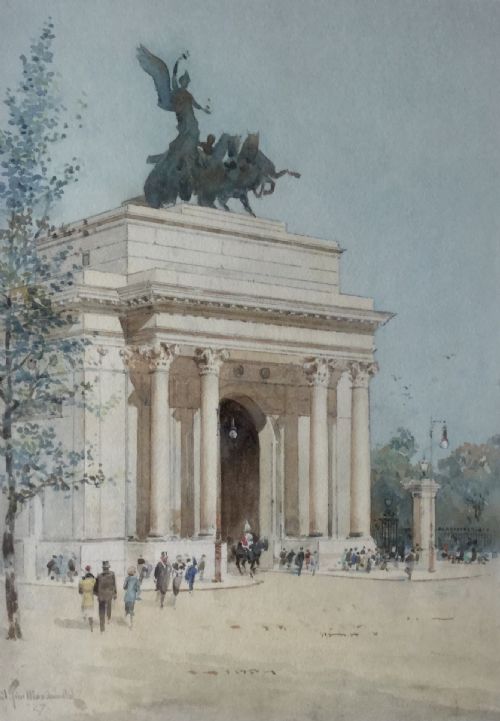
Historic english landscape art encompasses works created across the nineteenth and early twentieth centuries, capturing identifiable locations from Windsor Castle to rural Yorkshire. These pieces record specific topography, vernacular architecture and daily life through traditional painting and watercolour techniques.
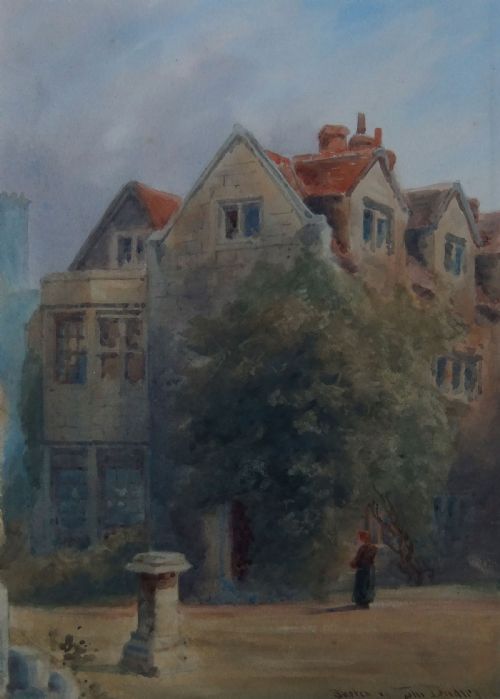
The works on this page frequently span the Victorian, Edwardian and Georgian periods, alongside early twentieth century interpretations. Buyers typically encounter detailed watercolours and oil paintings on canvas that document historic buildings, rivers and street scenes.
Materials and methods
Artists of these periods utilised oil paint on canvas or watercolour paint on paper to render local scenery and architectural studies. Wood often provides the substrate for framing or backing these works.
Techniques range from fine watercolour washes capturing atmospheric light in London and Yorkshire to structured oil paintings employing layered pigments for depth and historical genre scenes.
Historic English Landscape Art Retail Price Guide 2026
Typical asking prices for historic english landscape art among the pieces listed under this phrase on Sellingantiques today, from the lower quarter to the upper quarter. They describe what is for sale here now, not the wider market.
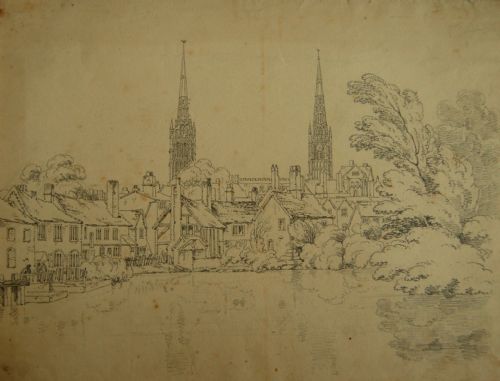
Listings feature works spanning the eighteenth century through to the 1930s, executed in oil paint, watercolour and black and white etching.
Assessment of quality
Quality in these works rests upon the precision of topographical detail, the handling of light and atmospheric perspective, and the artist's ability to render complex architectural elements convincingly. Finer pieces demonstrate assured brushwork or delicate wash control that brings depth to the landscape.
The distinction between standard works and exceptional examples also lies in the documented provenance and the clarity of attribution to named painters of the British school.
John McDougal·John Sanderson Wells·Percy Robertson·Frank Moss Bennett·Henry Barlow Carter·Rowland Henry Hill·Beatrice Parsons·Henry Edridge
The Historic English Landscape Art Glossary
- Watercolour painting
- A work executed with water-soluble pigments on paper. This medium allows for translucent washes and delicate atmospheric effects.
- Oil painting
- A piece created using pigments bound with a drying oil, typically applied to canvas or wood. This technique provides rich colour depth and a textured surface.
- Genre painting
- Artwork depicting scenes from ordinary life, often incorporating figures engaged in everyday activities within a historical landscape setting.
- Impressionism
- A style focusing on the accurate depiction of light and its shifting qualities, seen in later nineteenth and early twentieth century British works.
Historic English Landscape Art: Frequently Asked Questions
What subjects appear in historic English landscape art?
These works depict identifiable English locations, including castles, cathedrals, village marketplaces and rivers. Artists recorded both rural scenery and urban landmarks such as London parks and historic provincial architecture.
Subjects range from quiet countryside views to historical genre scenes featuring figures participating in daily activities.
How do I care for antique watercolours and oil paintings?
Watercolours require protection from direct sunlight to prevent the fading of delicate pigments on paper. Framing behind conservation glass helps guard against environmental moisture and dust.
Oil paintings on canvas benefit from stable indoor humidity and gentle dusting with a soft, dry brush. Avoid exposing either medium to extreme temperature fluctuations.
How can I tell the period of a landscape painting?
Dating often relies on the costume of figures, the style of architecture, and the framing materials associated with specific eras like the Victorian or Edwardian periods. Signatures, inscriptions on the reverse, and artist biographical dates provide further chronological anchors.
The choice of medium and paper or canvas type also offers clues to the era of creation.
Where were these landscape artists active?
Painters recorded scenes across various English regions, with notable concentrations of works depicting Yorkshire, London, Nottinghamshire and Warwickshire. Many artists travelled specifically to capture historic towns, coastal ports and rural landscapes.
Their works reflect a strong interest in documenting the changing topography of nineteenth and early twentieth century Britain.