




Historic Decorative Art
Historic decorative art encompasses centuries of fine wall art, tapestries, and hand-painted porcelain designed to transform interiors with enduring visual heritage.
Historic Decorative Art
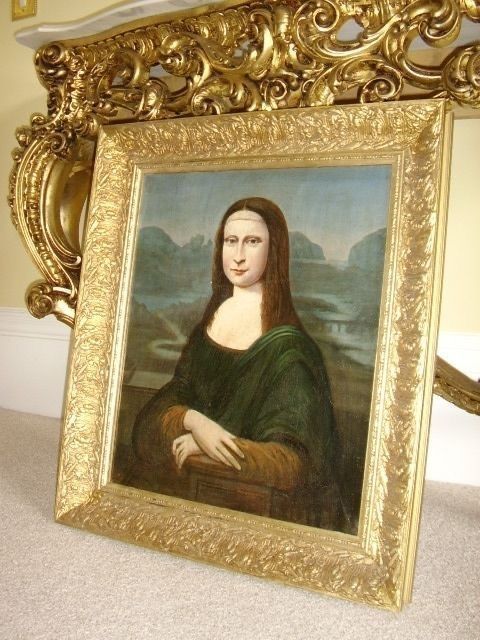
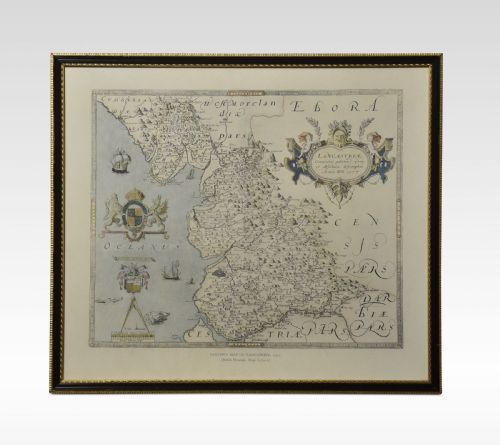
When you search for historic decorative art, you encounter a diverse array of physical works spanning from the seventeenth century through to the early twentieth century. These pieces encompass oil paintings, wall tapestries, decorative plates, table lamps, framed maps, and textile art. Each item reflects the aesthetic preoccupations of its specific period.
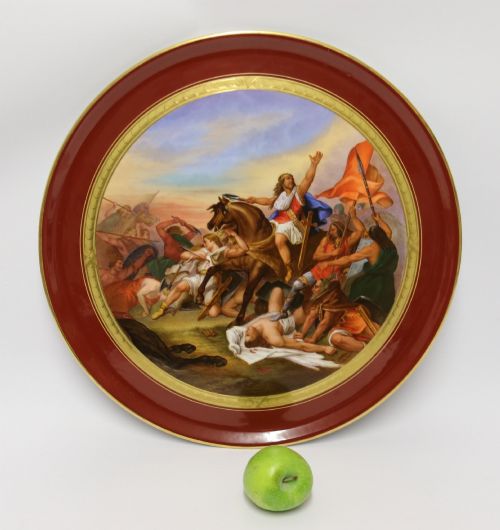
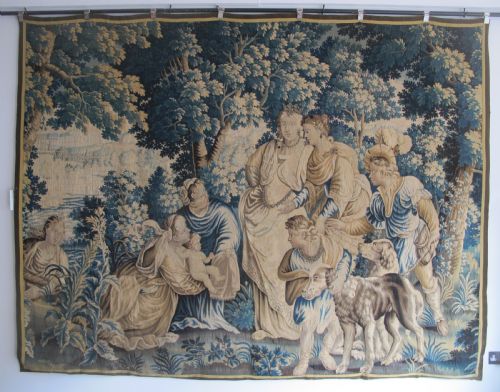
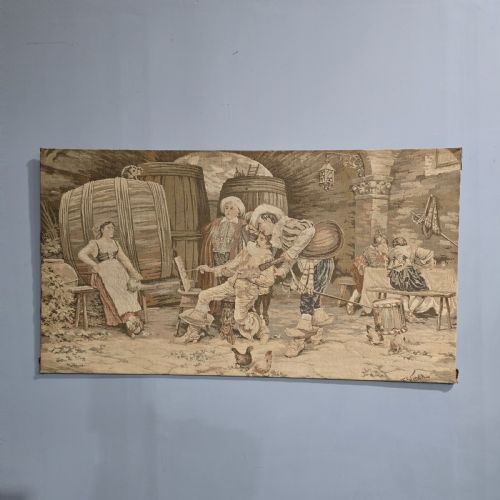
The selections available here lean heavily toward wall-mounted works and furnishings, including large French porcelain chargers and wool tapestries. You will frequently find pieces carrying stylistic influences from the Renaissance Revival, French Baroque, and Arts and Crafts movements. These works serve as tangible links to past craftsmanship and domestic ornamentation.
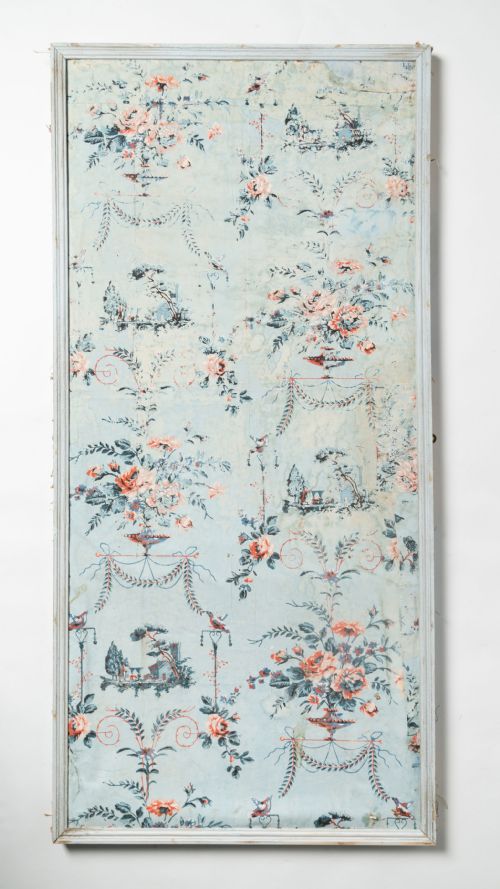
Originating across different European centres, these objects range from delicate paper wall panels to monumental wool and metal thread tapestry panels. Their forms demonstrate how previous generations sought to enrich their living spaces through art and cartography. The variety present in these listings highlights the broad scope of historical interior decoration.
Materials and construction methods
Techniques varied widely according to the medium, from hand-painted porcelain glazes to intricate needlework embroidery on maps and textiles. Gilded wood frames frequently complement oil paintings and paper panels, providing structural support and visual definition. Weaving, hand-painting, and cartographic printing represent the primary methods utilised by makers in the evidence.
Historic Decorative Art Retail Price Guide 2026
Typical asking prices for historic decorative art among the pieces listed under this phrase on Sellingantiques today, from the lower quarter to the upper quarter. They describe what is for sale here now, not the wider market.
Listings feature seventeenth-century maps alongside eighteenth-century oil portraits, nineteenth-century porcelain chargers, and twentieth-century brass table lamps.
Distinctions in quality
Quality in these objects is determined by the precision of the execution and the preservation of the original materials. Finer works display superior control in hand-painting, weaving density in tapestries, and clarity in printed or embroidered maps. The integrity of the ground material, whether canvas, porcelain, or wool, dictates the overall success of the piece.
The sophistication of the design and the adherence to period stylistic conventions also separate standard items from exceptional examples. Works attributed to notable designers or specific historical workshops often exhibit a higher degree of artistic ambition. Preservation of original colour and surface texture remains a primary indicator of enduring merit.
WAS Benson·William Hole·Mary Pinfold
The Historic Decorative Art Glossary
- Hard-Paste Porcelain
- A dense, durable ceramic composed of kaolin and petuntse fired at high temperatures. It forms the smooth body for decorative plates and chargers.
- Aubusson Tapestry
- A hand-woven textile originating from the French town of Aubusson, known for pictorial scenes and floral motifs. These panels were traditionally used to insulate and decorate stone walls.
- Cartography
- The science and art of making maps, represented here through historical editions based on early surveyors like Saxton. These pieces combine geographical data with decorative engraving.
- Gilded Wood
- Timber surfaces coated with a thin layer of gold leaf or gold paint. This technique enhances frames and architectural elements with a reflective metallic sheen.
- Embroidery
- The craft of decorating fabric using a needle to apply thread or yarn. Historic examples often depict educational or decorative maps stitched by hand.
Historic Decorative Art: Frequently Asked Questions
How do I hang a heavy tapestry?
Large wool and metal thread tapestries require even weight distribution across a sturdy wooden batten or metal rod. Fixing the textile to a lined backing sleeve prevents distortion of the weave over time.
Ensure the hanging hardware is secured directly into wall studs rather than plaster alone. This protects the historic fibres from excessive strain and keeps the panel flat against the wall.
Where should I place a porcelain charger?
Porcelain chargers and decorative plates need stable display surfaces away from high-traffic areas where they might be accidentally dislodged. Utilise dedicated plate stands or secure wall brackets designed for heavy ceramics.
Keep these pieces out of direct sunlight to protect hand-painted enamel colours from fading over the decades. Stable indoor humidity prevents any stress on the ceramic body.
How are antique maps best displayed?
Framing historic maps requires acid-free mount board and UV-filtering glass to protect fragile paper from chemical degradation and light damage. Position them away from direct heat sources such as radiators.
Controlled interior lighting preserves the ink and paper integrity of seventeenth and eighteenth-century editions. Regular inspection behind the glass ensures moisture is not trapped against the surface.
Can I use an antique brass lamp?
Period brass table lamps should be checked by a qualified electrician to ensure the internal wiring complies with modern safety standards. Retaining original metal components maintains the historical character of the object.
Pair the lamp with appropriate low-heat bulbs to protect the metal and any surrounding shades. Place it on a steady table where the cord will not be pulled.