



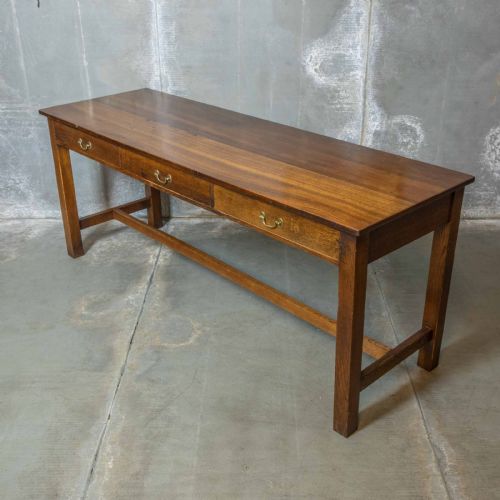
Historic Brown Table
A historic brown table offers rich timber grain and centuries of domestic craft, anchoring a room with dependable weight and character.
Historic Brown Table
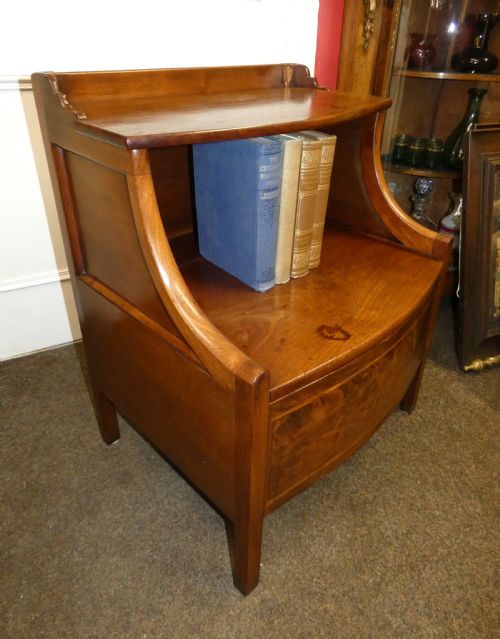
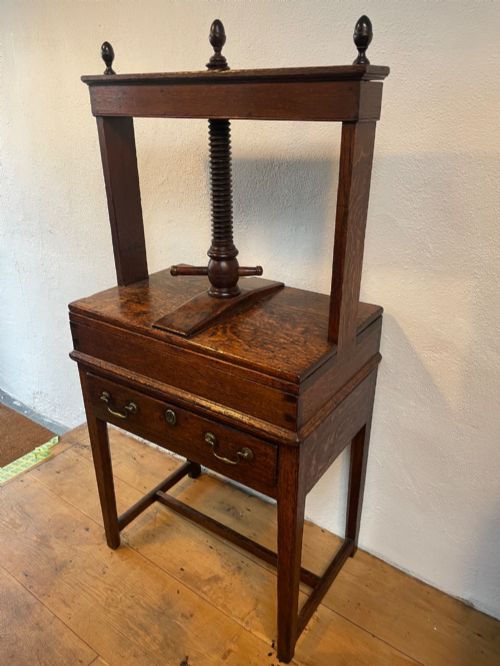
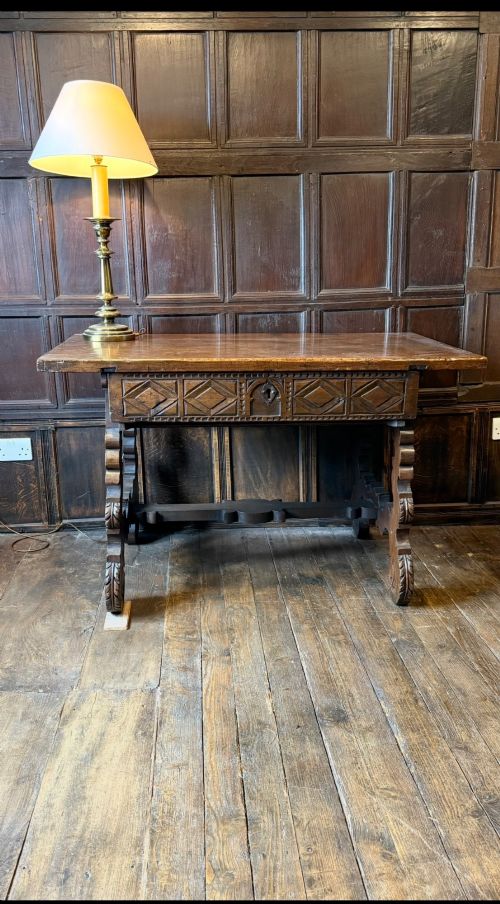
A historic brown table encompasses sturdy pieces built from foundational timbers like oak, walnut, and mahogany across centuries of British and continental design. When browsing a historic brown table, expect to encounter utilitarian forms alongside more formal furnishing.
The selection ranges from seventeenth-century joint stools and credence tables to eighteenth-century dining surfaces and side tables, reflecting diverse domestic needs over generations. Many examples show the enduring appeal of oak and mahogany in domestic settings.
Materials and Construction
Construction relies heavily on solid oak, walnut, and mahogany, often utilising thick planks and traditional joinery to ensure structural integrity. Surface finishing includes polished flame mahogany veneer and ebonised wood details that highlight the natural grain.
Metal hardware such as brass handles and fittings provide functional contrast to the dark wooden surfaces across various periods. Joinery methods reflect the specific demands of the era, from early joint construction to later veneering techniques.
Historic Brown Table Retail Price Guide 2026
Typical asking prices for historic brown table among the pieces listed under this phrase on Sellingantiques today, from the lower quarter to the upper quarter. They describe what is for sale here now, not the wider market.
A solitary bracket clock by Piggin of Norwich ticks quietly among the timber surfaces.
Assessing Quality and Character
Quality rests in the selection of timber, the integrity of the original construction, and the depth of the natural surface patina developed over centuries. Tables retaining their original single planks or balanced proportions demonstrate superior regional craftsmanship.
The distinction between utilitarian country pieces and finer urban examples lies in the precision of the joinery and the choice of facing veneers. Unaltered surfaces and authentic period fixings distinguish the most desirable pieces.
Piggin Norwich
The Historic Brown Table Glossary
- Oak
- A durable, open-grained hardwood widely used in English furniture making for centuries. It provides exceptional strength and a pronounced grain pattern.
- Mahogany
- A dense tropical timber valued for its rich colour and stability, frequently utilised in solid form or as a decorative veneer during the eighteenth and nineteenth centuries.
- Walnut
- A dark, richly figured wood favoured for fine cabinetry before mahogany gained dominance. It offers subtle tonal variations and smooth finishing qualities.
- Credence table
- A folding-top table originating in the medieval and seventeenth periods, typically featuring a swing leg to support the opened leaf.
- Refectory table
- A long, narrow dining table historically designed for communal dining halls. These pieces often feature stretcher bases for added stability.
Historic Brown Table: Frequently Asked Questions
How are historic brown tables dated?
Datation relies on examining construction techniques, tool marks, timber selection, and stylistic details typical of specific periods like the seventeenth or eighteenth century.
Changes in hardware, joinery methods, and wood preparation help experts narrow down the era of manufacture without relying solely on documentation.
Are these tables suitable for daily use?
Many of these pieces were built for robust, everyday domestic tasks such as dining, writing, or food preparation. Their sturdy construction makes them practical for contemporary living.
Using coasters and maintaining stable indoor humidity helps preserve the historic timber surfaces during regular daily activities.
What is the difference between oak and mahogany tables?
Oak tables generally present a robust, rustic character with a visible open grain associated with earlier centuries and farmhouse settings. They offer a heavy, stable surface with traditional pegged joinery.
Mahogany tables tend to appear in later Georgian and Victorian contexts, displaying a smoother reddish-brown surface and finer cabinetwork suited for formal rooms.
How should I clean a historic wood surface?
Cleaning historic wood requires gentle dusting with a soft, dry cloth to prevent accumulation of grit that might scratch the delicate polish. Avoid modern silicone sprays or harsh chemical cleaners.
Periodic application of traditional beeswax helps nourish the aged timber and maintains the characteristic sheen without harming the underlying patina.