

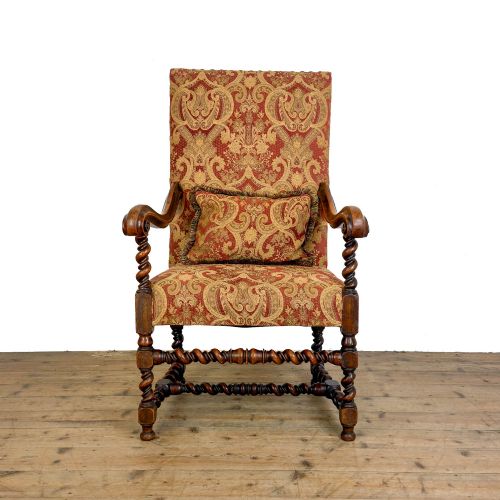

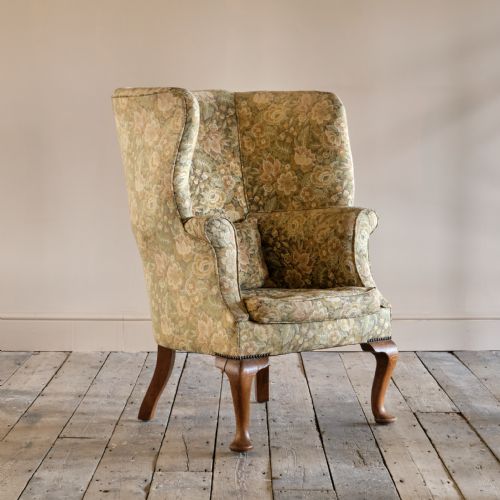

High Back Tapestry Chair
A high back tapestry chair brings rich texture and upright support into a room, offering both historic character and a strong visual anchor.
High Back Tapestry Chair
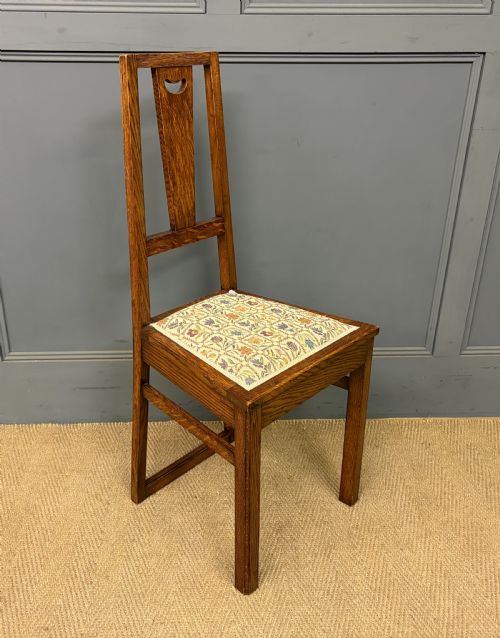
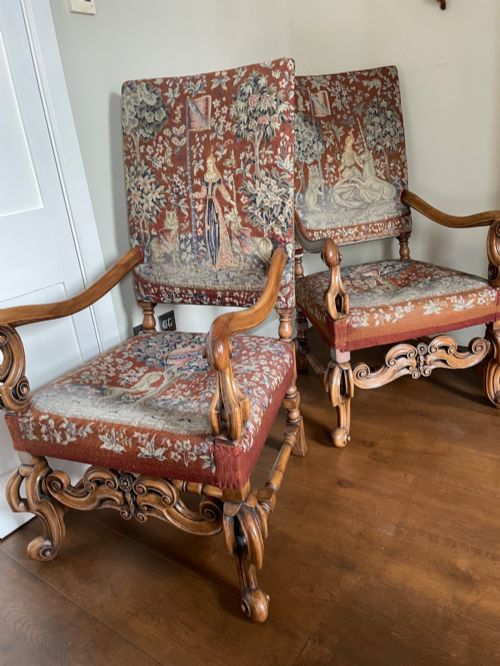
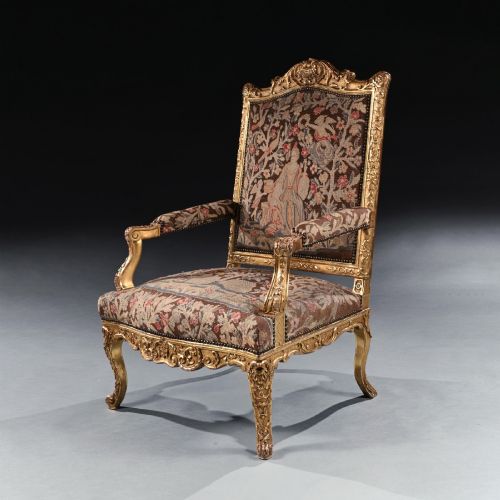
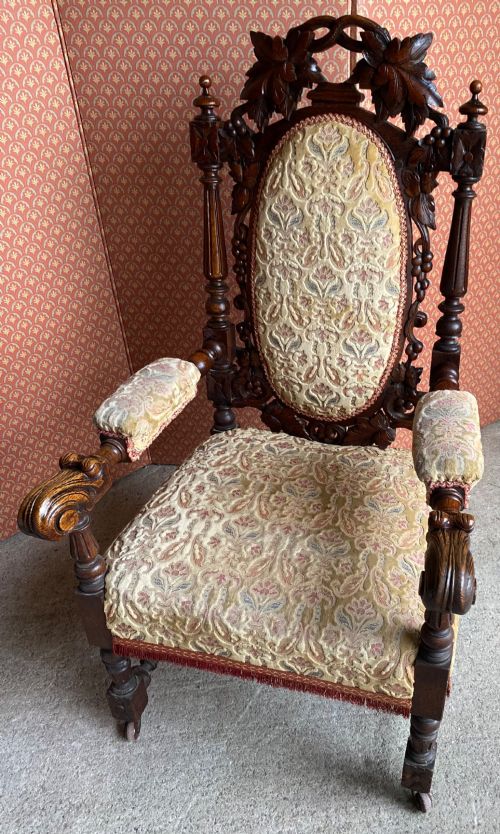
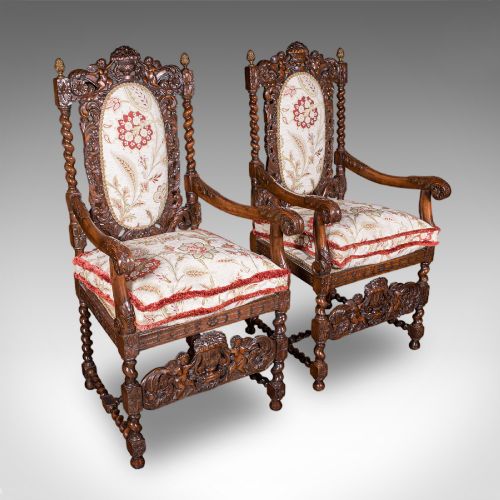
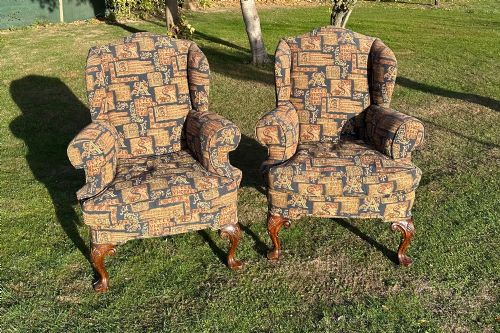
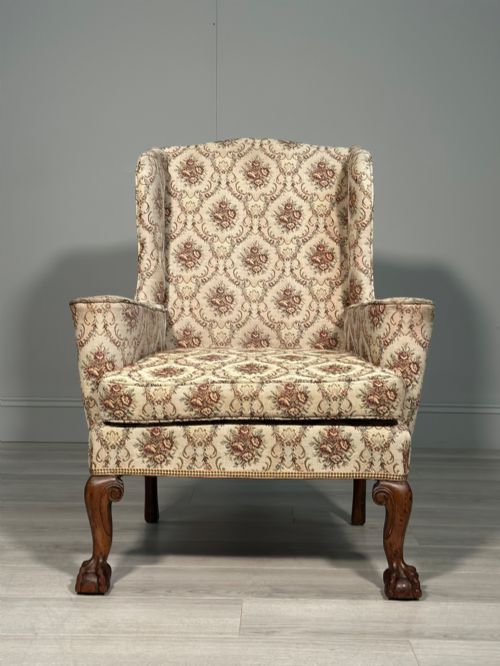
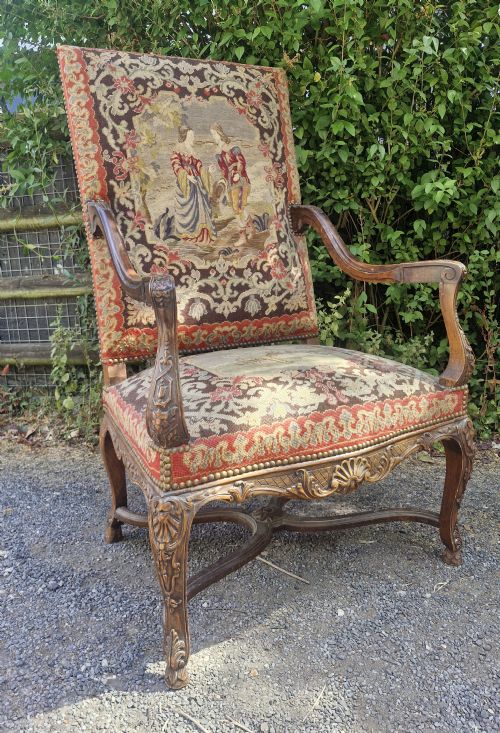
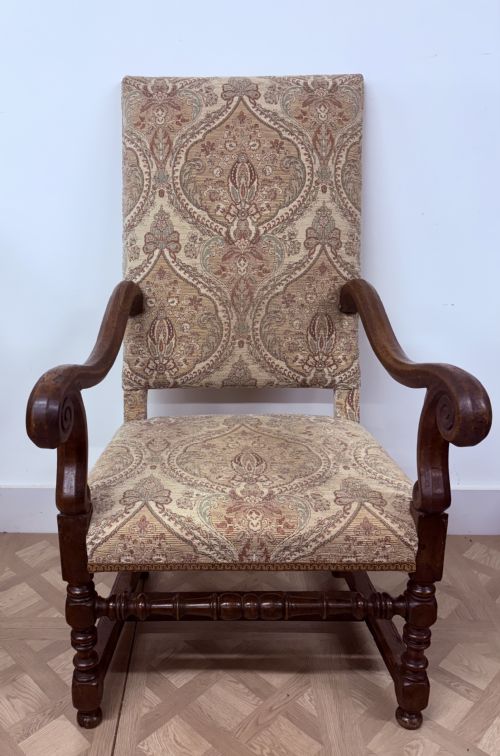
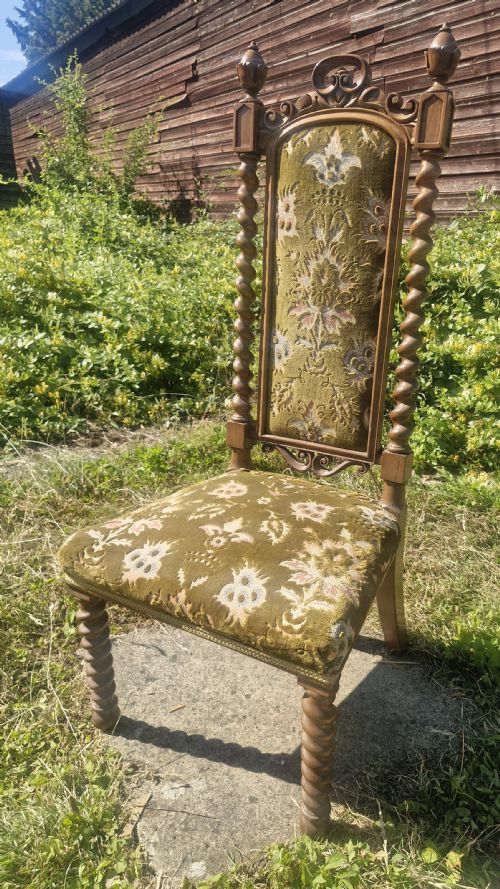
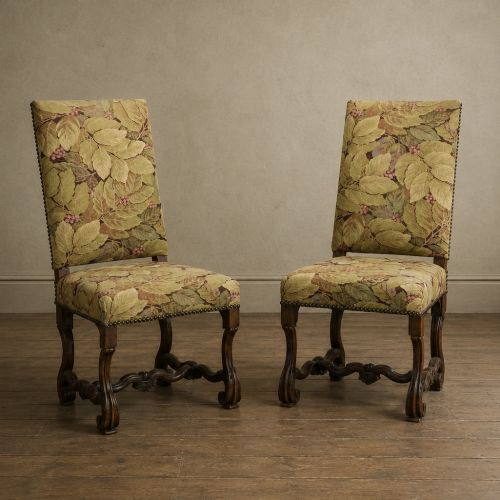
A high back tapestry chair is a stately seating form designed to provide substantial back support while displaying decorative textile work. When you search for this phrase, you encounter pieces that span centuries of craftsmanship, ranging from walnut elbow chairs to large upholstered armchairs.
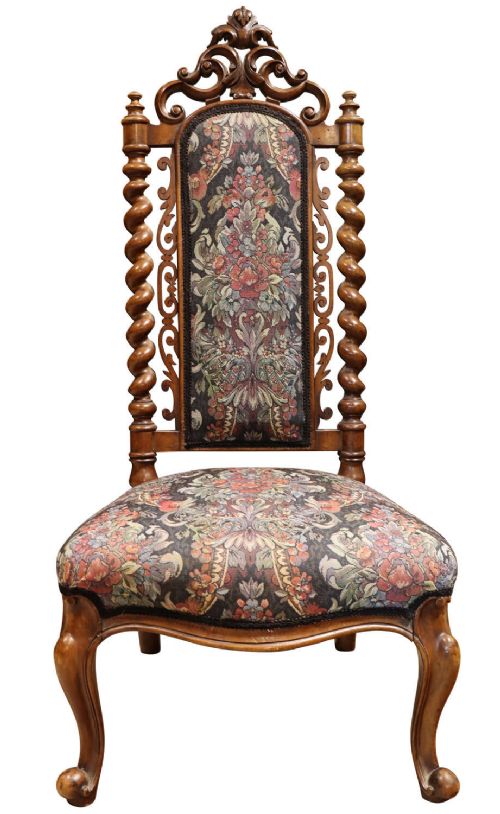
The versions you are most likely to meet on this page date predominantly from the nineteenth and early twentieth centuries, drawing heavily on earlier revival styles like Jacobean, Queen Anne and Gothic. These later interpretations often utilise walnut, oak or mahogany frames paired with hand-stitched needlework or tapestry covers.
How they were made
Makers constructed the timber frames of these chairs using durable hardwoods such as walnut, oak, mahogany and rosewood, frequently employing carved details like scrolling arms and claw and ball feet. Joinery techniques relied on mortise and tenon methods to ensure the tall frames could withstand regular leaning and support.
The upholstery combined traditional stuffing materials with durable tapestry fabric or needlework, secured to the frame with brass tacks or webbing. Feather filling occasionally provided softer seat cushioning in specific armchair variants.
High Back Tapestry Chair Retail Price Guide 2026
Typical asking prices for high back tapestry chair among the pieces listed under this phrase on Sellingantiques today, from the lower quarter to the upper quarter. They describe what is for sale here now, not the wider market.
Several chairs include devotional prie-dieu designs made specifically for kneeling during prayer.
What varies in quality
The distinction between ordinary and exceptional examples rests upon the crispness of the timber carving and the complexity of the wood selection. Finely figured walnut or richly carved oak frames demonstrate a higher grade of workshop execution than plain stained timbers.
Another measure of quality lies in the execution and preservation of the textile cover. Hand-stitched needlework and dense tapestry panels that retain their original colour intensity elevate a chair above standard production pieces.
R Whytock of Edinburgh·Liberty and Co·William Morris
The High Back Tapestry Chair Glossary
- Tapestry
- A heavy textile woven with decorative designs, frequently utilised for upholstery on antique seating to provide both colour and texture. It distinguishes many formal historic armchairs.
- Needlework
- Hand-stitched embroidery using yarn on a canvas ground, often seen on the backs and seats of Victorian and Edwardian chairs. It allows for intricate pictorial or geometric patterns.
- Wingback
- An armchair featuring protective side panels or wings attached to the back, designed to shield the sitter from draughts. This form appears frequently in walnut and upholstered variants.
High Back Tapestry Chair: Frequently Asked Questions
How do I care for antique tapestry upholstery?
Protect the textile surface from direct sunlight to prevent the coloured wools and threads from fading over time. Gentle vacuuming through a mesh screen helps remove dust without pulling the historic fibres.
Avoid applying liquid cleaners directly to the fabric, as moisture can damage the underlying stuffing and weaken fragile historic stitching. Professional textile conservation is recommended for deep cleaning.
Where should I place a high back tapestry chair?
These tall seating pieces suit positions against large walls or in corners where their substantial vertical frames can be appreciated without dominating a room's circulation. They also function well as reading chairs in libraries or studies.
Ensure the space allows adequate room to view the carved woodwork and textile panels fully. Placing them away from direct heat sources protects both the timber and the fabric from drying out.
Are these chairs comfortable for daily use?
Many examples offer firm, upright support due to their tall backs and traditional sprung or stuffed seats. Some armchairs feature feather-filled cushions that provide a softer seating experience.
Because seat heights and depths vary across different centuries, testing the proportions ensures the chair suits your preferred sitting posture.
How can I tell the period of a chair?
Examine the timber species, framing construction and carving style to determine the likely era of manufacture. Victorian and Edwardian pieces often revive earlier seventeenth- or eighteenth-century aesthetics, such as Jacobean or Queen Anne forms, but utilise nineteenth-century joinery methods.
Look closely at the underside and interior framing for tool marks, screw types and wear patterns that indicate age. Comparing the textile work alongside the frame helps confirm whether the upholstery is original or a later replacement.