







Heriz Style Runner
A heriz style runner brings bold geometric motifs and rich wool pile to narrow spaces, offering the character of Northwest Persian weaving.
Heriz Style Runner
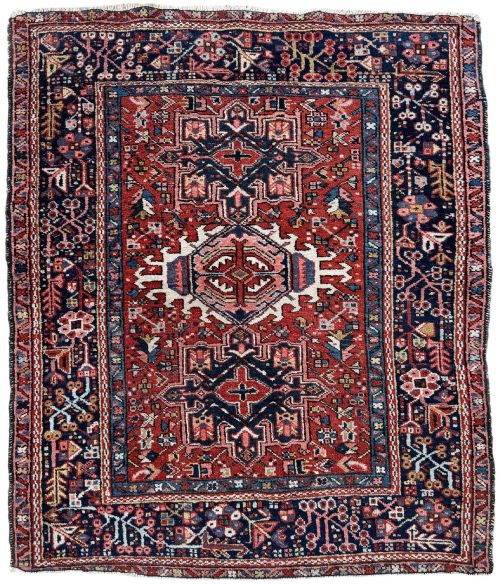
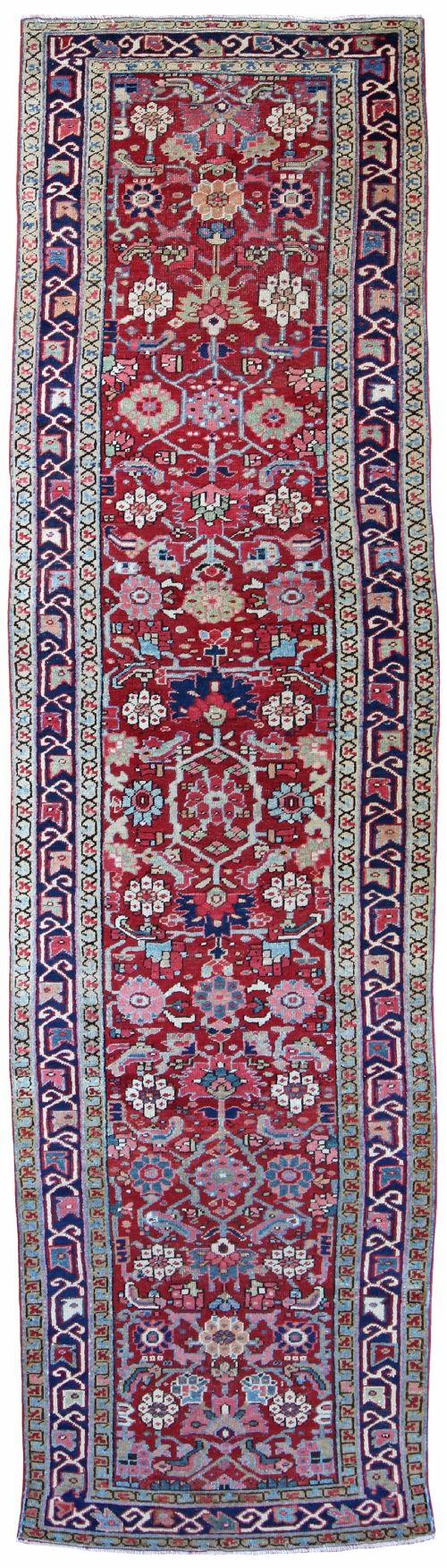
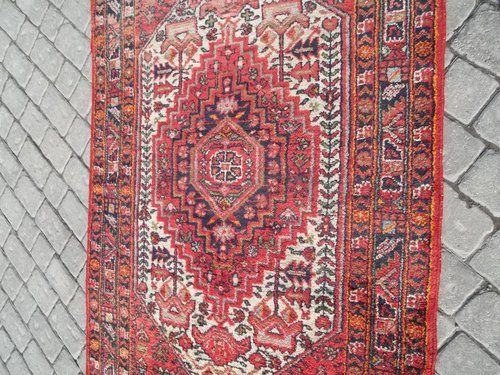
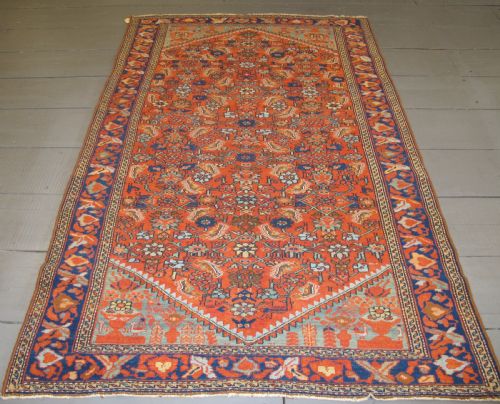
A heriz style runner displays the rectilinear designs and large-scale medallions characteristic of the Heriz region in Northwest Persia. These narrow floor coverings appear across periods ranging from the late nineteenth century into the twentieth century, alongside related regional forms such as Gorevan, Karaja, Karadja, Bakshiash, and Sarab.
The format is suited for long hallways, corridors, and transitional spaces where a traditional Persian rug shape is impractical. Buyers looking at this page encounter varying lengths, from shorter hallway pieces exceeding four metres, woven with hand-knotted techniques on traditional foundations.
Materials and Construction
These runners are constructed with wool pile knotted onto cotton foundations, utilising durable natural materials sourced regionally. The dense pile provides resilience under foot traffic while maintaining the crisp outlines demanded by geometric Persian tribal designs.
Dye methods and spinning techniques produce the varied coloration seen across the inventory, ranging from deep saturated hues to softer country house palettes. The physical structure relies on traditional hand-knotting traditions passed down through generations of weavers in Persian workshops and villages.
Heriz Style Runner Retail Price Guide 2026
Typical asking prices for heriz style runner among the pieces listed under this phrase on Sellingantiques today, from the lower quarter to the upper quarter. They describe what is for sale here now, not the wider market.
Geographic origins represented across the inventory include Heriz, Gorevan, Karaja, Bakshiash, and Sarab.
Judging Quality and Execution
Quality in a heriz style runner rests on the precision of the geometric drawing and the balance of the central medallion against the field. Finer execution shows clarity in the rectilinear motifs and harmonious distribution of colour across the wool pile.
The integrity of the foundation and the consistency of the knotting determine the durability and handling of the piece. Superior examples maintain structural soundness alongside vibrant, well-preserved natural dyes that hold their character over decades of use.
The Heriz Style Runner Glossary
- Heriz
- A region in Northwest Persia known for distinctive geometric rugs and runners featuring bold central medallions and robust wool construction.
- Runner
- A long, narrow carpet format traditionally utilised in hallways, corridors, and staircases.
- Gorevan
- A village near Heriz producing woven pieces with slightly more open designs and similar geometric styling.
- Karaja
- A style of rug and runner originating from the Heriz district, frequently characterised by geometric medallion repeats.
- Bakshiash
- An adjacent weaving area known for softer palettes and whimsical, large-scale interpretations of classic Heriz designs.
Heriz Style Runner: Frequently Asked Questions
Where should I put a heriz style runner?
These narrow formats suit long hallways, entryways, and corridors where traditional rectangular rugs do not fit. Their sturdy wool construction handles regular foot traffic while adding traditional Persian character to transitional spaces.
Ensure you measure your hallway carefully, leaving a uniform border of exposed flooring around the edges. A quality underlay helps keep the piece flat and protects the cotton foundation from premature wear.
How do I clean a wool runner?
Vacuum your wool runner gently with a suction-only attachment, avoiding rotating brush bars that can pull at the hand-knotted pile. Professional cleaning is recommended for deep maintenance to protect the natural dyes and fibres.
Address spills immediately by blotting gently with a clean, dry cloth rather than rubbing. Keep the runner away from direct, continuous sunlight to prevent fading over time.
How do I tell Heriz and Karaja runners apart?
Heriz runners typically feature large, dominant central medallions with bold rectilinear corners, while Karaja pieces often employ repeating geometric motifs or multiple smaller medallions down the field. Both originate from the same broader Northwest Persian weaving district.
Examining the scale of the pattern and the density of the knotting helps distinguish between village workshops and specific regional traditions. Comparing the borders and secondary motifs provides further clues to their exact origin.
What is a Gorevan runner?
A Gorevan is a type of carpet from the Heriz region featuring slightly more open geometric designs and a less dense knot count than fine city pieces. These runners offer the same bold colour palettes and robust wool construction associated with traditional Northwest Persian weaving.
They date from similar nineteenth and early twentieth-century periods and serve the same practical function in hallways. Collectors value them for their relaxed village charm and distinctive rustic appeal.