





Heritage Portrait Art
Heritage portrait art captures centuries of faces, rendered in oils, watercolours and engravings across periods from the seventeenth century to the twentieth.
Heritage Portrait Art
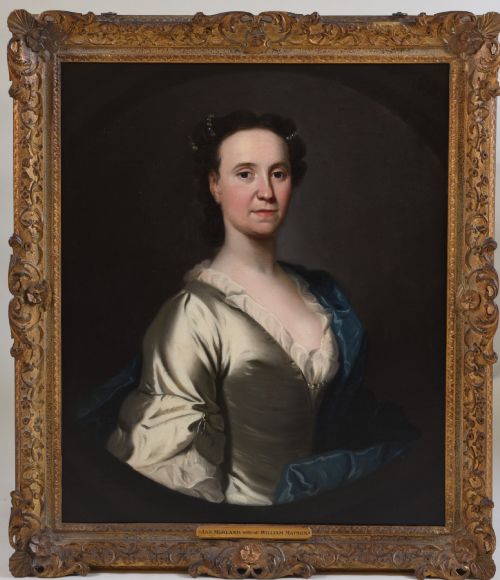
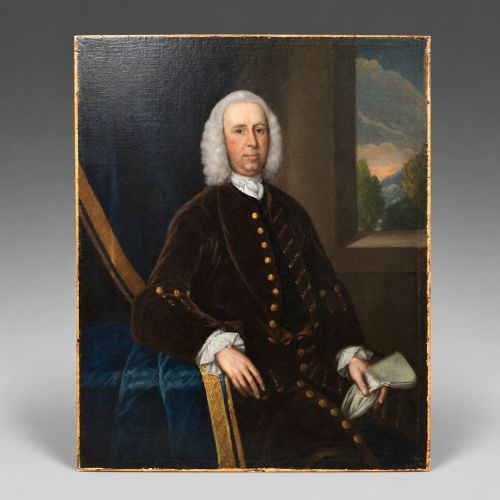
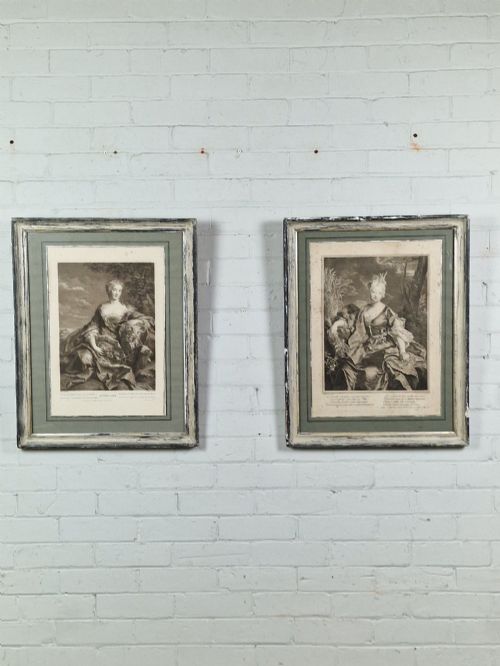
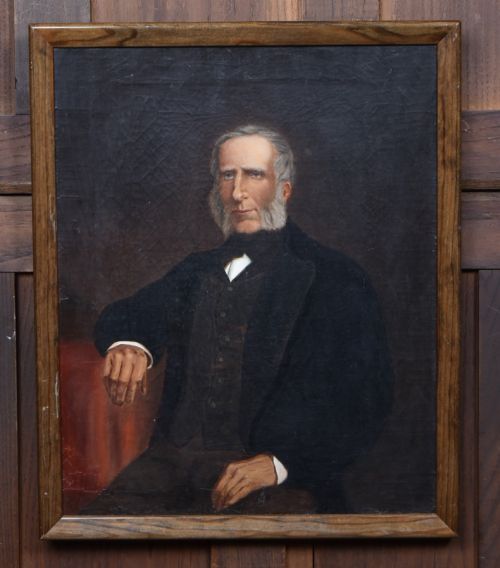
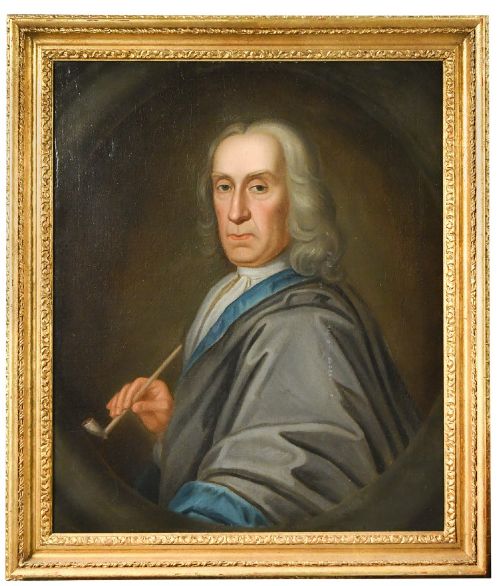
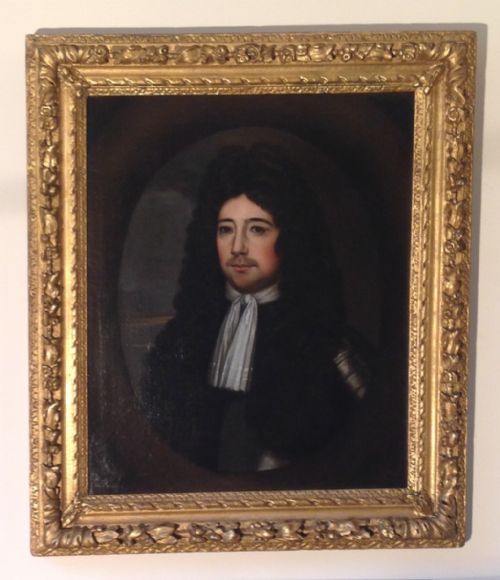
Heritage portrait art brings together historic likenesses of gentlemen, nobility and families spanning several centuries of British and European visual culture. When searching for heritage portrait art, collectors encounter a diverse range of works, from seventeenth-century oil paintings on canvas to nineteenth-century watercolours and eighteenth-century engravings.
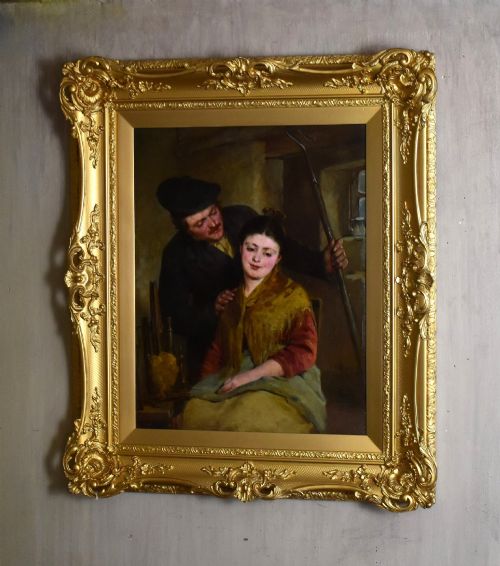
The selection on this page relies heavily on oil paintings, accompanied by prints and engravings alongside delicate watercolour paintings. These depictions range from formal aristocratic commissions to intimate family sketches.
Subjects appear in various contexts, including military uniforms, traditional dress and everyday domestic settings. The periods represented stretch from the Jacobean era through the Georgian and Victorian epochs up to the mid-twentieth century.
What varies in quality
The skill of the brushwork and the precision in capturing facial expression and anatomy dictate the distinction between standard works and master creations. Finer paintings demonstrate a sophisticated handling of light upon textiles, such as lace ruffs or embroidered doublets.
The integrity of the original canvas, the stability of the pigment layers and the preservation of the backing frame influence the overall standard of the piece. Surviving examples retaining their original gilded surrounds command greater attention from serious collectors.
Heritage Portrait Art Retail Price Guide 2026
Typical asking prices for heritage portrait art among the pieces listed under this phrase on Sellingantiques today, from the lower quarter to the upper quarter. They describe what is for sale here now, not the wider market.
Listings feature works executed in oil on canvas, watercolour and engraved paper, housed within traditional wood, gesso and giltwood frames.
Howard Helmick·John Opie RA·Carl Adolf Mende·Frank Moss Bennett·Frederick Tayler·John Laviers Wheatley
The Heritage Portrait Art Glossary
- Oil on Canvas
- A traditional painting medium where pigments suspended in drying oils are applied to stretched fabric. This technique allows for deep blending of tones and rich texture.
- Giltwood
- Wood carved and coated with gold leaf or gold paint. It provides an ornate, reflective border typical of historic picture frames.
- Gesso
- A plaster-like mixture applied to wood frames or canvas surfaces to prepare them for gilding or painting. It creates a smooth base for intricate carved details.
- Engraving
- A printmaking method where an image is incised into a metal plate, which then holds ink for transfer to paper under pressure. This process produces sharp, enduring lines.
- Doublet
- A snug-fitting men's jacket worn during the sixteenth and seventeenth centuries, frequently seen in early portraiture with elaborate embroidery.
Heritage Portrait Art: Frequently Asked Questions
How do I care for antique oil portraits?
Keep painted canvases away from direct sunlight and fluctuating humidity to prevent the drying paint from cracking or warping. Dust the surface gently with a soft, dry brush without applying pressure.
Avoid using liquid cleaners or chemical solvents on the canvas or the giltwood frame. Professional conservationists should handle any deeper restoration or cleaning work.
Can I determine the subject's identity?
Many portraits include inscriptions, coats of arms or archival notes on the reverse of the canvas identifying the sitter. Researching the artist and the period often reveals historical context for the subject.
Some works depict anonymous sitters or family members whose names have been lost over time. Costume details and heraldic symbols remain valuable clues for identification.
What framing is appropriate for these works?
Historic portraits typically suit frames contemporary to their creation, such as ornate giltwood or simple wooden moulding. Matching the period style enhances the visual impact of the artwork.
Ensure the internal mount allows the canvas to breathe and avoids compressing the edges. Proper backing boards protect the reverse of the painting from dust and environmental damage.
How are different art periods distinguished?
Seventeenth-century works often feature rigid poses, dark embroidered doublets and stiff ruffs against sombre backgrounds. Georgian and Victorian portraits introduce softer lighting, romantic realism and varied clothing styles.
Twentieth-century pieces show shifts toward looser brushwork and modern uniform designs. Examining the canvas weave, stretcher construction and framing materials helps confirm the era.