



Heritage Oil Portrait
A heritage oil portrait brings centuries of character into a room through oil paint on canvas.
Heritage Oil Portrait
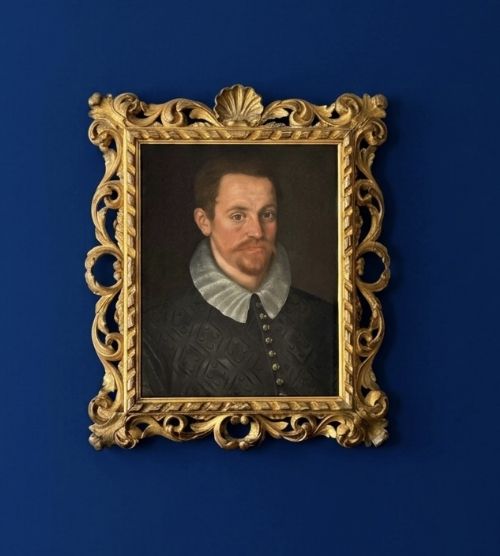
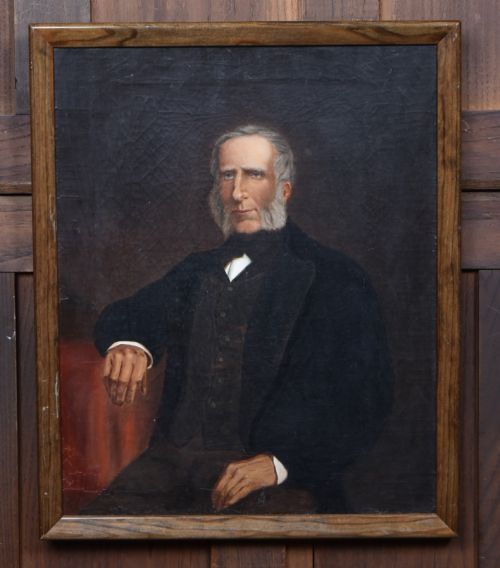
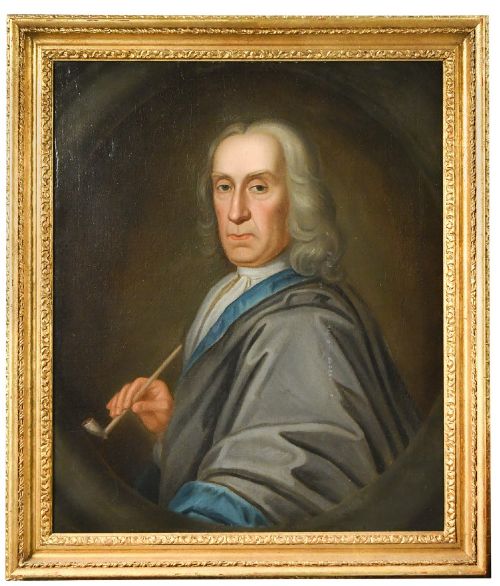
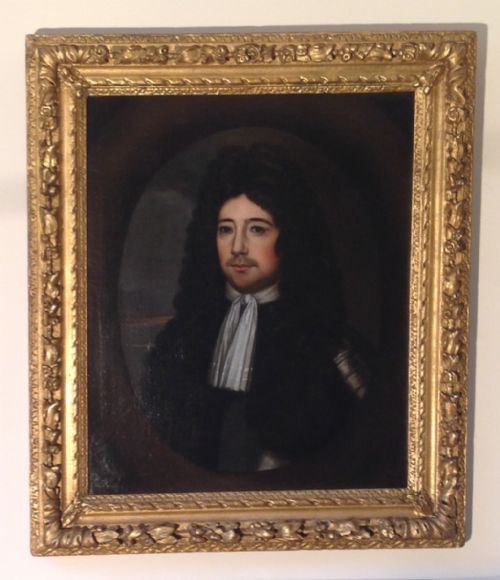
A heritage oil portrait captures an individual likeness using oil paint on canvas, spanning from the seventeenth century through to the mid-twentieth century. These works frequently depict gentlemen, nobles, and family members dressed in the attire of their respective periods.
The selections available here range from early English school pieces with dark embroidered doublets and white ruffs to mid-century royal likenesses in naval uniform. Collectors encounter various regional British and Irish examples alongside continental European works.
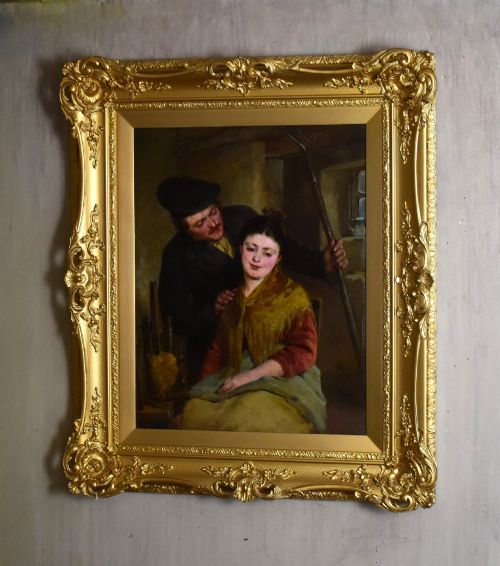
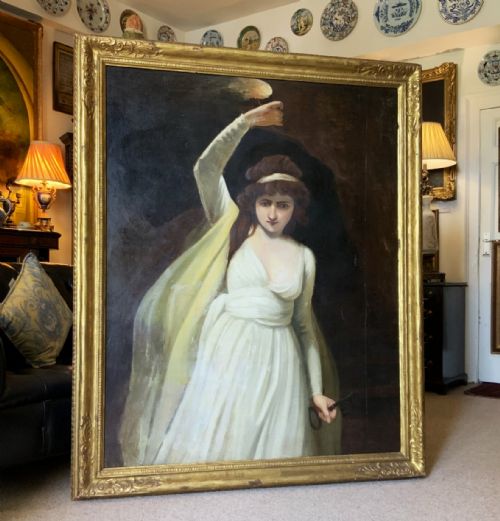
Georgian and nineteenth-century canvases sit alongside seventeenth-century studies and twentieth-century revivals. Each painting preserves the likeness of historical figures using traditional oil techniques.
How they were made
These portraits rely primarily on oil paint applied to stretched canvas or wooden panels. Artists layered pigments to build depth in skin tones and garments.
Many historical frames utilise carved wood enhanced with gesso and gold leaf or giltwood finishes. These surrounds complement the deep pigments of the oil paintings.
Keep an eye out for eighteenth-century gentlemen caught mid-smoke holding their trusty pipes.
What varies in quality
The fidelity of facial expression and the handling of fabric textures set finer portraits apart from simpler workshop pieces. Master painters captured light in the eyes and subtle folds in textiles with greater conviction.
The preservation of the original canvas and the integrity of the underlying oil paint influence the character of the piece. Period frames finished in genuine gold leaf also contribute to the overall substance of the work.
Howard Helmick·John Opie·Carl Adolf Mende·Frank Moss Bennett·John Laviers Wheatley
The Heritage Oil Portrait Glossary
- Oil on canvas
- A traditional painting medium where coloured pigments are suspended in drying oils and applied to a woven fabric support. This combination allows for rich blending and lasting durability.
- Giltwood
- Wood that has been carved and coated with a thin layer of gold leaf or gold paint. This material frequently frames historical portraits.
- Gesso
- A white paint mixture consisting of a binder mixed with chalk, gypsum, or pigment. It serves as a smooth preparation base for wooden panels and frames before gilding.
- English School
- A term used to describe works produced by artists working in England or within the British artistic tradition. It often denotes anonymous makers of a particular era.
Heritage Oil Portrait: Frequently Asked Questions
How do I date an old oil portrait?
Examinations of clothing styles, ruffs, doublets, and hairstyles offer the clearest initial guide to the period of creation. Costume changes reliably indicate whether a canvas belongs to the seventeenth century, the Georgian era, or later decades.
Canvas construction, stretcher types, and pigments also provide physical evidence. In many cases, inscriptions or attribution notes on the reverse help confirm the sitter or the artist.
Where should I hang a heritage portrait?
These works suit traditional reception rooms, libraries, and hallways where traditional lighting highlights the oil pigments. Placing them away from direct sunlight protects the canvas and the painted surface from fading.
Pairing a historic canvas with appropriate period furniture enhances the character of the room. Wall spaces with stable temperature and humidity levels ensure the long-term preservation of both the painting and its frame.
What is the difference between a school work and a signed painting?
A work attributed to an English school or regional tradition was typically produced within a workshop environment without bearing an individual master signature. These pieces reflect the prevailing style of portraiture current during that century.
Signed portraits or pieces attributed to documented artists carry explicit authorship, which often links the canvas to specific exhibitions or documented collections. Both categories offer historical value depending on the quality of execution.
How do I care for an antique canvas?
Maintenance involves keeping the canvas in a dry environment with minimal fluctuation in humidity to prevent warping or cracking of the oil paint layer. Dusting should be done gently with a soft, dry brush without applying pressure to the fabric.
Professional conservators should handle any cleaning of the painted surface or repairs to the gesso and giltwood frame. Regular inspection of the rear of the canvas helps monitor the tension and condition of the support.