



Heraldic Coat of Arms Decor
Heraldic coat of arms decor pieces bring historical lineage and striking visual symbolism directly into domestic spaces.
Heraldic Coat of Arms Decor
Heraldic coat of arms decor encompasses wall plaques, decorative panels, shields, and framed armorial art created across the nineteenth and twentieth centuries. These objects display ancestral crests, family lineages, and royal emblems intended to project authority and heritage.
The pieces on this page draw from varied periods including the Georgian era, Victorian period, and early twentieth century. Common forms include carved hardwood shields, cast iron plaques, hand-painted wooden panels, and glazed pottery plates.
Buyers frequently encounter Victorian cast iron wall plaques and carved wooden armorial shields when searching for this aesthetic. Examples range from Dutch painted wood and Spanish panels to Scottish clan genealogies and British ministry bronze.
How they were made
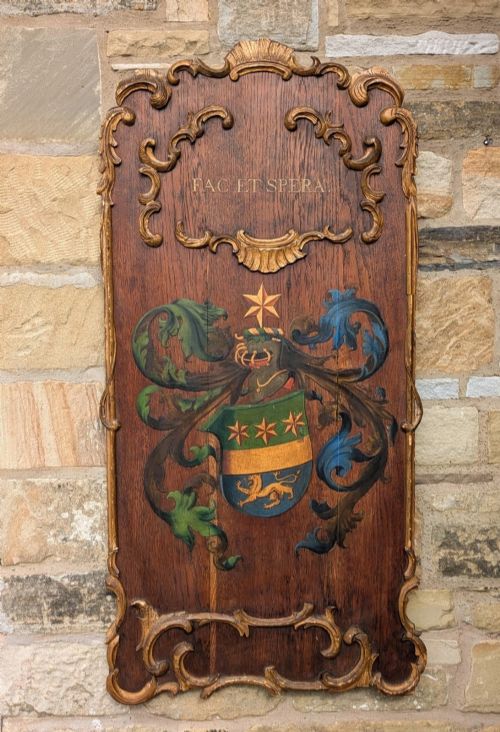
Makers utilised solid timbers such as oak and hardwood, carving them into shields and panel formats to support detailed heraldic imagery. Gesso and pigment were frequently applied to wood surfaces to build up relief work and deliver vibrant painted details.
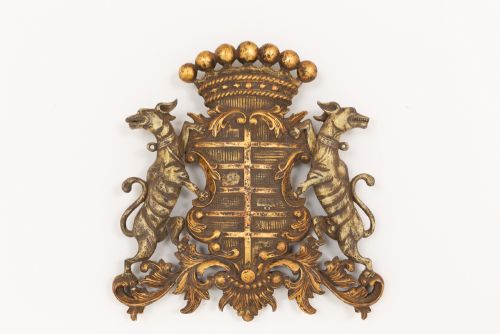
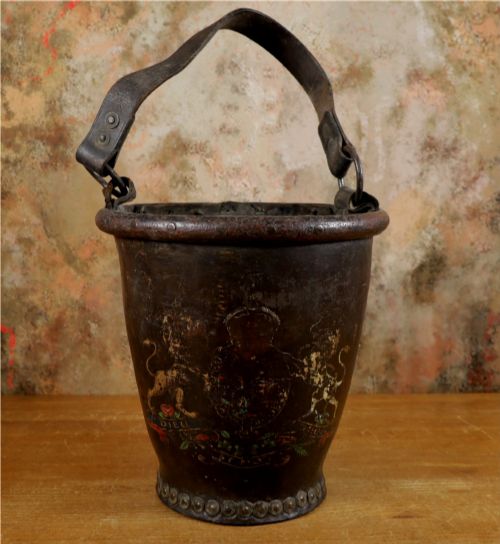
Metalworking techniques appear prominently through cast iron armorial plaques, heavy brass plates, and bronze castings. Leather construction also emerges in utilitarian forms like fire buckets, decorated with studded metalwork and painted crests.
Heraldic Coat of Arms Decor Retail Price Guide 2026
Typical asking prices for heraldic coat of arms decor among the pieces listed under this phrase on Sellingantiques today, from the lower quarter to the upper quarter. They describe what is for sale here now, not the wider market.
A sturdy leather fire bucket manages to wear a royal coat of arms and a lion and unicorn with undeniable dignity.
What varies in quality
Quality rests upon the crispness of the carving and the precision of the hand-painted heraldic tinctures. Finer examples display meticulous linework in the mottoes and charges, whereas simpler items rely on heavier, less detailed casting.
The choice of materials shapes the character of each piece, from robust cast iron and bronze to delicate glazed pottery and aged hardwood. Survival of original pigment and surface finish largely determines the visual impact of an armorial plaque.
Nanninga Uitterdyke·Icilio Federico Joni
The Heraldic Coat of Arms Decor Glossary
- Armorial
- Relating to heraldry or bearing a coat of arms. This term describes items decorated with family crests and heraldic symbols.
- Gesso
- A plaster mixture used as a base for painting or relief work on wood. It allows carvers to create sharp details before applying pigments.
- Tincture
- The traditional colours used in heraldry, divided into metals, colours, and furs. Pigments preserve these specific hues on painted panels.
- Crest
- The component of a heraldic display positioned on top of the helmet in a full achievement. It often appears independently on wall shields.
- Motto
- A sentence or phrase expressing a family or institutional aspiration. These inscriptions frequently accompany the coat of arms on plaques.
Heraldic Coat of Arms Decor: Frequently Asked Questions
What is heraldic decor?
Heraldic decor encompasses items displaying coats of arms, crests, and armorial bearings used for display.
These pieces range from carved wooden shields to cast iron wall plaques and painted panels.
How were armorial plaques used?
Armorial plaques were traditionally mounted on interior walls to denote lineage, family allegiance, or institutional authority.
Some items, such as leather fire buckets, served practical functions while bearing protective coats of arms.
What materials are common?
Common materials include carved oak, hardwood, cast iron, bronze, brass, and glazed pottery.
Pigment and gesso frequently finish the wooden shields and panels to highlight the painted crests.
How do I date these pieces?
Dating relies on material characteristics, production techniques, and stylistic markers associated with periods like the Georgian era or Victorian times.
Inscribed dates, specific family genealogies, and maker signatures also help establish the chronology.